

Owning a Ford in Florida means dealing with a unique insurance environment. The state's no-fault system, hurricane exposure, and dense urban corridors all shape what you'll pay and what you need. Whether you're driving a Maverick through Tampa's stop-and-go traffic or hauling a boat with your F-150 on weekends, your policy needs to reflect both your vehicle and where you live. The good news: Florida's
auto insurance market is shifting in favor of drivers right now. The state's top five insurance groups, covering roughly 78% of the market, are
indicating an average rate decrease of 8% for 2026. That's a meaningful dip after years of increases. Average premiums in the state
fell 19% in the first quarter of this year, giving Ford owners a real opportunity to lock in better rates. But a lower price only matters if you're carrying the right coverage. Getting that balance right starts with understanding what Florida actually requires.
Understanding Florida Insurance Requirements for Ford Owners
Florida's insurance rules differ from most states, and misunderstanding them can leave you exposed. The state mandates two specific types of coverage, but neither one is traditional bodily injury liability, which catches many new residents off guard.
Minimum Liability and PIP Limits
Florida requires every registered vehicle to carry $10,000 in Personal Injury Protection (PIP) and $10,000 in Property Damage Liability (PDL). That's it for the legal minimum. You don't need bodily injury liability to register your Ford, though skipping it is a serious financial risk. If you cause an accident and someone is injured, you're personally responsible for their medical bills, lost wages, and legal costs beyond what PIP covers. For a Ford F-150 or Expedition, which can cause significant damage in a collision due to their weight, carrying only the state minimum is a gamble most agents would advise against.
A common recommendation is to carry at least 100/300/100 in bodily injury and property damage liability. That means $100,000 per person, $300,000 per accident for bodily injury, and $100,000 for property damage. It costs more than the minimum, but it creates a real buffer between you and a lawsuit.
Florida's No-Fault System Explained
Under Florida's no-fault framework, your own PIP coverage pays for your medical expenses and a portion of lost wages after an accident, regardless of who caused it. PIP covers 80% of medical costs and 60% of lost wages, up to that $10,000 limit. The catch is that $10,000 doesn't go far. A single ER visit after a rear-end collision can exhaust that amount, and you'll need to seek treatment within 14 days of the accident or risk losing PIP benefits entirely.
If injuries meet the "serious injury" threshold, meaning permanent injury, significant scarring, or death, the injured party can step outside the no-fault system and file a lawsuit against the at-fault driver. That's exactly where bodily injury liability becomes critical. Without it, your personal assets are on the line.
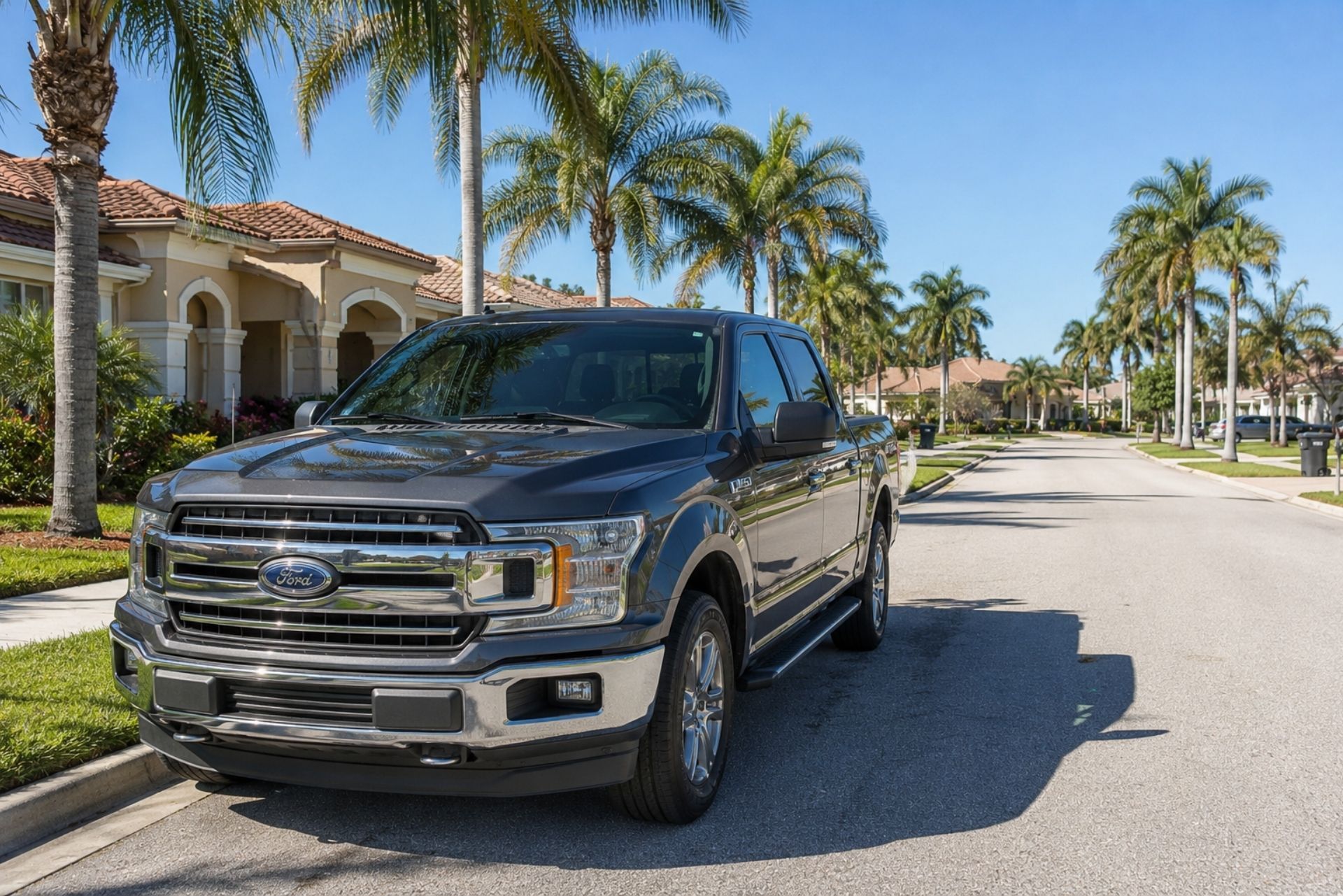

Beyond the state-mandated minimums, you have several optional coverages that fill important gaps, especially for newer or financed Ford vehicles.
Comparing Basic vs. Comprehensive Protection
Here's a side-by-side look at what basic and comprehensive protection typically includes:
| Coverage Type | Basic (State Minimum) | Comprehensive Protection |
|---|---|---|
| PIP | $10,000 | $10,000 |
| Property Damage Liability | $10,000 | $100,000 |
| Bodily Injury Liability | Not required | $100,000 / $300,000 |
| Collision | Not included | Included (deductible applies) |
| Comprehensive | Not included | Included (covers theft, weather, animals) |
| Uninsured Motorist | Not included | Included |
| Rental Reimbursement | Not included | Often included |
For Ford owners in Florida, comprehensive coverage is particularly relevant. Hurricanes, flooding, and hail can total a vehicle in a single storm. Collision coverage handles damage from accidents, while comprehensive covers nearly everything else: falling trees, theft, vandalism, and animal strikes. Florida has one of the highest uninsured motorist rates in the country, so uninsured/underinsured motorist coverage is another smart addition.
Gap Insurance for New F-150s and SUVs
If you've financed or leased a new Ford, gap insurance deserves serious consideration. New vehicles depreciate quickly, and trucks like the F-150 or SUVs like the Explorer can lose thousands in value within the first year. Gap insurance covers the difference between what your vehicle is worth and what you still owe on your loan if the truck is totaled.
The Ford Maverick, for example, has average annual insurance costs around $1,800 to $2,200 depending on your profile. If you owe $35,000 on a Maverick but its actual cash value at the time of a total loss is $28,000, gap insurance covers that $7,000 shortfall. Most lenders require collision and comprehensive coverage anyway, so adding gap coverage is a relatively small incremental cost.
Factors Influencing Your Ford Insurance Rates
Your premium isn't just about the car. It's shaped by a combination of vehicle-specific traits, your driving record, and where you park at night.
Safety Features and Driver Assist Technology
Ford's Co-Pilot360 suite, standard on many 2024-2026 models, includes pre-collision assist with automatic emergency braking, blind spot monitoring, lane-keeping assist, and a rear-view camera. These features reduce accident frequency and severity, and insurers take notice. Vehicles with advanced driver-assist systems often qualify for discounts because they're statistically less likely to be involved in certain types of crashes.
That said, there's a flip side. Vehicles loaded with sensors and cameras cost more to repair after a collision. A cracked bumper on a new Escape isn't just a body panel replacement anymore; it may involve recalibrating radar sensors and cameras, which can add $1,000 or more to the repair bill. The Ford Escape's insurance costs reflect this complexity, with repair expenses influencing premiums alongside safety ratings.
Impact of Geographic Location in Florida
Where you live in Florida matters as much as what you drive. Miami-Dade, Broward, and Hillsborough counties consistently rank among the most expensive areas for auto insurance due to higher accident rates, more uninsured drivers, and greater fraud activity. A Ford F-150 owner in Jacksonville might pay 20-30% less than someone with the same truck and driving record in Miami.
Flood zones also play a role. If your vehicle is garaged in a FEMA-designated flood zone, comprehensive coverage premiums will reflect that risk. The
Florida insurance market in 2026 is seeing some relief, but geographic disparities remain significant. Moving even one county over can sometimes shift your rate by hundreds of dollars annually.
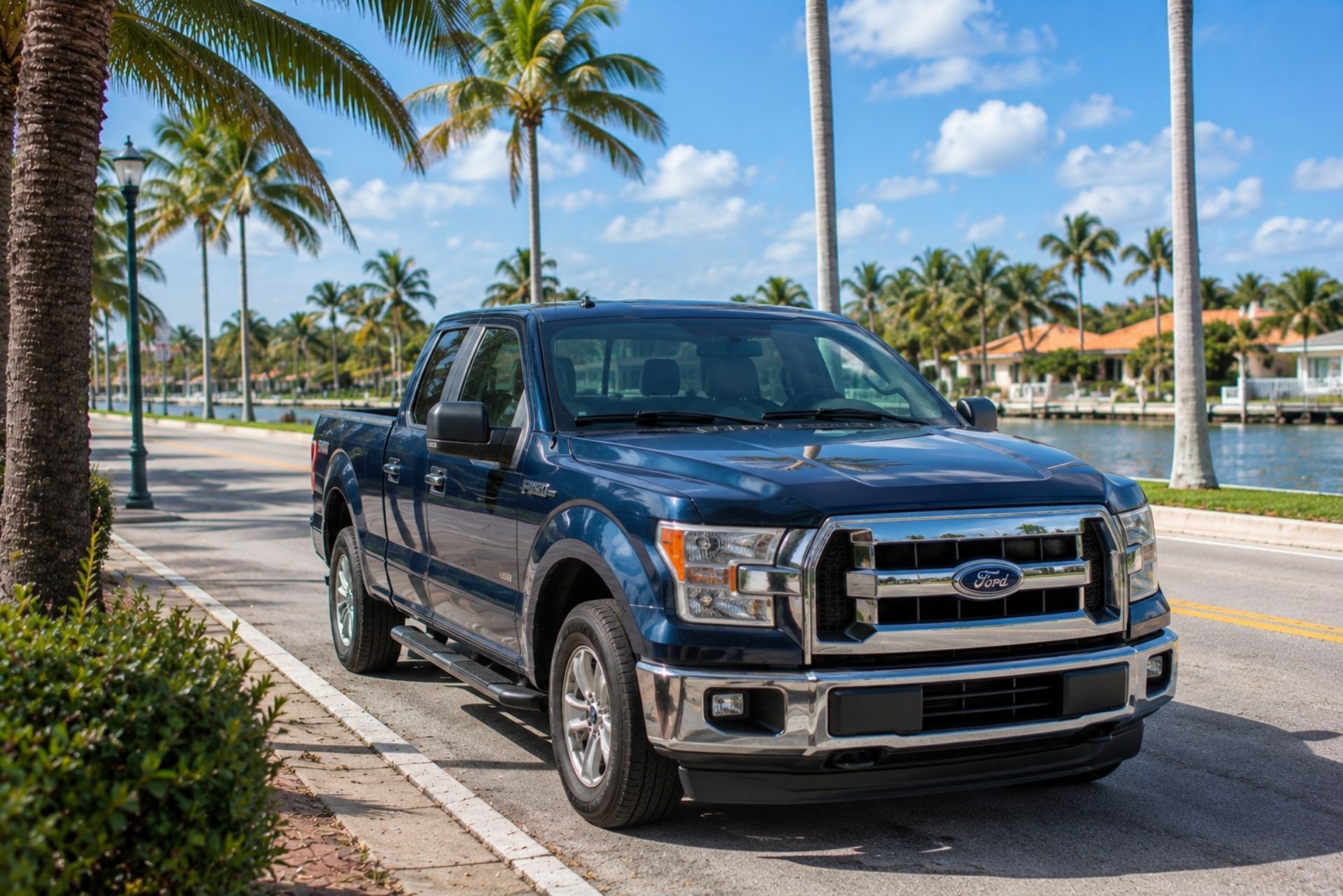
Even in a state with historically high premiums, there are concrete steps you can take to reduce what you pay without sacrificing coverage quality.
Bundling and Multi-Vehicle Discounts
If you own a home or rent in Florida, bundling your auto and property insurance with the same carrier often yields discounts of 10-25%. Multi-vehicle discounts are another opportunity, especially common for families with two or more Fords on the same policy. Insuring an F-150 and an Escape together, for instance, typically costs less per vehicle than insuring each separately.
One thing to keep in mind: bundling only saves money if the combined price is actually lower than shopping each policy independently. Get quotes from at least four to six different carriers using identical coverage levels before committing. An independent insurance agent can run these comparisons quickly because they represent multiple companies rather than a single brand.
Telematics and Safe Driver Programs
Several major carriers offer usage-based insurance programs that track your driving habits through a mobile app or plug-in device. Progressive's Snapshot monitors hard braking, time of day, and mileage. State Farm's Drive Safe & Save uses similar metrics. These programs can reduce your premium by 10-30% if your driving data is favorable.
The trade-off is privacy. These programs collect data on your speed, braking patterns, cornering, phone use, and when you drive. If you're comfortable sharing that information and you drive conservatively, telematics programs are one of the most effective ways to lower your rate. For Ford owners who primarily use their vehicles for short commutes or weekend errands, low-mileage discounts through these programs can be substantial. Comparing insurance costs across Ford models shows that driver behavior often matters more than the specific model you own.
Frequently Asked Questions
How much does it cost to insure a Ford F-150 in Florida?
Annual premiums for a Ford F-150 in Florida typically range from $1,900 to $3,200 for full coverage, depending on your age, driving record, location, and chosen deductibles. Drivers in South Florida generally pay at the higher end of that range. Costs vary significantly by model year and trim, with newer trucks carrying higher premiums due to replacement value.
Does my Ford's Co-Pilot360 lower my insurance rate?
It can. Many insurers offer discounts for vehicles equipped with advanced driver-assist features like automatic emergency braking and blind spot monitoring. The discount typically ranges from 5-15%, though it varies by carrier. Ask your agent specifically about safety technology credits when getting quotes.
What happens if I drive my Ford without PIP coverage?
Driving without PIP in Florida can result in a suspended registration. If your coverage lapses, you may face reinstatement fees and be required to carry PIP for up to three years without any lapse. The financial penalties compound quickly, and you'll have no medical coverage if you're injured in an accident during the gap.
Is insurance higher for a Mustang than an Explorer?
Generally, yes. The Mustang's higher horsepower, sport classification, and theft rates push premiums above those of the Explorer. Mustang insurance costs reflect its performance profile, while the Explorer benefits from its family-vehicle classification and strong safety ratings. The difference can be $500-$1,000 or more annually for similar drivers.
Making the Right Choice for Your Vehicle
Finding the right auto insurance for your Ford in Florida comes down to three things: carrying enough coverage to protect your finances, understanding how your specific model and location affect your rate, and shopping aggressively for the best price.
Don't settle for the state minimum. Florida's no-fault system leaves significant gaps that only bodily injury liability, uninsured motorist coverage, and comprehensive protection can fill. If you're financing a newer Ford, gap insurance is a small cost that prevents a potentially devastating shortfall.
Take advantage of the current market conditions. With rates trending downward across Florida's largest insurers, 2026 is a strong year to re-shop your policy. Gather quotes from at least four to six carriers, ask about every available discount, and consider telematics if your driving habits support it. Your Ford is built to last, and the right insurance policy ensures you're protected for every mile ahead.
About The Author:
Evan Marcotte
As an Auto Insurance Specialist at 5-Star Insurance, I’m passionate about helping drivers get the protection they need with speed, clarity, and confidence. My goal is to make every policy simple to understand and every client fully supported — from quote to claim.
Menu Pop-Up
Real Reviews from Florida Drivers
At 5-Star Insurance, we help drivers across Florida get insured quickly and affordably even in challenging situations. Whether it’s handling SR-22 and FR-44 filings or finding the most budget-friendly policy, our clients count on us to make the process fast, simple, and stress-free. Here’s what some of them have shared

Coverage Tailored to Your Needs
We specialize in essential auto insurance products for Florida drivers:
Auto Insurance
Standard auto coverage for Florida drivers, including liability, comprehensive, and collision options.
Commercial Auto Insurance
Protection for vehicles used for business and commercial purposes.
Liability-Only Auto Insurance
Basic, affordable coverage meeting Florida’s minimum requirements.
SR-22 Insurance
Required filing for drivers needing to reinstate their license after violations.
Motorcycle Insurance
Affordable insurance for motorcycles, scooters, and similar vehicles.
Clear Answers to Your Auto Insurance Questions
At 5-Star Insurance, we make sure every driver understands their options. Whether you are dealing with a suspension, DUI, or just need affordable coverage, we are here to help you get back on the road with confidence.
Stay Informed with Our Latest Articles
Gain insights to make smarter decisions about your insurance coverage:
Check out Our Latest Videos
Quick clips to keep you up to date on SR22 and FR44 insights and news
Contact Us
