

Florida has surpassed 1,035,000 registered vessels in 2026, a 12% increase that reflects the state's deep connection to its waterways. With more boats on the water, collisions, storm damage, and liability claims are climbing in step. A solid understanding of Florida boat insurance, from hull coverage and liability limits to uninsured boater protection and watercraft-specific endorsements, isn't optional if you want to protect your investment. Whether you're running a center console through the Keys or docking a sailboat on Tampa Bay, the right policy keeps you financially afloat when things go wrong. This guide breaks down every coverage type, add-on, and pricing factor that Florida boaters should know before signing a policy. Skipping coverage or choosing the wrong tier can leave you exposed to tens of thousands of dollars in out-of-pocket costs after a single incident. The stakes are real, and the details matter.
Understanding Florida Boat Insurance Requirements
Florida stands out among boating states for one surprising reason: it doesn't require boat owners to carry insurance by law. That absence of a state mandate catches many first-time owners off guard, especially those who assume watercraft coverage works the same way auto insurance does. The lack of a legal requirement doesn't mean you can skip coverage entirely, though. Several practical and contractual obligations make insurance a near-necessity for most Florida boaters.
State Laws vs. Marina and Lender Rules
While the state won't penalize you for operating an uninsured vessel, your marina or lender almost certainly will. Most marinas across Florida require proof of liability coverage, typically $300,000 or more, before they'll assign you a slip. If you've financed your boat, your lender will require hull coverage for the duration of the loan, much like a mortgage company requires homeowners insurance.
The catch is that lender-required coverage only protects the bank's interest. It won't cover your liability if you injure someone or damage another vessel. You'll need a standalone policy or endorsements to fill those gaps. One thing to keep in mind: even if you own your boat outright and store it on a private lift, a single at-fault accident could result in a lawsuit that wipes out your personal assets.
Navigational Limits and Territorial Coverage
Every Florida boat policy includes a navigational warranty, which defines where you're allowed to operate your vessel while covered. Most standard policies cover coastal waters within a set distance from shore, typically 75 to 250 miles, along with inland lakes and rivers.
If you plan to cross into the Bahamas or cruise through the Caribbean, you'll need extended navigational territory added to your policy. Operating outside your stated limits voids your coverage entirely, even if you're just a few miles past the boundary. Before any trip, confirm your territorial limits with your insurer. This is one of the most common coverage gaps I see boat owners discover only after filing a claim.
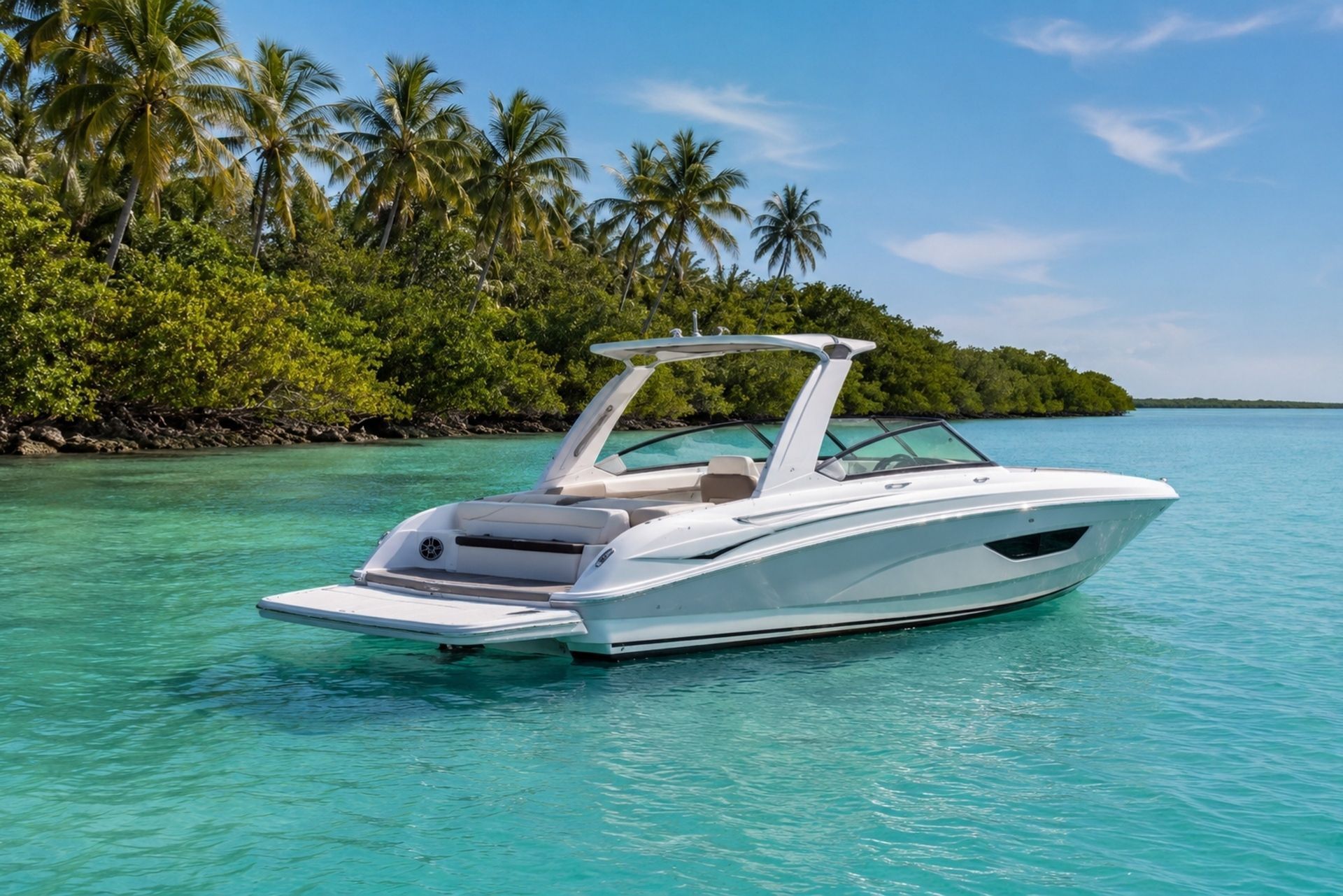

Your base policy for watercraft coverage in Florida typically includes three core components: liability, hull, and medical payments. Understanding how each one works helps you avoid paying for coverage you don't need or, worse, missing protection you do.
Liability and Property Damage
Liability coverage pays for injuries and property damage you cause to others while operating your boat. This includes collisions with other vessels, damage to docks or seawalls, and injuries to swimmers or passengers on other boats. Standard limits start at $100,000 per occurrence, but most agents recommend $300,000 to $500,000 for Florida waters given the density of boat traffic.
Property damage liability is usually bundled into the same limit. If you strike a $200,000 sportfisher at a fuel dock, your liability coverage responds first. Without adequate limits, you're personally responsible for the difference.
Agreed Value vs. Actual Cash Value
Hull coverage protects your boat itself, and the valuation method you choose determines your payout after a total loss. Agreed value policies pay the full amount listed on your policy, regardless of depreciation. Actual cash value (ACV) policies deduct depreciation, which can reduce your payout significantly on older vessels.
On the flip side, agreed value policies cost more in annual premiums. For a 2024 model-year boat worth $85,000, the difference between agreed value and ACV premiums might be $200 to $400 per year. That gap pays for itself quickly if you ever file a total loss claim. Most experienced boat owners choose agreed value for this reason.
Uninsured Watercraft Protection
Uninsured boater coverage fills a critical gap. If another vessel operator causes an accident and carries no insurance, this coverage pays for your injuries and, in some policies, damage to your boat. Given that Florida doesn't mandate boat insurance, a significant number of vessels on the water are completely uninsured.
This coverage mirrors uninsured motorist protection on your auto policy. Limits typically match your liability limits. Dropping this endorsement to save $30 to $50 per year is a gamble that rarely pays off, especially on busy waterways like the Intracoastal or Biscayne Bay.
Essential Add-ons for the Sunshine State
Florida's climate and geography create risks that standard policies don't always cover. These endorsements address the threats most likely to affect your boat in this state.
Hurricane Haul-Out Provisions
Hurricane haul-out coverage reimburses you for the cost of pulling your boat from the water when a named storm threatens. Haul-out fees during hurricane season can spike to $500 to $2,000 depending on vessel size and demand. Some policies include this automatically, while others offer it as a rider.
A named storm deductible, which is separate from your standard deductible, usually applies during hurricane season (June 1 through November 30). These deductibles can range from 2% to 10% of your hull value, so a $100,000 boat could carry a $10,000 hurricane deductible. Knowing this number before storm season starts prevents unpleasant surprises.
Fuel Spill Liability and Wreckage Removal
If your boat sinks or runs aground, you're legally responsible for removing the wreckage and cleaning up any fuel that leaks into the water. The U.S. Coast Guard and state agencies enforce strict environmental cleanup requirements, and costs can exceed $50,000 for a mid-size vessel. Fuel spill liability coverage handles these expenses, which your standard liability policy typically excludes.
Fishing Equipment and Personal Effects
Standard policies cap personal property coverage at low limits, often $1,000 to $2,500. If you carry expensive fishing gear, electronics, or diving equipment, a personal effects endorsement raises that limit to $5,000 or more. Itemize your gear and compare its total value against your policy's sub-limit to determine whether this add-on makes sense.
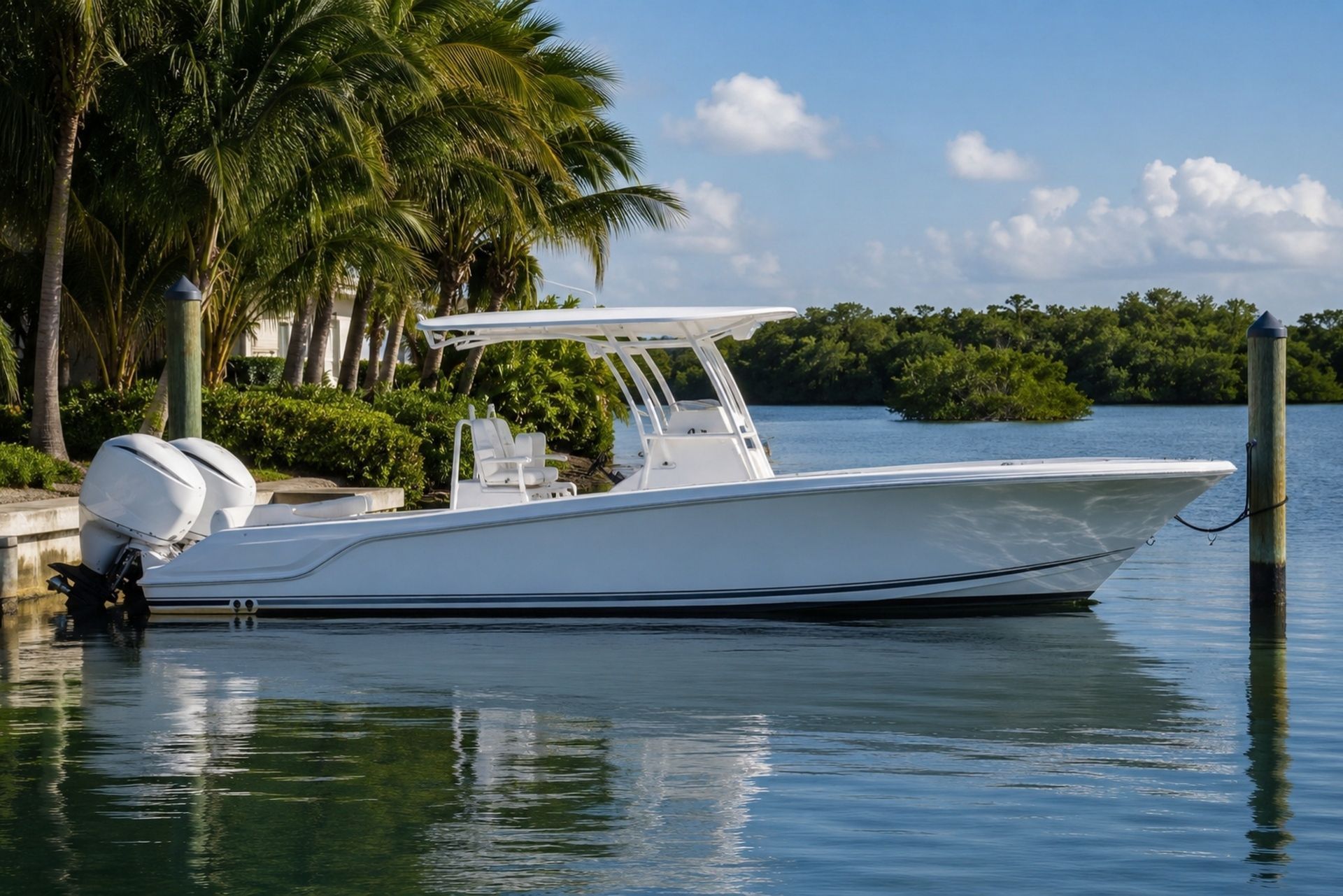
Comparing Policy Tiers: Basic vs. Comprehensive
Not all boat insurance policies offer the same depth of protection. The difference between a basic liability-only plan and a comprehensive package can mean tens of thousands of dollars in a claim.
Comparison Table: Coverage Differences
| Coverage Feature | Basic Policy | Comprehensive Policy |
|---|---|---|
| Liability | $100,000 per occurrence | $300,000 - $1,000,000 |
| Hull Coverage | Not included | Agreed value or ACV |
| Uninsured Boater | Not included | Included |
| Medical Payments | $1,000 per person | $5,000 - $25,000 per person |
| Fuel Spill / Wreckage | Not included | Included |
| Personal Effects | Not included | $2,500 - $10,000 |
| Hurricane Haul-Out | Not included | Optional or included |
| Towing / Assistance | Not included | Included (typically $5,000+) |
A basic policy works for small vessels stored on trailers with minimal exposure. For anything docked at a marina or used regularly on open water, comprehensive coverage is the better fit.
Your premium depends on several variables, and understanding them helps you control costs. Boat type, length, horsepower, and age are the primary rating factors. A 35-foot offshore center console with twin 400hp outboards costs significantly more to insure than a 20-foot bay boat.
Your boating experience and claims history also matter. Completing an approved boating safety course through the FWC can earn you a 5% to 15% discount with most carriers. Where you store your boat, whether in a covered rack, on a lift, or on a mooring, affects your rate too. Covered storage reduces exposure to weather damage and theft.
Here's what that means for you: gather quotes from at least four to six carriers using identical coverage limits. Rates for the same vessel can vary by 30% or more between companies. An independent agent who works with multiple marine insurers can run these comparisons for you in a single call.
Common Florida Boating Insurance Questions
Does my homeowners policy cover my boat? Most homeowners policies provide limited coverage for small boats, usually under 26 feet with low horsepower. Anything larger or more powerful needs a standalone marine policy.
Is boat insurance required in Florida? No state law mandates it. That said, lenders and marinas almost always require coverage as a condition of financing or docking.
What does a typical Florida boat insurance policy cost? Annual premiums range from $200 for a small skiff to $3,000 or more for larger offshore vessels. Your boat's value, horsepower, and storage location are the biggest cost drivers.
Are jet skis covered under a boat policy? Some insurers bundle personal watercraft under a boat policy, but most require a separate PWC policy. Confirm with your carrier before assuming coverage.
What's a named storm deductible? It's a separate, higher deductible that applies only during hurricane-related claims. It's calculated as a percentage of your hull value rather than a flat dollar amount.
Do I need coverage if I only use my boat on lakes? Freshwater use reduces some risks, but collisions, theft, and liability claims happen on lakes too. Coverage is still strongly recommended.
Making the Right Choice for Your Vessel
Florida's waterways reward those who prepare. With over a million registered boats sharing the state's coastline, rivers, and bays, the odds of encountering an incident over your boating lifetime are higher than most owners expect. The right insurance policy acts as a financial safety net, covering everything from a dock scratch to a total loss in a named storm.
Start by identifying your actual risks: where you boat, how often, and what your vessel is worth. Match those risks to coverage that addresses them directly, and don't skip uninsured boater protection or fuel spill liability just to save a few dollars per month. Review your policy annually, especially before hurricane season, to make sure your limits and deductibles still reflect your situation. Reach out to an independent marine insurance agent who can compare multiple carriers side by side and find the coverage that fits both your vessel and your budget.
About The Author:
Evan Marcotte
As an Auto Insurance Specialist at 5-Star Insurance, I’m passionate about helping drivers get the protection they need with speed, clarity, and confidence. My goal is to make every policy simple to understand and every client fully supported — from quote to claim.
Menu Pop-Up
Real Reviews from Florida Drivers
At 5-Star Insurance, we help drivers across Florida get insured quickly and affordably even in challenging situations. Whether it’s handling SR-22 and FR-44 filings or finding the most budget-friendly policy, our clients count on us to make the process fast, simple, and stress-free. Here’s what some of them have shared

Coverage Tailored to Your Needs
We specialize in essential auto insurance products for Florida drivers:
Auto Insurance
Standard auto coverage for Florida drivers, including liability, comprehensive, and collision options.
Commercial Auto Insurance
Protection for vehicles used for business and commercial purposes.
Liability-Only Auto Insurance
Basic, affordable coverage meeting Florida’s minimum requirements.
SR-22 Insurance
Required filing for drivers needing to reinstate their license after violations.
Motorcycle Insurance
Affordable insurance for motorcycles, scooters, and similar vehicles.
Clear Answers to Your Auto Insurance Questions
At 5-Star Insurance, we make sure every driver understands their options. Whether you are dealing with a suspension, DUI, or just need affordable coverage, we are here to help you get back on the road with confidence.
Stay Informed with Our Latest Articles
Gain insights to make smarter decisions about your insurance coverage:
Check out Our Latest Videos
Quick clips to keep you up to date on SR22 and FR44 insights and news
Contact Us
