

A single foodborne illness claim can cost a catering business tens of thousands of dollars before attorneys even get involved. Pair that with Florida's hurricane season, its high volume of outdoor events, and the state's litigious reputation, and you've got a recipe for financial exposure that no caterer can afford to ignore. Whether you're running a full-service operation out of a commercial kitchen or managing a small team that works weddings on the weekends, the right insurance coverage is what stands between your business and a catastrophic loss.
This guide to Florida catering insurance covers the essential policies you need, from general liability and liquor liability to property and equipment coverage. Understanding each layer of protection helps you make informed decisions, avoid common coverage gaps, and meet the contractual demands that venues across the state impose on vendors.
Why Florida Caterers Need Specialized Insurance
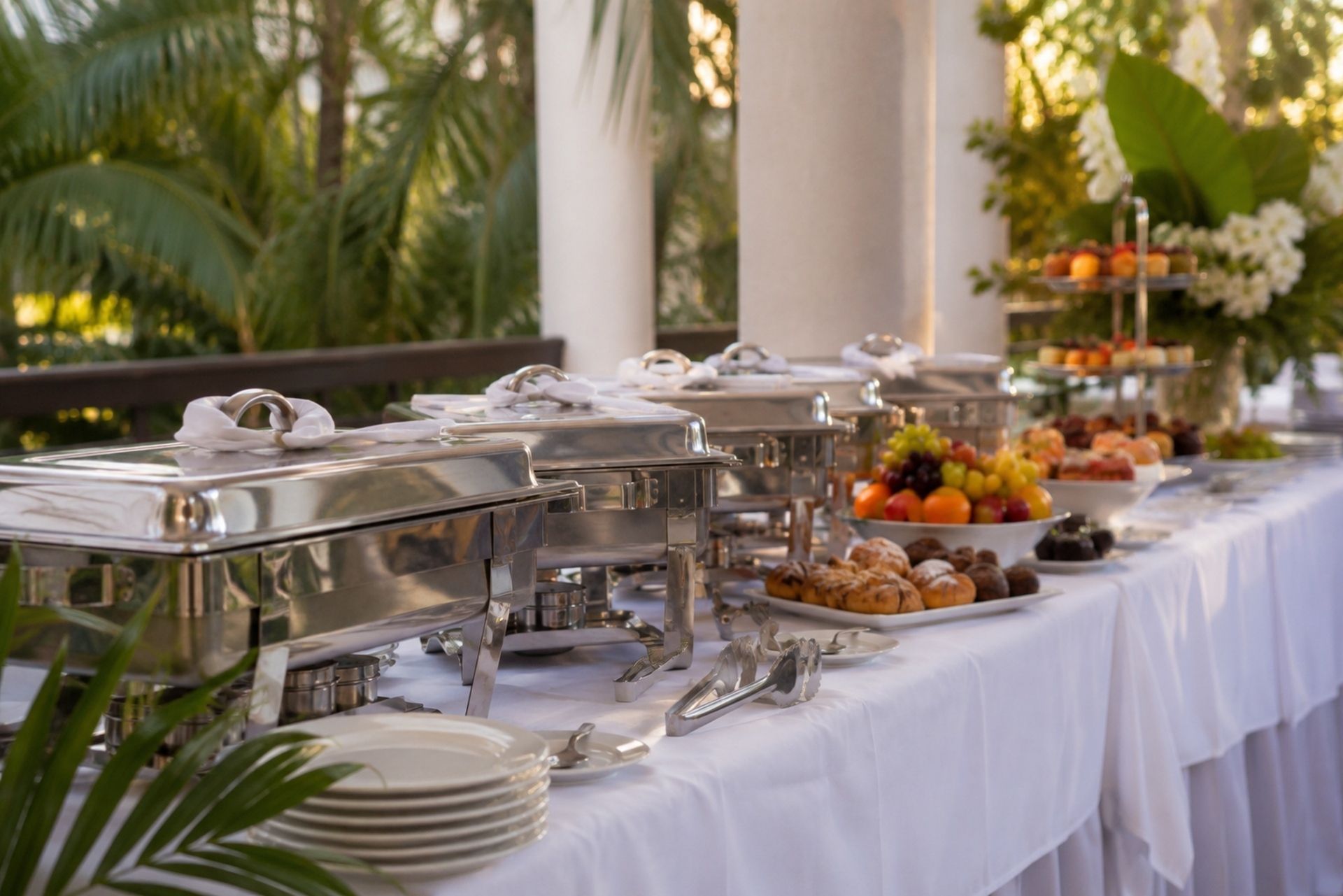
Florida's catering industry operates under conditions that generic business insurance simply doesn't address well. The state hosts thousands of outdoor weddings, corporate events, and festivals every year, many of them in venues ranging from beachfront resorts to private estates. Each setting introduces unique risks that a standard policy may exclude or underinsure.
Caterers also face a regulatory environment that treats food service businesses with particular scrutiny. The Florida Department of Business and Professional Regulation requires specific licenses, and most commercial landlords and event venues demand proof of insurance before you can set foot on their property. A policy designed for a retail shop or consulting firm won't cover the mobile, food-centric, and often alcohol-involved nature of catering work.
Common Risks in the Sunshine State
Florida's climate and geography create hazards that caterers in other states rarely consider. Hurricane season runs from June through November, overlapping with peak wedding and event months. A sudden storm can destroy a tent setup, ruin thousands of dollars in prepared food, and injure guests or staff.
Heat-related food safety issues are another constant concern. Keeping perishable items at safe temperatures during an outdoor July reception in Tampa requires proper equipment, and if that equipment fails, you're exposed to both health code violations and liability claims. Slip-and-fall accidents on wet surfaces, burns from chafing dishes, and allergic reactions to undisclosed ingredients round out the most frequent claim types Florida caterers report.
Venue and Contract Requirements
Most Florida event venues require caterers to carry a minimum of $1 million in general liability coverage per occurrence. Many also require the venue to be named as an additional insured on your policy, which is a standard endorsement your insurer can add.
The catch is that some venues go further. Upscale hotels and resorts in markets like Miami, Orlando, and Naples often require $2 million aggregate limits, liquor liability coverage, and proof of workers' compensation. If you can't meet these requirements, you lose the contract. Having the right policies in place before you start bidding on events saves you from scrambling at the last minute or, worse, turning down profitable work.

Essential Coverage Types for Catering Businesses
A complete insurance program for a Florida caterer typically includes several distinct policies working together. No single policy covers everything, and understanding what each one does, and doesn't, protect helps you avoid dangerous gaps.
General Liability and Product Liability
General liability insurance is the foundation of any catering insurance program. It covers third-party bodily injury, property damage, and personal injury claims. If a guest trips over a power cord at your buffet station and breaks a wrist, general liability responds. If your team damages a venue's hardwood floor while setting up, this policy pays for repairs.
Product liability, which is typically included within your general liability policy, covers claims arising from the food and beverages you serve. This is the coverage that activates when a guest has an allergic reaction or contracts a foodborne illness. Florida courts have historically been plaintiff-friendly in food contamination cases, so carrying adequate limits here isn't optional. Most caterers should carry at least $1 million per occurrence and $2 million aggregate, and specialized restaurant and catering policies often bundle these coverages at competitive rates.
Liquor Liability for Bar Services
If your catering business serves alcohol, even just beer and wine, you need a separate liquor liability policy. Florida's dram shop laws hold alcohol servers responsible if an intoxicated guest causes injury or property damage after being served at your event.
Standard general liability policies exclude alcohol-related claims. A liquor liability policy fills that gap, covering legal defense costs and settlements if your bartender over-serves a guest who later causes a car accident. Premiums vary based on your annual alcohol revenue, the types of events you serve, and whether you hold your own liquor license or operate under the venue's license. For caterers who serve alcohol at more than a handful of events per year, this coverage typically costs between $500 and $2,500 annually.
Commercial Auto and Off-Premises Equipment
Your personal auto insurance will not cover accidents that occur while you're using your vehicle for business purposes. A commercial auto policy covers your catering van, delivery vehicles, and any hired or non-owned vehicles your staff might use. This distinction matters: if an employee causes an accident while delivering food in their personal car, your commercial auto policy with a hired and non-owned auto endorsement responds.
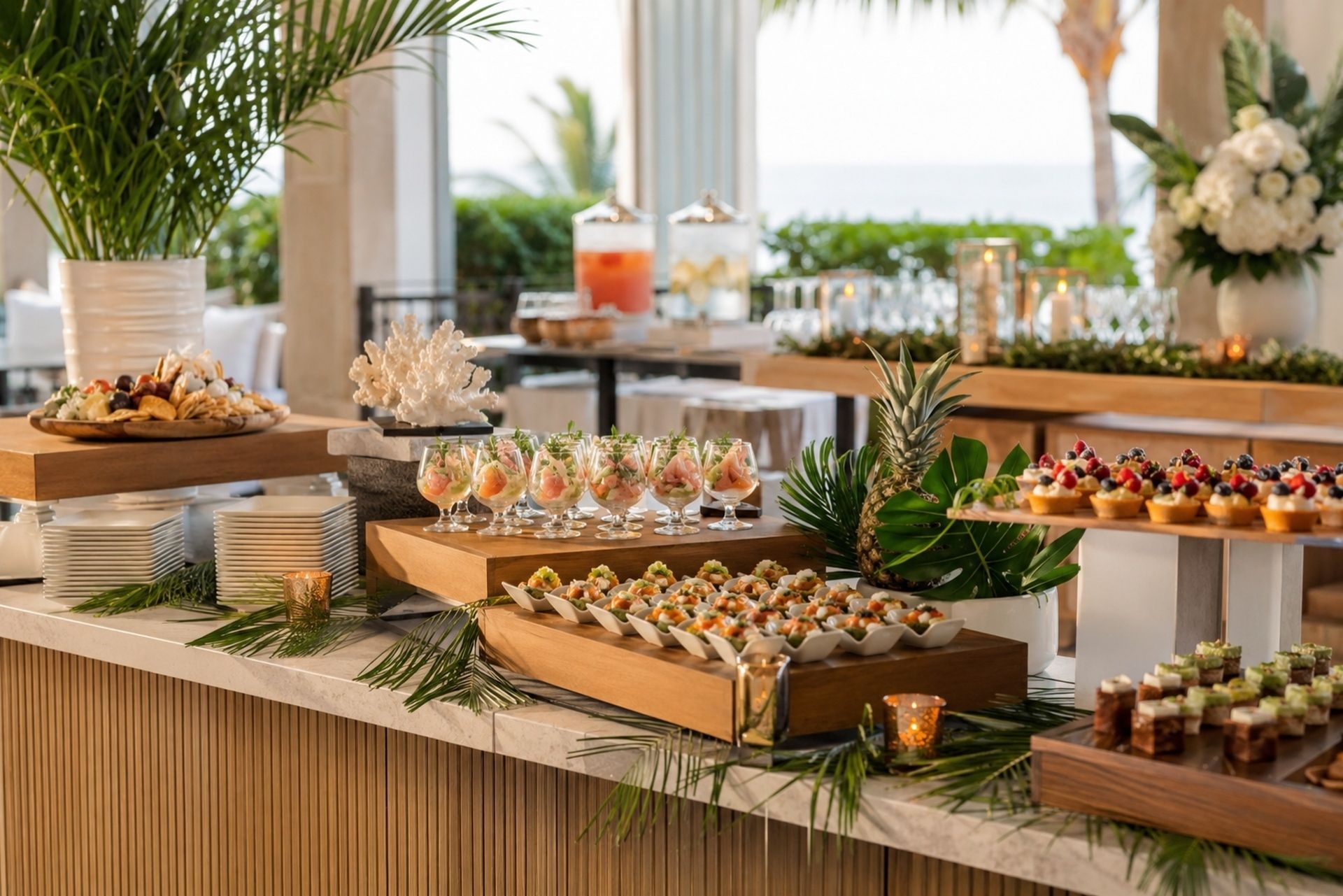
Equipment coverage is equally critical. Caterers transport expensive items to off-site locations: commercial-grade chafing dishes, portable ovens, refrigeration units, and serving ware. Standard property insurance covers equipment at your business location but often excludes items in transit or at a temporary event site. An
inland marine insurance policy covers your equipment wherever it goes, whether it's in your van, at a venue, or being stored at a warehouse between events.
Florida State Requirements and Workers' Comp
Florida law requires businesses in the construction industry with one or more employees to carry workers' compensation insurance. For non-construction businesses, including caterers, the threshold is four or more employees. That said, even if you operate with fewer than four employees, many venues and general contractors require proof of workers' comp before allowing you on-site.
Here's what that means for you: Florida's workers' compensation landscape is becoming more affordable. Workers' comp rates will see a statewide average decrease of 6.9% effective January 1, 2026, marking the tenth consecutive year of rate reductions. This trend has been confirmed by the NCCI's advisory filing and reflects improved workplace safety outcomes across the state.
For catering businesses, the classification code that applies to your workers determines your per-$100 payroll rate. Restaurant and catering employees typically fall under codes that carry moderate rates, but the
specific rate tables published for 2026 show meaningful savings compared to prior years. If you've been putting off getting workers' comp because of cost concerns, the current rate environment makes it more accessible than it's been in a decade.
Comparison: Basic vs. Comprehensive Coverage
| Coverage Feature | Basic Policy | Comprehensive Policy |
|---|---|---|
| General Liability | $1M per occurrence | $2M per occurrence |
| Product Liability | Included in GL | Included in GL with higher limits |
| Liquor Liability | Not included | $1M per occurrence |
| Commercial Auto | Not required | Included with hired/non-owned |
| Equipment (Inland Marine) | Not required | $25K-$100K portable equipment |
| Workers' Compensation | Not included | Statutory limits |
| Business Interruption | Not included | Covers lost income from covered events |
| Typical Annual Cost | $800-$1,500 | $3,000-$7,000+ |
A basic policy might work for a solo operator who handles small private dinner parties without alcohol service. The moment you hire staff, serve drinks, or work at venues with strict insurance requirements, you need a comprehensive program. One thing to keep in mind: the cost difference between basic and comprehensive coverage is often less than the revenue from a single large event.
Frequently Asked Questions About Catering Insurance
How much does a basic policy cost in Florida?
A basic general liability policy for a small Florida catering operation typically runs between $800 and $1,500 per year. Your exact premium depends on your annual revenue, the number of events you cater, your claims history, and whether you serve alcohol. Gathering quotes from at least four to six carriers using identical coverage levels gives you the most accurate price comparison.
Does my personal car insurance cover my catering van?
No. Personal auto policies exclude vehicles used for business purposes. If you're transporting food, equipment, or staff to an event and get into an accident, your personal insurer will likely deny the claim. You need a commercial auto policy or, at minimum, a business use endorsement on your personal policy.
Can I get insurance for just a one-day event?
Yes. Several insurers offer short-term event policies that provide general liability coverage for a single day or weekend. These typically cost between $150 and $300 per event and are useful for caterers who only work a few events per year. However, if you're catering more than five or six events annually, an annual policy is almost always more cost-effective.
Do I need liquor liability if I only serve beer and wine?
Yes. Florida's dram shop liability applies regardless of the type of alcohol served. A guest who becomes intoxicated on beer can cause just as much harm as one who drinks spirits. If you serve any alcohol, you need liquor liability coverage.
What happens if a guest gets food poisoning?
Your product liability coverage, which is typically bundled into your general liability policy, responds to food poisoning claims. It covers medical expenses, legal defense costs, and any settlements or judgments. Document your food safety procedures, temperature logs, and ingredient sourcing carefully, as this documentation becomes critical evidence if a claim arises.
Making the Right Choice for Your Business
Florida's catering industry rewards operators who protect themselves properly. The right insurance program doesn't just shield you from financial ruin; it opens doors to higher-end venues, larger contracts, and clients who insist on working with fully insured vendors.
Start by assessing your actual risk profile. How many events do you cater per year? Do you serve alcohol? How many employees are on your payroll? Do you transport equipment in your own vehicles? Your answers to these questions determine which coverages you need and at what limits.
On the flip side, don't over-insure for risks you don't face. A solo chef who prepares meals in a client's home kitchen has different needs than a 20-person operation running three events every weekend. Work with an independent insurance agent who understands the food service industry in Florida, and review your coverage annually as your business grows. The
ongoing reductions in workers' comp rates make 2026 a particularly good year to lock in or upgrade your coverage. Get your quotes, compare them carefully, and build a policy package that lets you focus on what you do best: feeding people well.
About The Author:
Evan Marcotte
As an Auto Insurance Specialist at 5-Star Insurance, I’m passionate about helping drivers get the protection they need with speed, clarity, and confidence. My goal is to make every policy simple to understand and every client fully supported — from quote to claim.
Menu Pop-Up
Real Reviews from Florida Drivers
At 5-Star Insurance, we help drivers across Florida get insured quickly and affordably even in challenging situations. Whether it’s handling SR-22 and FR-44 filings or finding the most budget-friendly policy, our clients count on us to make the process fast, simple, and stress-free. Here’s what some of them have shared

Coverage Tailored to Your Needs
We specialize in essential auto insurance products for Florida drivers:
Auto Insurance
Standard auto coverage for Florida drivers, including liability, comprehensive, and collision options.
Commercial Auto Insurance
Protection for vehicles used for business and commercial purposes.
Liability-Only Auto Insurance
Basic, affordable coverage meeting Florida’s minimum requirements.
SR-22 Insurance
Required filing for drivers needing to reinstate their license after violations.
Motorcycle Insurance
Affordable insurance for motorcycles, scooters, and similar vehicles.
Clear Answers to Your Auto Insurance Questions
At 5-Star Insurance, we make sure every driver understands their options. Whether you are dealing with a suspension, DUI, or just need affordable coverage, we are here to help you get back on the road with confidence.
Stay Informed with Our Latest Articles
Gain insights to make smarter decisions about your insurance coverage:
Check out Our Latest Videos
Quick clips to keep you up to date on SR22 and FR44 insights and news
Contact Us
