

A single missed defect in a Florida home inspection can trigger a lawsuit that costs more than your annual revenue. With the state's volatile property market and increasing litigation pressure, carrying the right insurance isn't just smart business practice: it's survival. Florida home inspector insurance spans several distinct policy types, and understanding how errors and omissions, general liability, and property coverage work together is the difference between a protected business and a financial disaster waiting to happen.
Whether you're a solo inspector building your client list or a veteran running a multi-inspector firm, your coverage needs are shaped by Florida-specific risks. Hurricane damage, mold, termite infestations, and aging infrastructure create a uniquely demanding inspection environment. This guide breaks down the coverage types you need, the endorsements that fill critical gaps, and the costs you should expect in 2026.
Florida State Insurance Requirements for Home Inspectors
Florida has historically been one of the more permissive states regarding home inspector insurance mandates. The state requires licensure through the Department of Business and Professional Regulation (DBPR), but until recently, it left insurance decisions largely to individual inspectors and their businesses.
That's changing. A proposed legislative measure, Senate Bill 360, would require home inspectors to carry $500,000 in E&O coverage as a condition of licensure. If passed, this would represent a major shift in how Florida regulates the profession. Even if the bill stalls, the trend is clear: mandatory insurance requirements are coming.
Mandatory General Liability Minimums
Florida doesn't currently mandate a specific general liability minimum for home inspectors at the state level. That said, most real estate agencies and referral networks require proof of general liability coverage before they'll work with you. The industry standard sits at $1 million per occurrence and $2 million aggregate.
If you're working on commercial properties or larger residential projects, clients may demand higher limits. Some inspectors carry $3 million aggregate policies to remain competitive. Your general liability policy covers third-party bodily injury and property damage: if you accidentally break a water heater during an inspection or a client trips over your equipment, this is the policy that responds.
The Importance of Error and Omissions (E&O) Coverage
E&O insurance, also called professional liability insurance, protects you when a client claims you missed a defect or provided inaccurate information in your report. This is the coverage that keeps inspectors awake at night, and for good reason. A missed roof leak or an overlooked foundation crack can generate claims well into six figures.
Florida's tort reform under
HB 837 has shifted the state's comparative fault framework, which affects how damages are calculated in negligence lawsuits. For inspectors, this means your E&O policy's defense cost provisions matter just as much as the coverage limits themselves. Most E&O claims don't go to trial, but legal defense fees alone can reach $50,000 or more.

Comparing Core Coverage Types
Many inspectors confuse general liability with professional liability, assuming one policy handles everything. They cover fundamentally different risks, and gaps between them are where expensive claims live.
Comparison Table: General Liability vs. Professional Liability
| Feature | General Liability | Professional Liability (E&O) |
|---|---|---|
| What it covers | Bodily injury, property damage to third parties | Claims from professional errors, omissions, or negligent advice |
| Example claim | Client slips on your ladder at a job site | Buyer sues because you missed knob-and-tube wiring |
| Typical limits | $1M per occurrence / $2M aggregate | $500K to $1M per claim |
| Claims-made vs. occurrence | Usually occurrence-based | Usually claims-made |
| Defense costs | Typically included within limits | May be inside or outside limits (check your policy) |
| Required by Florida law? | No state mandate (but often contractually required) | Proposed $500K mandate under SB 360 |
One thing to keep in mind: claims-made policies only cover claims filed during the active policy period. If you cancel your E&O policy and a former client sues you six months later, you're unprotected unless you purchased tail coverage. Occurrence-based policies, by contrast, cover incidents that happened during the policy period regardless of when the claim is filed.
Essential Add-Ons for Full Protection
Standard general liability and E&O policies leave significant gaps for Florida home inspectors. The state's climate and housing stock create risks that require specialized endorsements.
Radon, Mold, and Termite Endorsements
If you perform radon testing, mold assessments, or wood-destroying organism (WDO) inspections, your base E&O policy likely excludes claims arising from these services. Florida's warm, humid climate makes mold and termite damage among the most common post-purchase complaints from homebuyers.
A WDO endorsement typically adds $200 to $500 per year to your premium. Radon testing endorsements run in a similar range. Skipping these endorsements while still offering the services is one of the most common and costly mistakes Florida inspectors make. If you advertise it, insure it.
Equipment and Tool Insurance
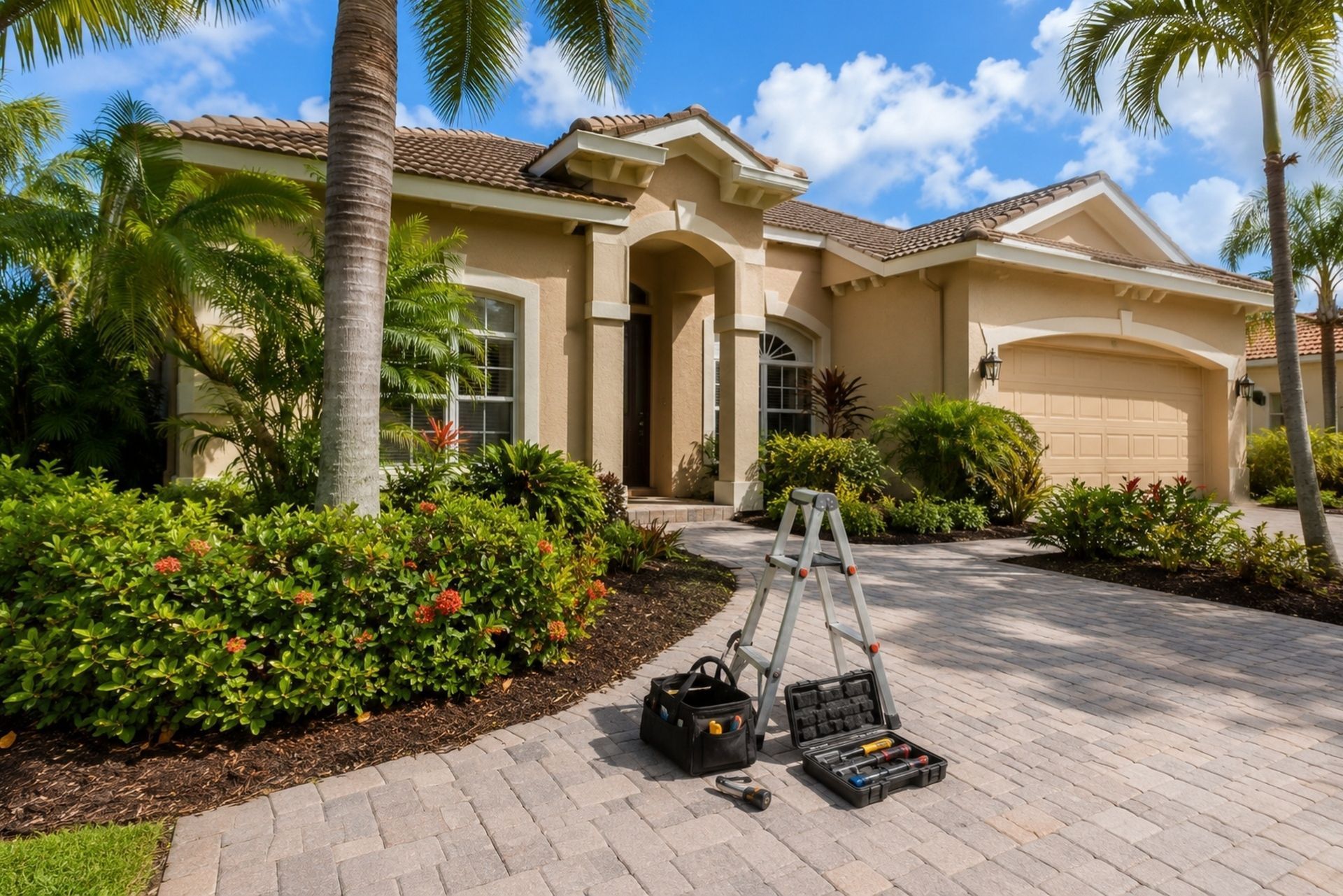
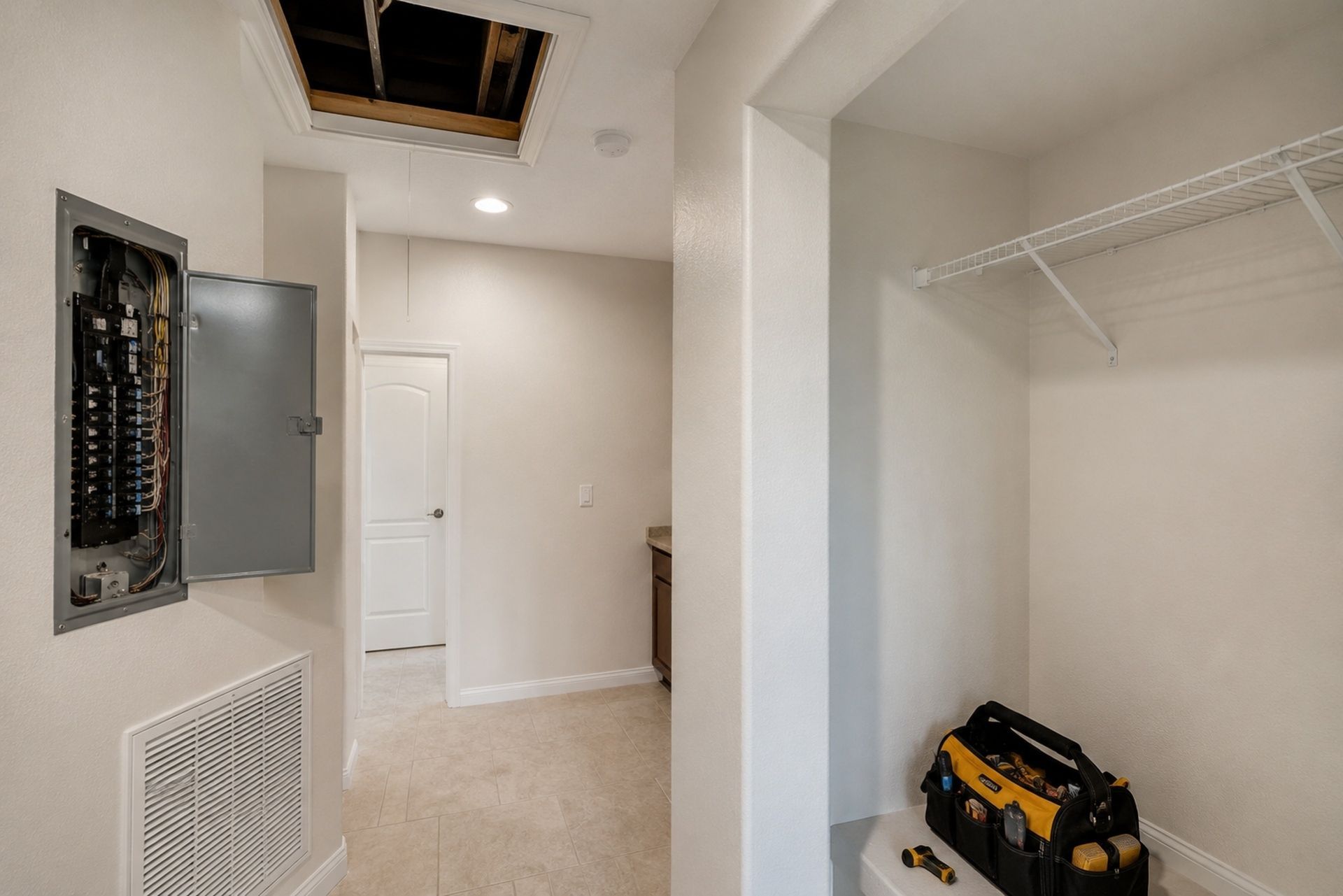
Your thermal imaging camera alone might cost $5,000 to $10,000 to replace. Add moisture meters, gas detectors, electrical testers, and drone equipment, and you're looking at a significant uninsured asset pool. An inland marine or tools and equipment policy covers theft, accidental damage, and loss of your professional gear.
Standard commercial property policies often exclude portable equipment used off-premises. Since your tools travel with you to every inspection, a dedicated equipment floater is the appropriate coverage form.
Cyber Liability for Client Data
You're collecting names, addresses, email addresses, and sometimes financial information from every client. A data breach or ransomware attack creates both legal liability and reputational damage. Cyber liability policies cover breach notification costs, credit monitoring for affected clients, and legal defense.
Florida inspectors who store reports in cloud-based inspection software are particularly exposed. Even a simple phishing attack on your email account can compromise hundreds of client records. Cyber liability coverage starts at roughly $500 per year for small inspection firms.
Your annual premium depends on several variables, and understanding them helps you shop effectively. Florida's insurance market has been under pressure from rising property insurance costs and increased catastrophe exposure, which indirectly affects commercial lines pricing for inspectors.
The primary factors include:
- Your annual revenue and number of inspections performed
- Years of experience and claims history
- Coverage limits and deductible selections
- Whether you offer ancillary services (radon, mold, WDO, pool inspections)
- Number of inspectors on your team
- Geographic location within Florida (coastal vs. inland)
A solo inspector performing 200 to 300 inspections per year can expect to pay between $1,500 and $4,000 annually for a combined GL and E&O package. Multi-inspector firms with higher revenue will pay proportionally more. Gathering quotes from at least four to six carriers using identical coverage parameters gives you the most accurate price comparison.
Florida's
tort reform measures have begun stabilizing some commercial insurance costs, but inspectors with prior claims on their record will still face elevated premiums. A single paid claim can increase your rates by 20% to 40% at renewal.
Common Questions About Florida Inspector Insurance
FAQ: Do I need insurance if I work for a larger company?
If you're a W-2 employee, your employer's policies generally cover your professional activities. If you're classified as a 1099 independent contractor, you're responsible for your own coverage. Many inspection companies require contractors to carry their own GL and E&O policies and provide certificates of insurance before assigning work.
FAQ: How much does a typical Florida policy cost?
Most solo Florida inspectors pay between $1,500 and $4,000 per year for combined general liability and E&O coverage. Adding endorsements for WDO, radon, or mold testing increases the total by $200 to $500 per endorsement. Your specific premium depends on inspection volume, claims history, and coverage limits.
FAQ: Does my insurance cover pool and spa inspections?
Standard E&O policies often exclude pool and spa inspections. You'll need a specific endorsement to cover this service. Given that a significant percentage of Florida homes include pools, this endorsement is worth the additional cost if you offer pool inspections.
FAQ: What is a deductible and how do I choose one?
Your deductible is the amount you pay out of pocket before your insurance responds to a claim. Higher deductibles lower your premium but increase your financial exposure per claim. Most inspectors choose deductibles between $1,000 and $5,000. If you have strong cash reserves, a higher deductible can save you $300 to $600 annually on premiums.
FAQ: Can I get insurance without a Florida license?
Most reputable insurance carriers require proof of active Florida licensure before issuing a home inspector policy. Operating without a license violates state law and would likely void any insurance policy you managed to obtain. Get licensed first, then secure your coverage.
Making the Right Choice for Your Business
Building the right insurance program for a Florida home inspection business isn't a one-time decision. Your coverage should evolve as your services expand, your revenue grows, and the regulatory environment shifts. The proposed E&O mandate under SB 360 signals that Florida is moving toward stricter insurance requirements, and inspectors who already carry adequate coverage won't face a scramble to comply.
Start with the foundation: a general liability policy meeting the $1 million/$2 million industry standard and an E&O policy with at least $500,000 in coverage. Then layer on endorsements that match your actual service offerings. Don't pay for radon coverage if you don't test for radon, but never offer a service you haven't insured.
Review your policies annually, compare quotes from multiple carriers, and work with an independent agent who understands the inspection industry. Your insurance is the financial backbone of your business. Treat it with the same attention you give every inspection report.
About The Author:
Evan Marcotte
As an Auto Insurance Specialist at 5-Star Insurance, I’m passionate about helping drivers get the protection they need with speed, clarity, and confidence. My goal is to make every policy simple to understand and every client fully supported — from quote to claim.
Menu Pop-Up
Real Reviews from Florida Drivers
At 5-Star Insurance, we help drivers across Florida get insured quickly and affordably even in challenging situations. Whether it’s handling SR-22 and FR-44 filings or finding the most budget-friendly policy, our clients count on us to make the process fast, simple, and stress-free. Here’s what some of them have shared

Coverage Tailored to Your Needs
We specialize in essential auto insurance products for Florida drivers:
Auto Insurance
Standard auto coverage for Florida drivers, including liability, comprehensive, and collision options.
Commercial Auto Insurance
Protection for vehicles used for business and commercial purposes.
Liability-Only Auto Insurance
Basic, affordable coverage meeting Florida’s minimum requirements.
SR-22 Insurance
Required filing for drivers needing to reinstate their license after violations.
Motorcycle Insurance
Affordable insurance for motorcycles, scooters, and similar vehicles.
Clear Answers to Your Auto Insurance Questions
At 5-Star Insurance, we make sure every driver understands their options. Whether you are dealing with a suspension, DUI, or just need affordable coverage, we are here to help you get back on the road with confidence.
Stay Informed with Our Latest Articles
Gain insights to make smarter decisions about your insurance coverage:



Check out Our Latest Videos
Quick clips to keep you up to date on SR22 and FR44 insights and news
Contact Us
