

A single denied claim can cost a Florida delivery driver thousands of dollars, and it happens more often than most people realize. Your personal auto policy likely won't cover you the moment you accept a delivery order, leaving a dangerous gap between what you think you're protected against and what your insurer will actually pay. Whether you're running a
small courier operation or picking up shifts through an app, understanding your insurance obligations in Florida is the difference between staying on the road and losing everything after one accident. Florida's delivery driver insurance requirements span commercial auto policies,
hired and non-owned coverage, and liability protections, each filling a specific role in your risk profile. The good news? Florida's top five auto insurance groups
reported an average 8% rate decrease for 2026, making this a favorable time to shop for the right policy. This guide breaks down exactly what you need, what it costs, and where drivers commonly get burned.
Understanding Florida Delivery Driver Insurance Requirements
Florida requires all drivers to carry minimum auto insurance, but delivery drivers face a stricter set of rules. The state mandates $10,000 in Personal Injury Protection (PIP) and $10,000 in Property Damage Liability (PDL) for all registered vehicles. Those minimums, however, were designed for personal driving, not for someone making 30 stops a day carrying goods for pay.
The moment you use your vehicle for commercial purposes, you've crossed a line that most personal policies explicitly exclude. Florida doesn't have a single "delivery driver license" or permit, but insurers treat commercial use as a material change in risk. If you fail to disclose that you're delivering for income, your insurer can void your policy retroactively.
The Gap Between Personal and Commercial Policies
Personal auto policies contain a "business use exclusion" that kicks in when your vehicle is used to generate income through transporting goods or people. This isn't a technicality insurers occasionally enforce. It's a standard exclusion that applies the moment you're on a paid delivery run.
Here's what that means for you: if you're in an accident while carrying a customer's food order or an Amazon package, your personal insurer can deny the claim entirely. You'd be responsible for vehicle repairs, medical bills, and any third-party damages out of pocket. The gap isn't small, and it isn't theoretical. Claims adjusters specifically ask what you were doing at the time of the accident.
Florida No-Fault Laws and PIP Coverage
Florida operates under a no-fault insurance system, which means your own PIP coverage pays for your medical expenses regardless of who caused the accident. PIP covers 80% of medical costs and 60% of lost wages, up to your $10,000 policy limit. That said, the no-fault system hasn't undergone major legislative changes recently, so the same rules that applied in prior years still govern your claims process.
One thing to keep in mind: PIP's $10,000 cap gets exhausted fast after a serious accident. Delivery drivers face higher accident exposure due to increased time on the road, frequent stops, and driving in unfamiliar neighborhoods. A commercial policy with higher medical coverage limits is worth considering, particularly if you drive full-time.

Types of Coverage for Florida Delivery Professionals
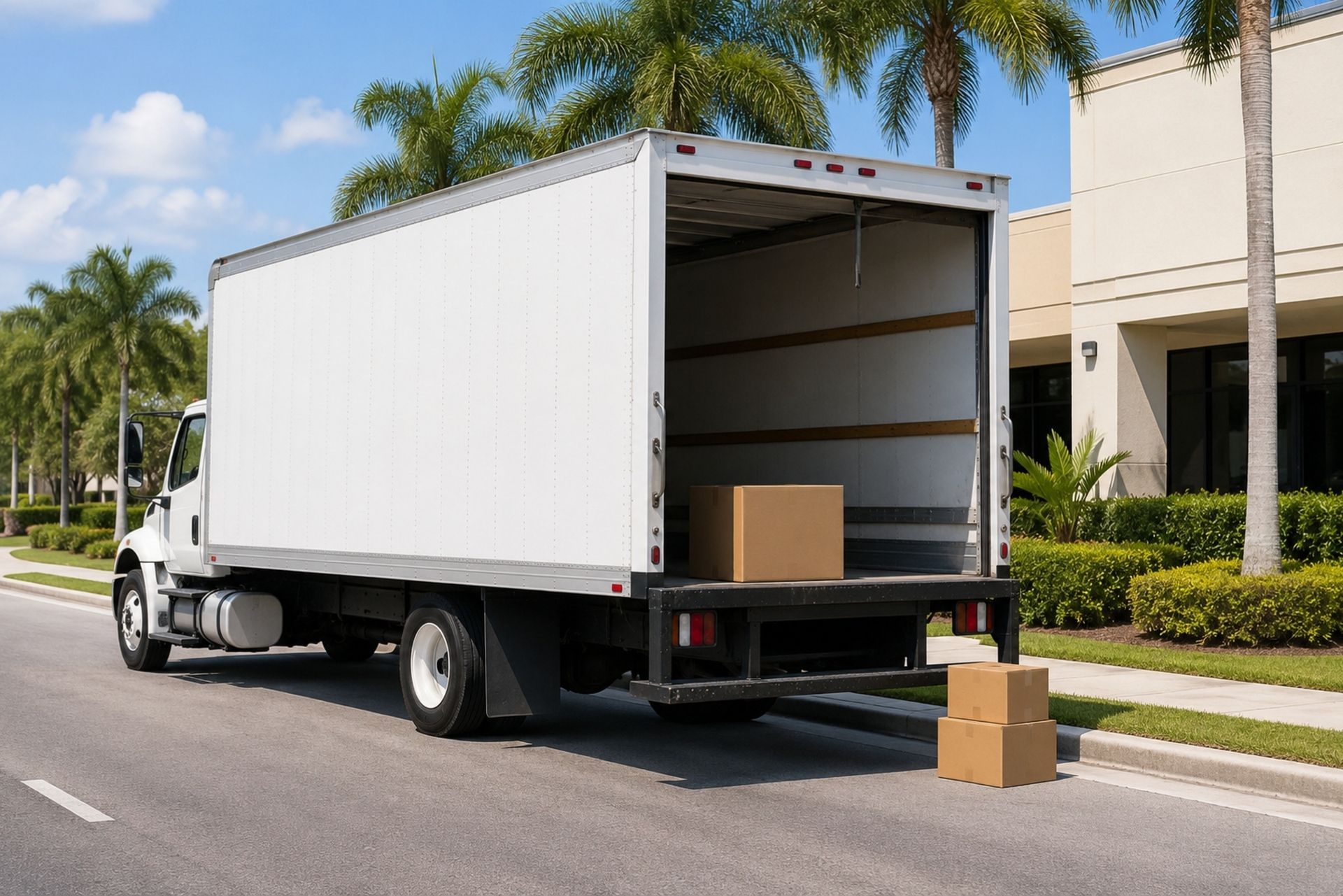
Florida delivery drivers need a layered insurance approach. No single policy covers every risk you face. Commercial auto insurance protects your vehicle and covers accidents while you're working. Hired and non-owned auto (HNOA) insurance fills gaps when you're using a vehicle you don't own. General liability protects you against third-party property damage or bodily injury claims that happen outside the vehicle.
The right combination depends on your business structure. A solo driver using their own car has different needs than a small fleet operator dispatching multiple vehicles across Miami-Dade County.
Hired and Non-Owned Auto Insurance (HNOA)
HNOA coverage protects your business when employees or contractors use vehicles the company doesn't own. If you hire a driver who uses their personal car for deliveries, and that driver causes an accident, the injured party can sue your business. HNOA covers that exposure.
This type of policy has become a growing concern in the insurance market as gig-style delivery operations expand. Carriers are tightening underwriting standards for HNOA because claims frequency has risen sharply. If you're running a delivery business with independent contractors, expect underwriters to ask detailed questions about driver screening, vehicle condition requirements, and delivery radius.
General Liability for Delivery Risks
General liability insurance covers incidents that happen outside the act of driving itself. If you drop a heavy package on a customer's porch and crack their tile, that's a general liability claim. If a customer trips over your delivery dolly, same thing.
Florida
last-mile delivery operations face particular exposure to these types of claims because drivers interact directly with residential and commercial properties dozens of times per shift. A general liability policy with $1 million per occurrence is standard for most small delivery businesses. Pairing it with your commercial auto policy through the same carrier often reduces your overall premium.
Comparison: Personal Auto vs. Commercial Delivery Insurance
Choosing between personal and commercial coverage isn't really a choice if you're delivering for income. Personal policies won't protect you during work hours. The real decision is which commercial coverage structure fits your operation. Below is a direct comparison of what each policy type covers.
Coverage Comparison Table
| Feature | Personal Auto | Commercial Auto | HNOA |
|---|---|---|---|
| Covers delivery driving | No | Yes | Yes (non-owned vehicles) |
| Vehicle damage during work | Excluded | Covered | Limited |
| Third-party bodily injury | Yes (personal use only) | Yes (all covered use) | Yes |
| Hired driver coverage | No | Fleet policies only | Yes |
| Typical annual cost | $1,800 - $3,200 | $3,500 - $8,000+ | $500 - $2,000 (add-on) |
| Florida minimum compliance | PIP + PDL only | Higher limits available | Requires underlying policy |
The cost difference is real, but so is the risk. A single uninsured commercial accident can produce liability well into six figures.
Gig Economy Considerations for App-Based Drivers
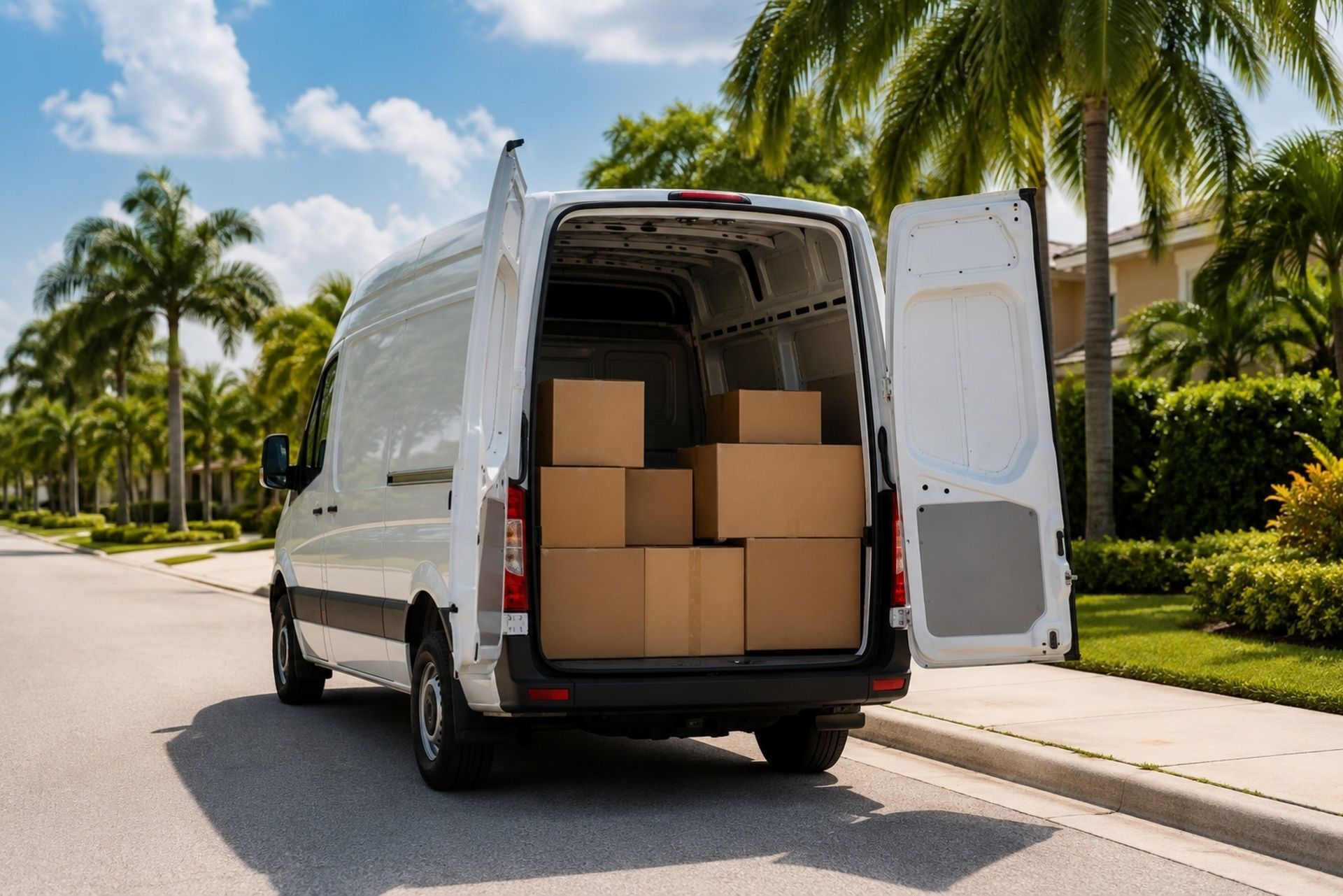
Gig platforms like DoorDash, Uber Eats, and Amazon Flex have created a gray area in insurance coverage. Most platforms provide some insurance while the app is active, but the coverage is limited and conditional. You're typically covered only during specific phases of a delivery, such as after you've accepted an order and are en route.
The catch is that coverage gaps exist between orders, during the period when your app is on but you haven't accepted a job. Some carriers now offer hybrid policies designed for side-hustle drivers that bridge this gap without requiring a full commercial policy.
Food Delivery vs. Package Logistics
Food delivery and package logistics carry different risk profiles, and insurers price them accordingly. Food delivery drivers tend to make more stops per hour in congested urban areas, increasing fender-bender frequency. Package logistics drivers often carry heavier loads over longer distances, raising the severity of potential claims.
If you're running a dedicated package delivery route, insurers may require higher cargo coverage limits. Food delivery drivers, on the other hand, rarely need cargo insurance but should prioritize higher liability limits due to the frequency of residential stops. Your
commercial auto insurance cost in Florida will reflect these distinctions, so be specific about your delivery type when requesting quotes.
Common Questions About Insuring Your Delivery Business
Does my personal car insurance cover DoorDash in Florida?
No. Most personal auto policies exclude coverage during commercial delivery activity. DoorDash provides limited liability coverage while you're on an active delivery, but it won't cover your own vehicle damage. You need either a commercial policy or a rideshare/delivery endorsement added to your personal policy.
How much does a commercial policy cost in Florida?
Annual premiums for a commercial auto policy in Florida typically range from $3,500 to $8,000 or more, depending on your driving record, vehicle type, delivery radius, and coverage limits. Drivers with clean records and newer vehicles tend to fall on the lower end. Gathering quotes from at least four to six carriers using identical coverage levels gives you the most accurate price comparison.
Do I need extra coverage if I use my own scooter or bike?
Yes. Scooters and bicycles used for commercial delivery aren't covered under standard auto policies. You'll need a separate commercial policy or a specialized endorsement. Some Florida insurers offer affordable policies for two-wheeled delivery vehicles, but options are more limited than for cars and vans.
What happens if I have an accident while the app is off?
If your delivery app is off and you're driving for personal reasons, your personal auto policy should cover the accident as it normally would. The complication arises if the app is on but you haven't accepted an order. During that waiting period, neither your personal insurer nor the platform may accept the claim. A delivery endorsement or commercial policy eliminates this gap.
Making the Right Choice for Your Florida Route
Picking the right insurance for your delivery work isn't about finding the cheapest premium. It's about matching your coverage to the specific risks you face every time you start your vehicle. A part-time DoorDash driver needs different protection than someone operating a five-van courier service across Central Florida.
Start by auditing your current policy. Call your insurer and ask directly whether your delivery activity is covered. If it isn't, and it probably isn't, get quotes for commercial auto coverage, an HNOA endorsement if you use contractors, and general liability if you interact with customer property. The Florida insurance market in 2026 is more competitive than it's been in years, so shopping aggressively will pay off.
Work with an independent agent who can compare multiple carriers rather than a captive agent tied to one company. Independent agents familiar with Florida delivery insurance can identify discounts you'd miss on your own, such as telematics programs like Snapshot or Drive Safe & Save that reward safe driving habits with lower premiums. These usage-based programs track braking, speed, and mileage, and they're particularly valuable for drivers who maintain disciplined habits on the road.
Your path forward is straightforward: identify your gaps, get multiple quotes with identical coverage levels, and secure a policy before your next delivery. Every mile you drive uninsured or underinsured is a risk you don't need to take.
About The Author:
Evan Marcotte
As an Auto Insurance Specialist at 5-Star Insurance, I’m passionate about helping drivers get the protection they need with speed, clarity, and confidence. My goal is to make every policy simple to understand and every client fully supported — from quote to claim.
Menu Pop-Up
Real Reviews from Florida Drivers
At 5-Star Insurance, we help drivers across Florida get insured quickly and affordably even in challenging situations. Whether it’s handling SR-22 and FR-44 filings or finding the most budget-friendly policy, our clients count on us to make the process fast, simple, and stress-free. Here’s what some of them have shared

Coverage Tailored to Your Needs
We specialize in essential auto insurance products for Florida drivers:
Auto Insurance
Standard auto coverage for Florida drivers, including liability, comprehensive, and collision options.
Commercial Auto Insurance
Protection for vehicles used for business and commercial purposes.
Liability-Only Auto Insurance
Basic, affordable coverage meeting Florida’s minimum requirements.
SR-22 Insurance
Required filing for drivers needing to reinstate their license after violations.
Motorcycle Insurance
Affordable insurance for motorcycles, scooters, and similar vehicles.
Clear Answers to Your Auto Insurance Questions
At 5-Star Insurance, we make sure every driver understands their options. Whether you are dealing with a suspension, DUI, or just need affordable coverage, we are here to help you get back on the road with confidence.
Stay Informed with Our Latest Articles
Gain insights to make smarter decisions about your insurance coverage:
Check out Our Latest Videos
Quick clips to keep you up to date on SR22 and FR44 insights and news
Contact Us
