

Not everyone who drives owns a car. Maybe you sold yours after a DUI conviction, or perhaps you rely on rentals and borrowed vehicles to get around. Either way, driving without insurance in Virginia is a risk you can't afford to take. The Commonwealth is one of the few states that allows you to pay an uninsured motor vehicle fee, but that fee doesn't provide any actual coverage if you cause an accident.
A non-owned auto insurance policy fills that gap, giving you liability protection when you're behind the wheel of someone else's vehicle. This guide to Virginia
non-owned vehicle liability insurance, its coverage details, and its costs will help you understand exactly what you're buying, what it costs, and whether you need it. If you're carrying an
SR-22 or FR-44 filing, this type of policy is often the most practical path to restoring your driving privileges. Rates vary depending on your history, your location within the Commonwealth, and the insurer you choose, so understanding the pricing factors is just as important as knowing the coverage itself. Whether you're a frequent renter or someone working toward
license reinstatement, the right
non-owner policy protects both your finances and your legal standing.
Understanding Non-Owned Auto Insurance in Virginia
A non-owned auto insurance policy provides liability coverage for drivers who don't own a vehicle but still operate one regularly. It covers damages and injuries you cause to others while driving a car you don't own, such as a rental, a friend's vehicle, or a car-share. The policy follows you as the driver rather than being attached to a specific vehicle. It does not cover the car itself or your own injuries beyond certain optional add-ons.
Who Needs a Non-Owner Policy?
The most common candidates are drivers who need to file an SR-22 or FR-44 certificate with the Virginia DMV but don't own a car. If your license was suspended due to a DUI, reckless driving conviction, or accumulation of too many points, Virginia typically requires proof of financial responsibility before reinstatement. A non-owner policy satisfies that requirement.
You might also need this coverage if you frequently borrow vehicles from family or friends. Their insurance is primary, but if your accident exceeds their policy limits, you'd be personally liable for the difference. Rideshare drivers between gigs, business travelers who rent cars often, and anyone who occasionally drives but doesn't want the cost of a standard auto policy are all good candidates.
Virginia State Minimum Liability Requirements
Effective January 1, 2025, Virginia's minimum liability limits increased to $50,000 for bodily injury per person, $100,000 per accident, and $25,000 for property damage. These are commonly written as 50/100/25. Your non-owner policy must meet or exceed these minimums to satisfy state law.
One thing to keep in mind: these are floor amounts. If you cause an accident resulting in $80,000 in medical bills for a single person and you only carry $50,000 in coverage, you're personally responsible for the remaining $30,000. Many insurance professionals recommend carrying at least 100/300/50 if your budget allows it.
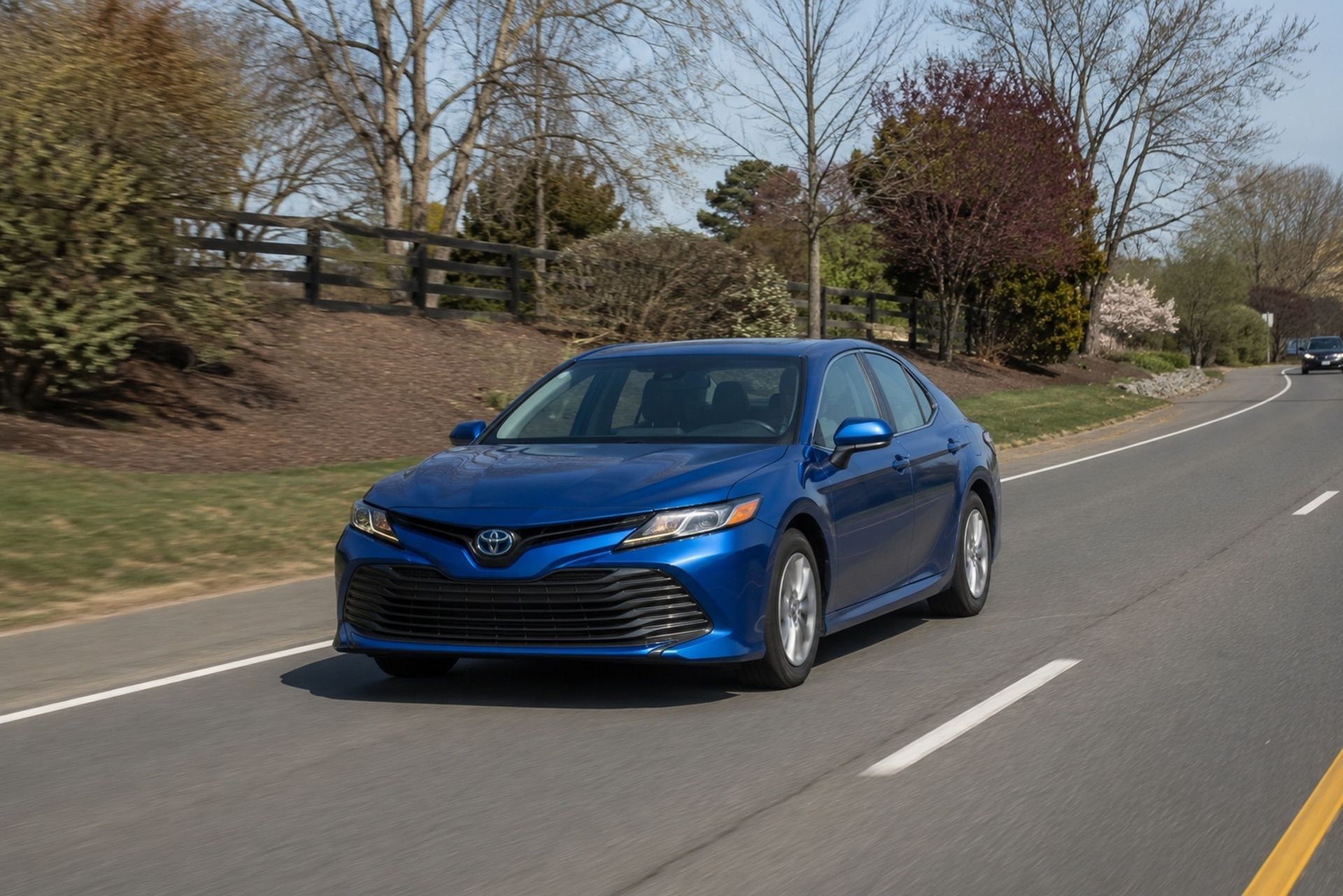

Non-owner policies in Virginia typically start with liability coverage, but several optional protections can round out your policy depending on your risk tolerance and driving habits.
Liability for Property Damage and Bodily Injury
This is the core of any non-owner policy. Bodily injury liability pays for medical expenses, lost wages, and legal costs if you injure someone in an accident. Property damage liability covers repairs or replacement of the other driver's vehicle, fencing, buildings, or anything else you damage. These two components are mandatory under Virginia law and form the basis of your policy premium.
Uninsured and Underinsured Motorist Protection
Virginia requires insurers to offer uninsured motorist (UM) and underinsured motorist (UIM) coverage. You can reject it in writing, but doing so leaves you exposed. Roughly
12% of Virginia drivers are uninsured, meaning there's a real chance the person who hits you can't pay for your injuries. UM/UIM coverage steps in when the at-fault driver has no insurance or insufficient limits to cover your damages.
Medical Payments (MedPay) in Virginia
MedPay is an optional add-on that covers your own medical expenses after an accident, regardless of who was at fault. It typically ranges from $1,000 to $10,000 in coverage and pays for hospital visits, X-rays, surgery, and even funeral costs. Since Virginia is a tort state rather than a no-fault state, you don't carry Personal Injury Protection (PIP). MedPay serves as the closest equivalent and can be a smart addition if you lack robust health insurance.
Average Costs and Pricing Factors
Non-owner auto insurance is generally less expensive than a standard auto policy because the insurer assumes you're driving less frequently. Annual premiums in Virginia typically range from $300 to $900, though drivers with SR-22 or FR-44 requirements often pay toward the higher end of that spectrum or beyond.
How Driving History Impacts Virginia Rates
Your driving record is the single biggest factor in your premium. A clean record with no violations might land you a policy around $250 to $400 per year. A DUI conviction, on the other hand, can push your annual cost above $1,000. Multiple at-fault accidents, reckless driving charges, and license suspensions all signal higher risk to insurers.
| Driver Profile | Estimated Annual Cost | Key Factor |
|---|---|---|
| Clean record, no filing | $250 - $400 | Low risk |
| Minor violations (speeding) | $400 - $600 | Moderate risk |
| SR-22 filing required | $600 - $900 | Prior suspension or lapse |
| FR-44 filing (DUI/DWI) | $900 - $1,500+ | Mandatory higher limits |
That said, rates vary significantly between carriers. Gathering quotes from at least four to six different insurers using identical coverage levels is the best way to ensure you're getting an accurate comparison. National carriers like Progressive, Dairyland, and Bristol West are known for writing high-risk policies, but a local independent agent can often compare multiple options faster.
Comparison of Regional Costs Across the Commonwealth
Where you live in Virginia affects your rate. Drivers in Northern Virginia, Richmond, and Virginia Beach tend to pay more due to higher traffic density and accident frequency. Rural areas like the Shenandoah Valley or Southwest Virginia generally see lower premiums. The difference can be 10% to 25% depending on the zip code, so your location matters more than you might expect.
SR-22 and FR-44 Filings for Virginia Drivers
Virginia is one of only two states that uses both SR-22 and FR-44 filings, and the distinction between them is critical.
Restoring Driving Privileges Without a Vehicle
An SR-22 is a certificate of financial responsibility your insurer files with the Virginia DMV on your behalf. It's typically required after license suspensions related to driving without insurance, excessive points, or certain traffic offenses. A non-owner policy with an SR-22 endorsement satisfies the DMV's requirement without forcing you to insure a vehicle you don't own.
The filing period in Virginia is generally three years, and any lapse in coverage triggers an automatic notification to the DMV. If your policy cancels or lapses even for a single day, your license can be re-suspended, and the three-year clock may reset entirely. Maintaining continuous coverage without interruption is essential.
Increased Liability Limits for FR-44 Compliance
The FR-44 filing is specific to DUI and DWI convictions in Virginia. Here's what that means for you: instead of carrying the state minimum of 50/100/25, an FR-44 requires you to carry liability limits of $100,000 per person, $300,000 per accident, and $40,000 for property damage. These elevated limits remain in effect for three years from the date of license reinstatement.
Because the coverage amounts are significantly higher, FR-44 policies cost more than SR-22 policies. Expect to pay 30% to 60% more for the same driving profile. Carriers like Progressive and The General are among those that write
FR-44 non-owner policies in Virginia, but shopping through an independent agent remains the most efficient approach.
Key Policy Exclusions and Limitations
Non-owner policies come with boundaries you should understand before purchasing. They don't cover any vehicle titled in your name or registered to your household. If you regularly drive a specific car, such as a spouse's vehicle, the insurer may deny a claim because that vehicle should be listed on a standard policy instead.
Comprehensive and collision coverage are not available on non-owner policies. If you damage the car you're driving, the vehicle owner's insurance handles repairs, not yours.
Business use is another common exclusion: if you're delivering food or driving for a rideshare company, your non-owner policy likely won't cover accidents during those activities. Commercial non-owned auto coverage is a separate product designed for that purpose.
How to Purchase Non-Owner Coverage in Virginia
Buying a non-owner policy is straightforward, but preparation speeds up the process considerably.
Required Documentation and Personal Information
You'll need your Virginia driver's license number, your driving history (or permission for the insurer to pull your motor vehicle report), and details about any court-ordered filings like SR-22 or FR-44. If your license is currently suspended, you'll typically need to confirm the reinstatement requirements with the DMV before an insurer will issue the policy.
Most carriers allow you to purchase non-owner coverage online or over the phone. Independent agents are particularly helpful if you have a complicated driving history because they can shop multiple carriers simultaneously.
Tips for Bundling and Discounts
Some carriers offer discounts if you bundle your non-owner policy with renters insurance or another product. Completing a Virginia-approved defensive driving course can reduce your premium by up to 5% with certain insurers and may also remove demerit points from your record.
Telematics programs are less common on non-owner policies, but a few carriers do offer usage-based options. Progressive's Snapshot program, for example, monitors braking patterns and driving frequency through a mobile app. The trade-off is sharing your driving data with the insurer, but the potential savings of 10% to 20% can be meaningful for safe drivers.
Paying your premium in full rather than monthly installments also saves money. Most carriers charge installment fees of $3 to $10 per month, which adds $36 to $120 annually for no additional coverage.
Frequently Asked Questions
Does non-owner insurance cover rental cars? Yes. Your non-owner liability policy applies when you drive a rental, so you can typically decline the rental company's liability coverage. It won't cover damage to the rental car itself, though.
Can I get non-owner insurance with a suspended license? You can purchase the policy, but your license won't be reinstated until the insurer files the required SR-22 or FR-44 with the Virginia DMV and you pay any outstanding reinstatement fees.
Will non-owner insurance help build a coverage history? Yes. Maintaining continuous non-owner coverage counts toward your insurance history, which can lower your rates when you eventually purchase a standard auto policy.
Is Virginia's uninsured motorist fee a substitute for insurance? No. The $500 annual fee allows you to register an uninsured vehicle, but it provides zero coverage. You'd be personally liable for all damages in an accident.
How quickly can I get a non-owner policy in Virginia? Most carriers can issue a policy the same day you apply. SR-22 and FR-44 filings are typically transmitted to the DMV electronically within 24 to 48 hours.
Your Path Forward
A Virginia non-owned vehicle liability insurance policy is one of the most affordable ways to stay legal on the road when you don't own a car. Whether you need it for an SR-22 or FR-44 filing or simply want protection while borrowing vehicles, the coverage is straightforward and widely available.
Start by checking your DMV reinstatement requirements if applicable, then request quotes from at least four to six carriers with identical coverage levels. Work with an independent agent if your driving history is complicated, as they can access markets you won't find through direct online quotes alone. Don't let a coverage lapse derail your progress: set up automatic payments and treat your policy as non-negotiable until your filing period ends. The cost of maintaining coverage is always less than the cost of starting over.
About The Author:
Evan Marcotte
As an Auto Insurance Specialist at 5-Star Insurance, I’m passionate about helping drivers get the protection they need with speed, clarity, and confidence. My goal is to make every policy simple to understand and every client fully supported — from quote to claim.
Menu Pop-Up
Real Reviews from Florida Drivers
At 5-Star Insurance, we help drivers across Florida get insured quickly and affordably even in challenging situations. Whether it’s handling SR-22 and FR-44 filings or finding the most budget-friendly policy, our clients count on us to make the process fast, simple, and stress-free. Here’s what some of them have shared

Coverage Tailored to Your Needs
We specialize in essential auto insurance products for Florida drivers:
Auto Insurance
Standard auto coverage for Florida drivers, including liability, comprehensive, and collision options.
Commercial Auto Insurance
Protection for vehicles used for business and commercial purposes.
Liability-Only Auto Insurance
Basic, affordable coverage meeting Florida’s minimum requirements.
SR-22 Insurance
Required filing for drivers needing to reinstate their license after violations.
Motorcycle Insurance
Affordable insurance for motorcycles, scooters, and similar vehicles.
Clear Answers to Your Auto Insurance Questions
At 5-Star Insurance, we make sure every driver understands their options. Whether you are dealing with a suspension, DUI, or just need affordable coverage, we are here to help you get back on the road with confidence.
Stay Informed with Our Latest Articles
Gain insights to make smarter decisions about your insurance coverage:
Check out Our Latest Videos
Quick clips to keep you up to date on SR22 and FR44 insights and news
Contact Us
