

Running a delivery fleet in Virginia means dealing with a unique mix of state regulations, federal mandates, and an insurance market shaped by the state's dense urban corridors and rural stretches alike. Whether you operate a
single box truck or manage a fleet of 20 vehicles, understanding your coverage obligations and cost drivers is the first step toward protecting your business. Virginia's insurance requirements differ from many neighboring states, and the penalties for non-compliance can shut down operations fast. This guide offers practical Virginia
delivery truck insurance coverage and cost insights to help you make informed decisions, avoid common mistakes, and keep premiums manageable. You'll find specific figures, coverage comparisons, and strategies drawn from real-world fleet management experience rather than generic advice.
Virginia Commercial Insurance Requirements for Delivery Vehicles
Virginia stands out as one of the few states where you can technically operate an uninsured personal vehicle by paying a $500 uninsured motorist fee. That option does not extend to commercial delivery trucks. Every commercial vehicle operating in the state must carry active liability insurance, and the requirements vary based on vehicle weight, cargo type, and whether you cross state lines.
State Minimum Liability Limits
Virginia mandates
minimum liability coverage for commercial vehicles that exceeds personal auto thresholds. For trucks with a gross vehicle weight rating (GVWR) under 26,001 pounds operating intrastate, the state requires at least $750,000 in combined single-limit liability. Vehicles hauling hazardous materials face even steeper minimums. The catch is that these minimums often fall short of what a serious accident actually costs. A single multi-vehicle crash on I-95 near Fredericksburg can produce claims well beyond $750,000, leaving you personally exposed for the difference.
FMCSA Regulations for Interstate Commerce
If your delivery trucks cross into Maryland, West Virginia, or any other state, Federal Motor Carrier Safety Administration rules apply. The FMCSA requires a minimum of $750,000 in liability for general freight carriers and $5,000,000 for hazardous material haulers. You'll also need a valid USDOT number and, for for-hire carriers, MC operating authority. One thing to keep in mind: FMCSA compliance isn't optional even if you only make occasional interstate runs. A single delivery across state lines triggers the full scope of federal insurance requirements.
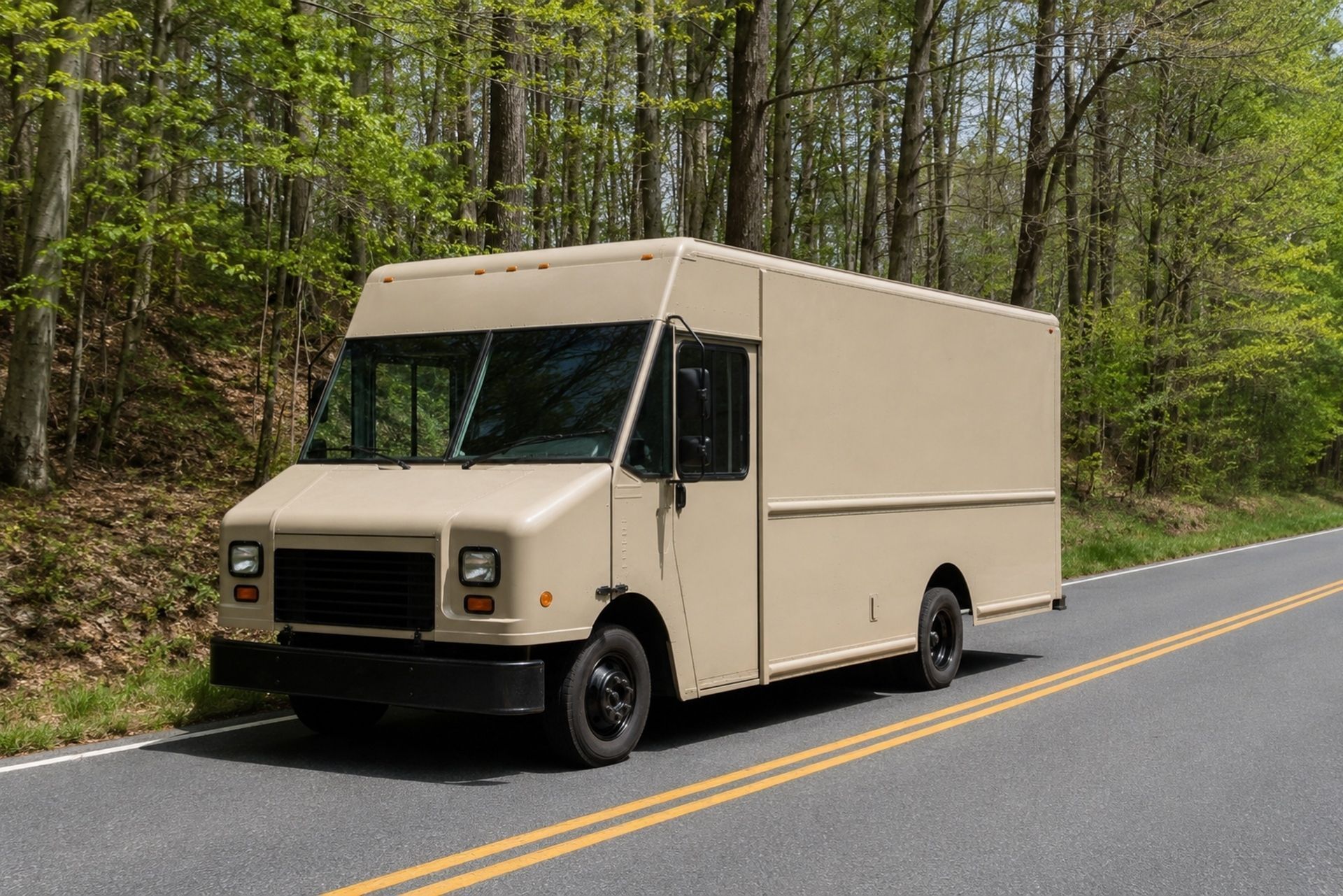

Essential Coverage Types for Delivery Fleets
Liability insurance gets you legal, but it won't cover your cargo, your truck, or your employees. A comprehensive policy for a Virginia delivery operation typically layers several coverage types together.
Motor Truck Cargo Insurance
Cargo insurance protects the goods you're hauling if they're damaged, stolen, or destroyed during transit. Standard policies cover losses from accidents, fire, and theft, but exclusions vary widely. Perishable goods, electronics, and high-value freight often require endorsements or specialized policies. Most Virginia-based delivery companies carry between $50,000 and $250,000 in cargo coverage, depending on what they transport. If you're hauling a client's $100,000 medical equipment shipment and your truck is involved in a collision, your general liability policy won't cover the destroyed cargo.
General Liability and Physical Damage
General liability covers third-party bodily injury and property damage claims that arise from your business operations, not just vehicle accidents. Physical damage coverage, which includes both collision and comprehensive, pays to repair or replace your own trucks. For a fleet of newer delivery vehicles, skipping physical damage coverage is a costly gamble. A single total loss on a $65,000 truck without coverage could cripple a small operation's cash flow overnight.
Non-Owned and Hired Auto Coverage
Many delivery businesses supplement their fleets with rented vehicles during peak seasons or use
independent contractors who drive their own trucks. Non-owned and hired auto coverage fills the gap when an accident involves a vehicle your company doesn't own but was using for business purposes. This coverage is frequently overlooked, and it's one of the most common gaps we see in delivery fleet policies.
Your premium isn't a random number. Insurers weigh specific variables, and understanding them gives you real control over what you pay.
Vehicle Type and Cargo Risk Profile
A Class 3 cargo van hauling packaged consumer goods presents a very different risk than a Class 7 straight truck carrying refrigerated food. Heavier vehicles cause more damage in accidents, and certain cargo types, like alcohol or pharmaceuticals, carry higher theft and liability exposure. Insurers also look at the age and condition of your vehicles. Trucks older than 10 years often cost more to insure because they lack modern safety features and are more prone to mechanical failure.
Driver Experience and Motor Vehicle Records
Your drivers' records are one of the single biggest premium factors. A fleet where every driver has a clean MVR and at least three years of
commercial driving experience will pay significantly less than one employing drivers with recent at-fault accidents or moving violations. Virginia's point system assigns demerit points for
traffic violations, and insurers pull these records during underwriting. Even one
DUI on a driver's record can increase your fleet premium by 25% to 40%.
Operating Radius and Local Traffic Patterns
A delivery company operating within a 50-mile radius of Richmond faces different risks than one running routes through the Hampton Roads tunnel system or Northern Virginia's congested corridors. Insurers assess your primary operating territory, and urban routes with heavy traffic, frequent stops, and higher accident density command higher premiums. Fleets that stick to rural or suburban routes in areas like the Shenandoah Valley often see lower rates for the same coverage levels.
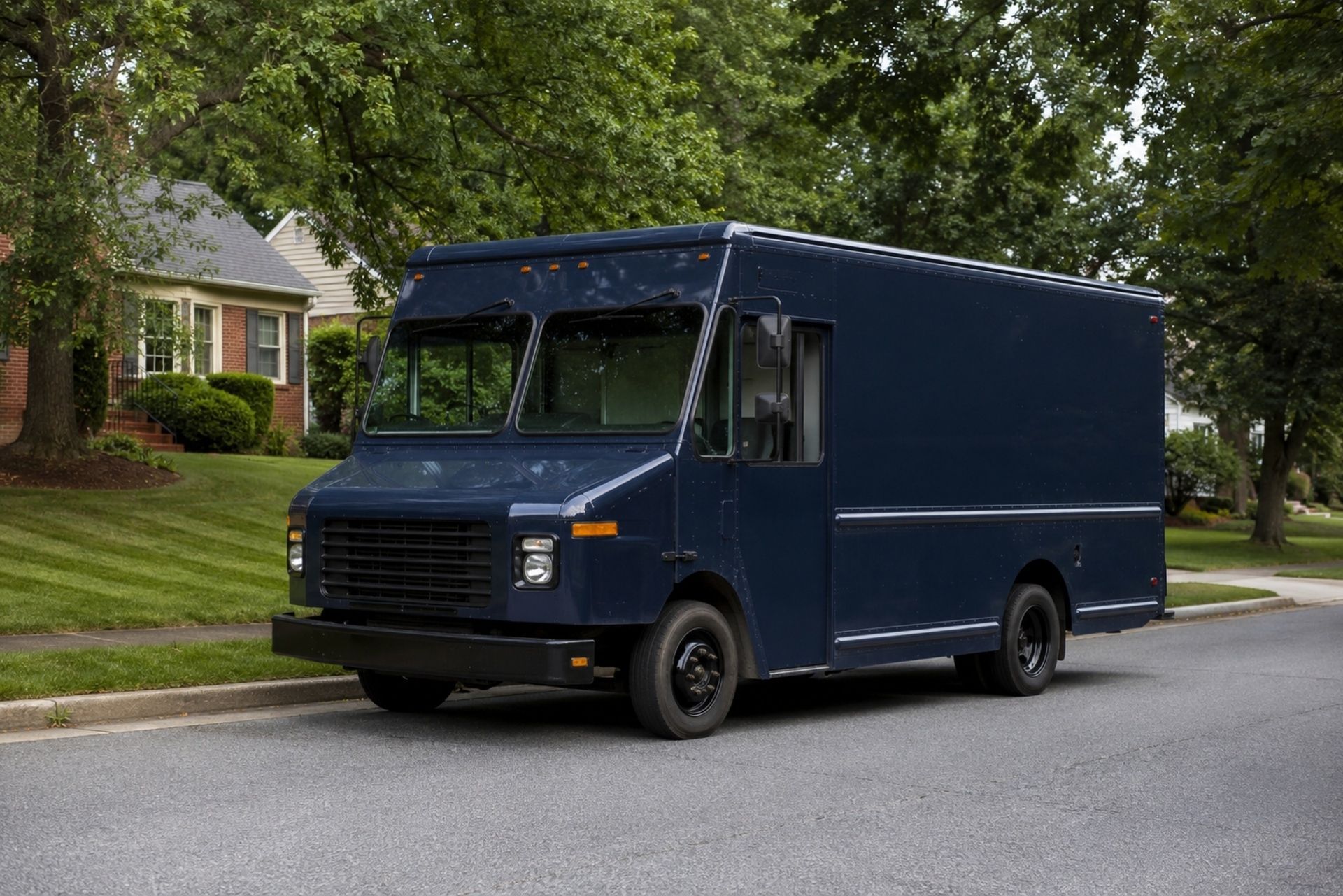
Average Cost Estimates for Virginia Delivery Trucks
Cost varies widely, but concrete ranges help with budgeting. For-hire owner-operators in Virginia with their own authority typically pay between $12,000 and $19,000 per year for a comprehensive policy on a single truck. That figure covers liability, physical damage, and cargo insurance at standard limits.
Here's a comparison of typical annual costs by truck class and coverage level:
| Coverage Type | Light Duty (Class 3-4) | Medium Duty (Class 5-6) | Heavy Duty (Class 7-8) |
|---|---|---|---|
| Liability Only | $4,000 - $7,500 | $6,500 - $10,000 | $9,000 - $14,000 |
| Liability + Physical Damage | $6,500 - $11,000 | $9,000 - $15,000 | $13,000 - $20,000 |
| Full Coverage (incl. Cargo) | $8,000 - $14,000 | $12,000 - $19,000 | $16,000 - $25,000 |
These figures reflect 2026 Virginia market conditions. Fleets with five or more vehicles often qualify for fleet discounts that can reduce per-vehicle costs by 10% to 15%. On the flip side, new businesses without established loss histories typically pay at the higher end of these ranges for their first two to three policy years.
Strategies to Reduce Delivery Truck Insurance Costs
Premium reduction isn't about cutting corners on coverage. It's about presenting your business as a lower risk to underwriters.
Implementing Safety Programs and Telematics
Telematics devices track driving behaviors like hard braking, speeding, rapid acceleration, and idle time. Programs like Progressive's Snapshot for commercial vehicles and State Farm's Drive Safe & Save provide data that can directly lower premiums when your drivers demonstrate safe habits. The privacy trade-off is real: these devices transmit continuous location and driving data to your insurer. Most fleet owners find the 8% to 15% premium savings worth it, but you should understand exactly what data is being collected and how it's stored.
Beyond telematics, formal safety programs make a measurable difference. Regular driver training, pre-trip vehicle inspections, and documented safety meetings signal to insurers that you're actively managing risk. Some Virginia insurers offer specific discounts for fleets that complete
approved defensive driving courses through the Virginia DMV's driver improvement program.
Optimizing Deductibles and Coverage Limits
Raising your collision deductible from $1,000 to $2,500 can reduce your physical damage premium by 15% to 20%. That said, you need cash reserves to cover the higher out-of-pocket cost if a claim occurs. A common mistake is setting deductibles so high that a single incident creates a cash flow crisis. The right balance depends on your fleet size and financial reserves.
You should also review your coverage limits annually. Many fleet owners carry the same limits they selected when they first started, even after their operations have changed. If you've downsized your fleet or shifted to lower-value cargo, you may be over-insured. Conversely, if you've added higher-value routes, your existing limits might leave you exposed. Gathering quotes from at least four to six different carriers, using identical coverage levels, gives you an accurate picture of where your current policy sits relative to the market.
Securing the Right Policy for Your Virginia Business
Finding the right delivery truck insurance policy in Virginia requires more than picking the cheapest quote. Your coverage needs to match your actual operations, including your routes, cargo types, fleet size, and growth plans. Working with a local independent agent who specializes in commercial auto insurance gives you access to multiple carriers in a single conversation, and they understand Virginia-specific requirements that national call centers often miss.
Review your policy at least once a year, particularly if you've added vehicles, hired new drivers, or expanded your delivery territory. A policy that fit your business 18 months ago may have gaps today. The insights on Virginia delivery truck insurance costs and coverage outlined here should give you a solid foundation, but every fleet is different. Get specific quotes based on your actual operations, compare them carefully, and don't sacrifice critical coverage to save a few hundred dollars per truck.
Your path forward starts with an honest assessment of your current coverage. Pull out your declarations page, compare it against the coverage types and limits discussed above, and identify any gaps. Then reach out to an independent agent for competitive quotes. Protecting your fleet properly isn't just a regulatory requirement: it's what keeps your business running when something goes wrong.
Frequently Asked Questions
Does my DoorDash or Amazon Flex coverage replace commercial auto insurance? No. Platform-provided coverage only applies during active delivery windows and typically carries deductibles of $1,000 to $2,500. You need your own commercial policy for full protection.
Can I add a commercial endorsement to my personal auto policy instead? Some insurers offer a "business use" endorsement, but these are designed for occasional business driving, not full-time courier work. Most won't cover regular delivery operations.
What is an SR-22, and does it affect courier insurance? An SR-22 is a certificate of financial responsibility that Virginia requires after certain violations like DUI or driving uninsured. It's not a separate policy but a filing your insurer makes on your behalf. An FR-44, specific to Virginia, requires higher liability limits of $50,000/$100,000/$40,000 and applies after DUI convictions. Both filings increase your premiums significantly.
How many quotes should I get before choosing a policy? Aim for four to six quotes using identical coverage levels. Rates for the same driver and vehicle can vary by 40% or more between carriers.
Do I need cargo insurance if I only deliver documents? It depends on the value of what you're carrying. Legal documents, medical records, and financial paperwork can carry significant replacement or liability costs if lost or damaged.
About The Author:
Evan Marcotte
As an Auto Insurance Specialist at 5-Star Insurance, I’m passionate about helping drivers get the protection they need with speed, clarity, and confidence. My goal is to make every policy simple to understand and every client fully supported — from quote to claim.
Menu Pop-Up
Real Reviews from Florida Drivers
At 5-Star Insurance, we help drivers across Florida get insured quickly and affordably even in challenging situations. Whether it’s handling SR-22 and FR-44 filings or finding the most budget-friendly policy, our clients count on us to make the process fast, simple, and stress-free. Here’s what some of them have shared

Coverage Tailored to Your Needs
We specialize in essential auto insurance products for Florida drivers:
Auto Insurance
Standard auto coverage for Florida drivers, including liability, comprehensive, and collision options.
Commercial Auto Insurance
Protection for vehicles used for business and commercial purposes.
Liability-Only Auto Insurance
Basic, affordable coverage meeting Florida’s minimum requirements.
SR-22 Insurance
Required filing for drivers needing to reinstate their license after violations.
Motorcycle Insurance
Affordable insurance for motorcycles, scooters, and similar vehicles.
Clear Answers to Your Auto Insurance Questions
At 5-Star Insurance, we make sure every driver understands their options. Whether you are dealing with a suspension, DUI, or just need affordable coverage, we are here to help you get back on the road with confidence.
Stay Informed with Our Latest Articles
Gain insights to make smarter decisions about your insurance coverage:
Check out Our Latest Videos
Quick clips to keep you up to date on SR22 and FR44 insights and news
Contact Us
