

Running a food truck in Virginia means balancing tight margins against real risk. A grease fire, a customer's allergic reaction, or a fender bender on the way to a festival can each threaten your entire operation. Virginia food trucks
earn a median annual revenue of approximately $380,163 per unit, but a single uninsured claim can erase years of that income overnight. Understanding your insurance coverage options and the costs tied to them isn't optional; it's the difference between recovering from a setback and closing your serving window for good.
This guide breaks down what Virginia food truck operators actually need, what you should expect to pay, and how to keep those premiums from eating into your profits. Whether you're launching your first truck or renewing a policy for your third season, the insights here are built around Virginia's specific regulatory environment and the realities of mobile food service in 2026.
Essential Insurance Policies for Virginia Food Trucks
General Liability and Product Liability
General liability insurance is the foundation of any food truck insurance package. It covers third-party bodily injury and property damage claims, such as a customer slipping on a wet surface near your truck or your awning damaging a neighboring vendor's setup. Most Virginia events and commissary kitchens require proof of general liability with minimum limits of $1 million per occurrence and $2 million aggregate.
Product liability is a distinct but closely related coverage. It protects you specifically against claims arising from the food you serve. If a customer suffers food poisoning or an allergic reaction to an undisclosed ingredient, product liability responds to the resulting medical bills and legal costs. Some insurers bundle general and product liability into a single policy, while others write them separately. Always confirm that your policy explicitly includes product liability, because a standard general liability form doesn't always cover food-related illness claims.
Commercial Auto and Inland Marine Coverage
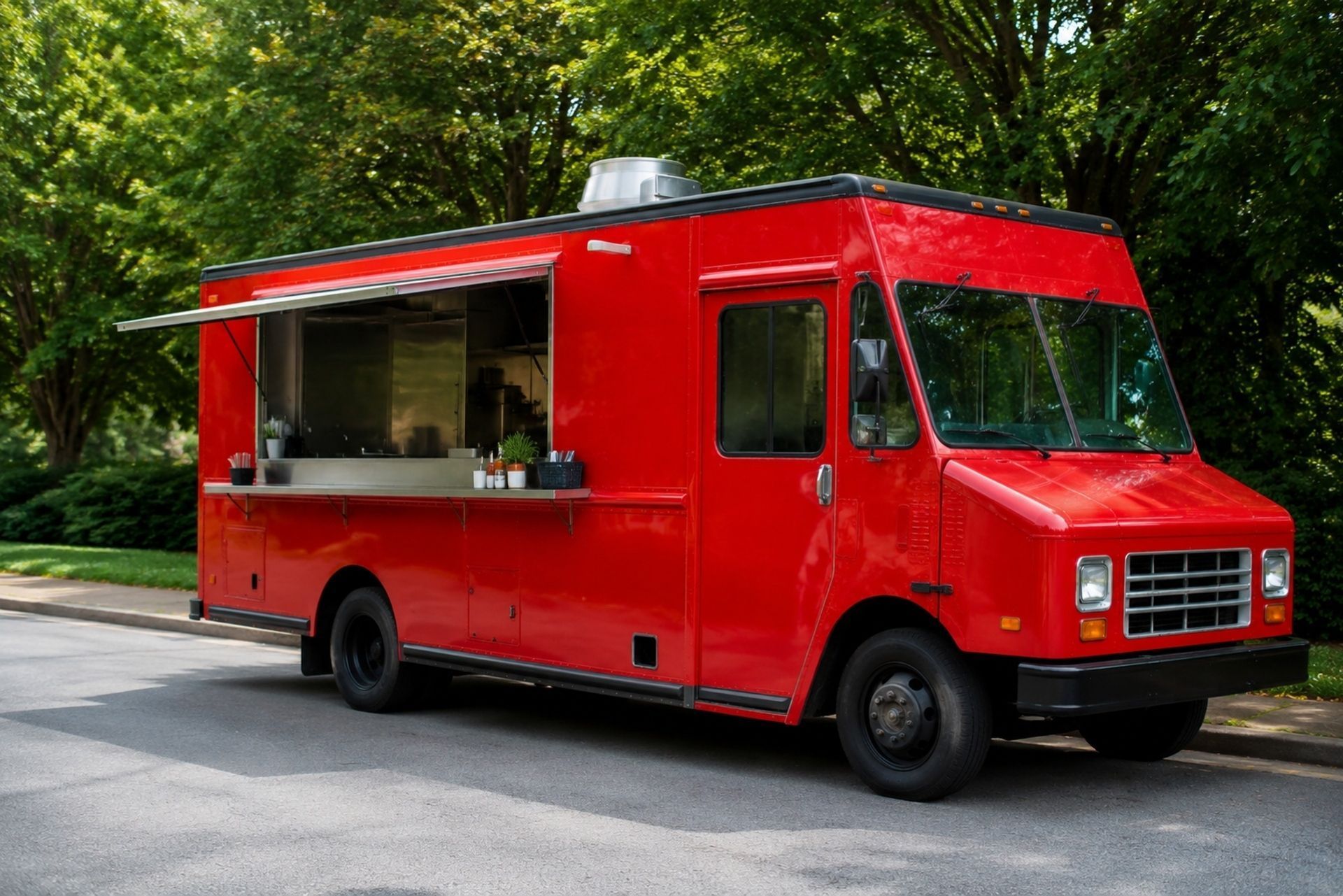
Your food truck is both a vehicle and a commercial kitchen, which creates a coverage gap that personal auto insurance won't fill. Virginia requires all registered vehicles to carry minimum liability limits of $30,000 per person and $60,000 per accident for bodily injury, plus $20,000 for property damage. A commercial auto policy meets those minimums and extends to cover collision, comprehensive, and uninsured motorist protection for a vehicle used in business operations.
Inland marine coverage is one of those policies many new operators overlook. It protects your cooking equipment, refrigeration units, point-of-sale systems, and inventory while they're in transit or stored off-site. Standard commercial property policies often exclude items that move between locations. If your $15,000 flat-top grill is damaged in a highway accident, inland marine is the policy that pays for its replacement.
Virginia Workers' Compensation Requirements
Virginia law mandates workers' compensation insurance for any business with three or more employees, including part-time staff. If you run a two-person truck with yourself and one employee, you're technically exempt, but adding a third person for a busy festival weekend triggers the requirement immediately.
Workers' comp covers medical expenses and lost wages for employees injured on the job. Burns, cuts, and slip-and-fall injuries are common in food truck kitchens. The catch is that failing to carry required workers' comp in Virginia can result in fines up to $250 per day of noncompliance, and you become personally liable for any workplace injuries during that gap.

Average Cost Benchmarks for Virginia Operators
Monthly and Annual Premium Estimates
Virginia food truck insurance costs vary widely based on your coverage selections, but here are realistic benchmarks for 2026:
| Coverage Type | Annual Estimate | Monthly Estimate |
|---|---|---|
| General/Product Liability | $1,200 - $3,000 | $100 - $250 |
| Commercial Auto | $2,400 - $4,800 | $200 - $400 |
| Inland Marine | $300 - $800 | $25 - $67 |
| Workers' Compensation | $800 - $2,500 | $67 - $208 |
| Total (Bundled BOP) | $3,500 - $8,000 | $292 - $667 |
These figures assume a single truck with one to three employees operating in a mid-sized Virginia market. Operators in Northern Virginia or Virginia Beach typically pay toward the higher end due to traffic density and higher claim frequency in those areas.
Deductibles vs. Coverage Limits
Choosing between a $500 and a $2,500 deductible can shift your annual premium by 10% to 20%. A higher deductible lowers your monthly cost but increases your out-of-pocket expense when you file a claim. For a food truck with thin cash reserves, a $2,500 deductible on commercial auto could be painful after even a minor collision.
One thing to keep in mind: coverage limits matter just as much as deductibles. A $500,000 general liability limit might seem adequate until a serious injury claim arrives. Most experienced operators carry $1 million per occurrence because the premium difference between $500,000 and $1 million is often only $200 to $400 per year, a small price for significantly better protection.
Location and Operating Radius within the Commonwealth
Where you park and how far you drive directly affect your rates. A food truck operating exclusively in a rural Virginia county will pay less than one that commutes daily between Richmond, Charlottesville, and Northern Virginia. Insurers assess your operating radius because more miles driven equals more exposure to accidents.
Urban locations also bring higher general liability premiums. Foot traffic density in areas like Arlington or Norfolk increases the probability of slip-and-fall claims. If you operate at multiple locations across different jurisdictions, your insurer may classify you in the highest-risk zone you serve, not the lowest.
Menu Type and Equipment Value
A truck serving cold sandwiches and bottled drinks presents a different risk profile than one operating deep fryers and open flames. Cooking with oil increases fire risk, which raises both your liability and property premiums. Trucks that serve alcohol, even at catered events, face a separate tier of liability costs entirely.
Equipment value also plays a role. A truck outfitted with $50,000 in commercial cooking equipment needs more inland marine coverage than one with $10,000 in basic gear. Your insurer will want an itemized equipment list, and keeping that list updated after upgrades prevents gaps in coverage that could leave you underinsured after a loss.
Health Department and Fire Marshal Insurance Mandates
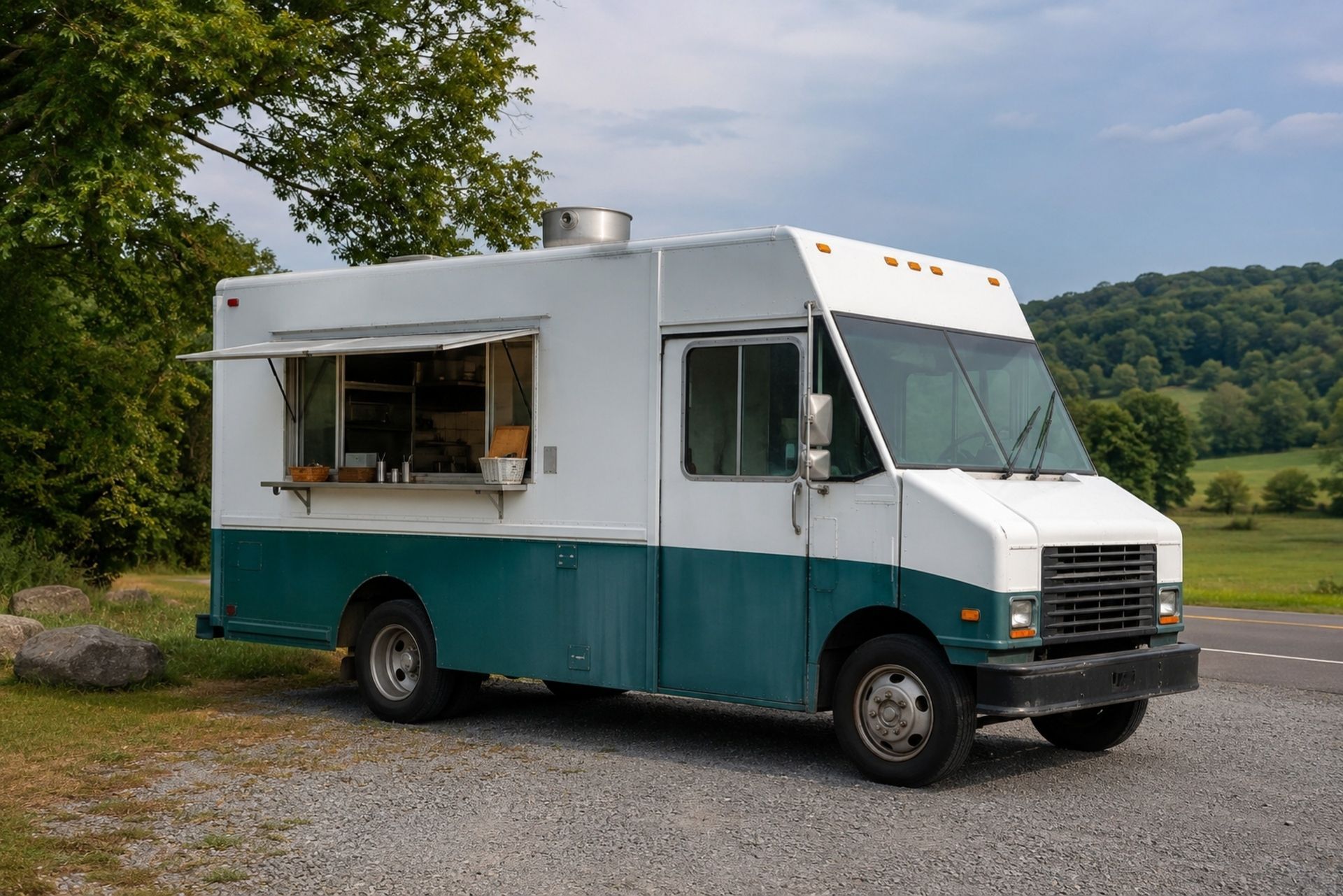
Virginia's health departments operate at the local level, meaning requirements can differ between Fairfax County and the City of Richmond. Most local health departments require proof of general liability insurance before issuing or renewing a mobile food establishment permit. Some jurisdictions also require fire suppression system certification and proof that your policy covers fire-related claims.
The Virginia fire marshal's office may inspect your truck's suppression system annually. If your system fails inspection, your insurer could add an exclusion to your policy or increase your premium until the deficiency is corrected. Staying current on inspections isn't just a regulatory box to check; it's directly tied to maintaining your coverage.
Certificate of Insurance (COI) for Events and Venues
Nearly every Virginia festival, brewery, and private venue will ask for a Certificate of Insurance before you're allowed on-site. A COI is a document your insurer issues that proves your coverage is active and lists the event organizer as an additional insured party. This protects the venue from liability if something goes wrong at your truck.
Here's what that means for you: you need an insurer that can issue COIs quickly, sometimes within 24 hours. Missing a COI deadline can cost you a lucrative event booking. Some carriers charge $25 to $50 per COI, while others include unlimited certificates in your policy. Ask about COI fees before you bind coverage, because those charges add up across a busy festival season.
Strategies to Reduce Food Truck Insurance Expenses
Safety Training and Risk Management Programs
Insurers reward operators who demonstrate proactive risk management. Completing a food safety certification like ServSafe can lower your product liability premium by 5% to 10% with some carriers. Training your staff on fire extinguisher use and burn prevention reduces workplace injury claims, which directly affects your workers' comp rates at renewal.
Installing a dash camera and maintaining a
clean driving record also helps. Some carriers offer telematics programs, similar to Progressive's Snapshot or State Farm's Drive Safe & Save, that monitor braking habits, speed, and mileage. These programs can reduce commercial auto premiums by up to 15%, though they do require sharing
driving data with your insurer. The privacy trade-off is real, but for operators with clean driving habits, the savings are meaningful.
Bundling Policies with a Business Owner's Policy (BOP)
A Business Owner's Policy bundles general liability, product liability, and commercial property (including equipment) into a single package at a lower combined premium than purchasing each policy separately. Virginia food truck operators who bundle through a BOP typically save 10% to 15% compared to standalone policies.
That said, a BOP doesn't include commercial auto or workers' compensation. You'll still need those as separate policies. Working with a local independent insurance agent gives you access to quotes from four to six different carriers using identical coverage levels, which is the only reliable way to compare pricing. National carriers like Progressive Commercial and Nationwide write food truck policies in Virginia, but an independent agent can also access specialty insurers that focus exclusively on mobile food operations.
Frequently Asked Questions
Does Virginia require food truck insurance by law? Virginia doesn't have a single state law mandating food truck insurance, but commercial auto insurance is required for any registered business vehicle. Local health departments and event venues almost universally require general liability proof before you can operate.
How much does food truck insurance cost per month in Virginia? Most Virginia operators pay between $300 and $650 per month for a comprehensive package including general liability, commercial auto, and inland marine coverage. Your specific cost depends on location, menu type, and claims history.
Can I use personal auto insurance for my food truck? No. Personal auto policies exclude vehicles used for commercial purposes. If you file a claim and your insurer discovers the vehicle was being used as a food truck, they'll deny it.
Do I need workers' comp if I only have two employees? Virginia's workers' compensation requirement kicks in at three or more employees. With fewer than three, you're not required to carry it, but you're personally liable for any workplace injuries.
What happens if I operate without a COI at an event? Most event organizers will simply turn you away. Operating without proper documentation also exposes you to breach-of-contract claims if you've signed a vendor agreement that requires insurance proof.
Your Path Forward
Protecting your Virginia food truck operation requires more than just meeting minimum state requirements. The right combination of general liability, commercial auto, inland marine, and workers' comp coverage creates a safety net that keeps you serving through setbacks instead of shutting down because of them.
Start by requesting quotes from at least four carriers using identical coverage levels so you're comparing real numbers. Work with an independent agent familiar with Virginia's food truck insurance landscape, someone who understands local health department requirements and can issue COIs on short notice. Review your policy annually, especially after equipment upgrades or changes in your operating territory.
Your truck represents thousands of hours of work and a significant financial investment. The right insurance policy isn't an expense; it's the cost of staying in business. Take the time now to get your coverage right, and you'll spend less time worrying about what could go wrong and more time building the business you set out to create.
About The Author:
Evan Marcotte
As an Auto Insurance Specialist at 5-Star Insurance, I’m passionate about helping drivers get the protection they need with speed, clarity, and confidence. My goal is to make every policy simple to understand and every client fully supported — from quote to claim.
Menu Pop-Up
Real Reviews from Florida Drivers
At 5-Star Insurance, we help drivers across Florida get insured quickly and affordably even in challenging situations. Whether it’s handling SR-22 and FR-44 filings or finding the most budget-friendly policy, our clients count on us to make the process fast, simple, and stress-free. Here’s what some of them have shared

Coverage Tailored to Your Needs
We specialize in essential auto insurance products for Florida drivers:
Auto Insurance
Standard auto coverage for Florida drivers, including liability, comprehensive, and collision options.
Commercial Auto Insurance
Protection for vehicles used for business and commercial purposes.
Liability-Only Auto Insurance
Basic, affordable coverage meeting Florida’s minimum requirements.
SR-22 Insurance
Required filing for drivers needing to reinstate their license after violations.
Motorcycle Insurance
Affordable insurance for motorcycles, scooters, and similar vehicles.
Clear Answers to Your Auto Insurance Questions
At 5-Star Insurance, we make sure every driver understands their options. Whether you are dealing with a suspension, DUI, or just need affordable coverage, we are here to help you get back on the road with confidence.
Stay Informed with Our Latest Articles
Gain insights to make smarter decisions about your insurance coverage:
Check out Our Latest Videos
Quick clips to keep you up to date on SR22 and FR44 insights and news
Contact Us
