

Running a lawn care business in Florida means dealing with risks you won't find in most other states. Between hurricane season, year-round mowing schedules, and strict pesticide regulations, the insurance needs of a Florida landscaper look different from those of a counterpart in Ohio or Virginia. A single property damage claim or an employee injury on the job can drain your accounts faster than a summer thunderstorm floods a freshly graded yard. If you're operating without proper coverage, or with the wrong kind, you're gambling with your livelihood. This guide breaks down the essential insurance types every Florida lawn care operator should carry: general liability, commercial auto, equipment protection, and workers' comp. Understanding what each policy covers, what it costs, and what the state actually requires puts you in a position to protect your business rather than just hope for the best.
Why Florida Lawn Businesses Need Specialized Coverage
Florida's climate and regulatory environment create a unique combination of exposures for lawn care operators. The state's 12-month growing season means your crews are working year-round, which translates to more hours on job sites, more miles driven, and more opportunities for accidents. A landscaper in a northern state might winterize equipment and reduce staff for four months; you don't get that break.
That said, the risk profile goes beyond just volume. Florida's litigious environment means property damage claims and personal injury lawsuits tend to be more aggressive here than in many other states. Homeowners' associations, commercial property managers, and municipal contracts all demand proof of insurance before you can bid on work. Without the right coverage, you're locked out of the most profitable jobs.
Unique Risks: Humidity, Storms, and Year-Round Growth
Florida's humidity accelerates equipment wear. Mower decks rust faster, engine components corrode, and electrical systems fail more frequently in salt-air coastal zones. These conditions increase both your maintenance costs and your exposure to equipment breakdown during a job.
Storm season, roughly June through November, brings its own set of problems. High winds can turn unsecured equipment into projectiles, and flooding can destroy tools stored in trailers or low-lying shops. Your standard property policy may not cover flood damage, and many inland marine policies exclude wind-driven water unless you've added specific endorsements.
Year-round growth also means year-round chemical applications. Florida's warm, wet climate encourages fungal diseases and invasive pests that require frequent herbicide and pesticide treatments, each of which carries its own liability risk.
General Liability: Protection Against Third-Party Damage
General liability insurance is the foundation of any lawn care insurance program. It covers bodily injury and property damage claims made by third parties, meaning your clients, their neighbors, or passersby.
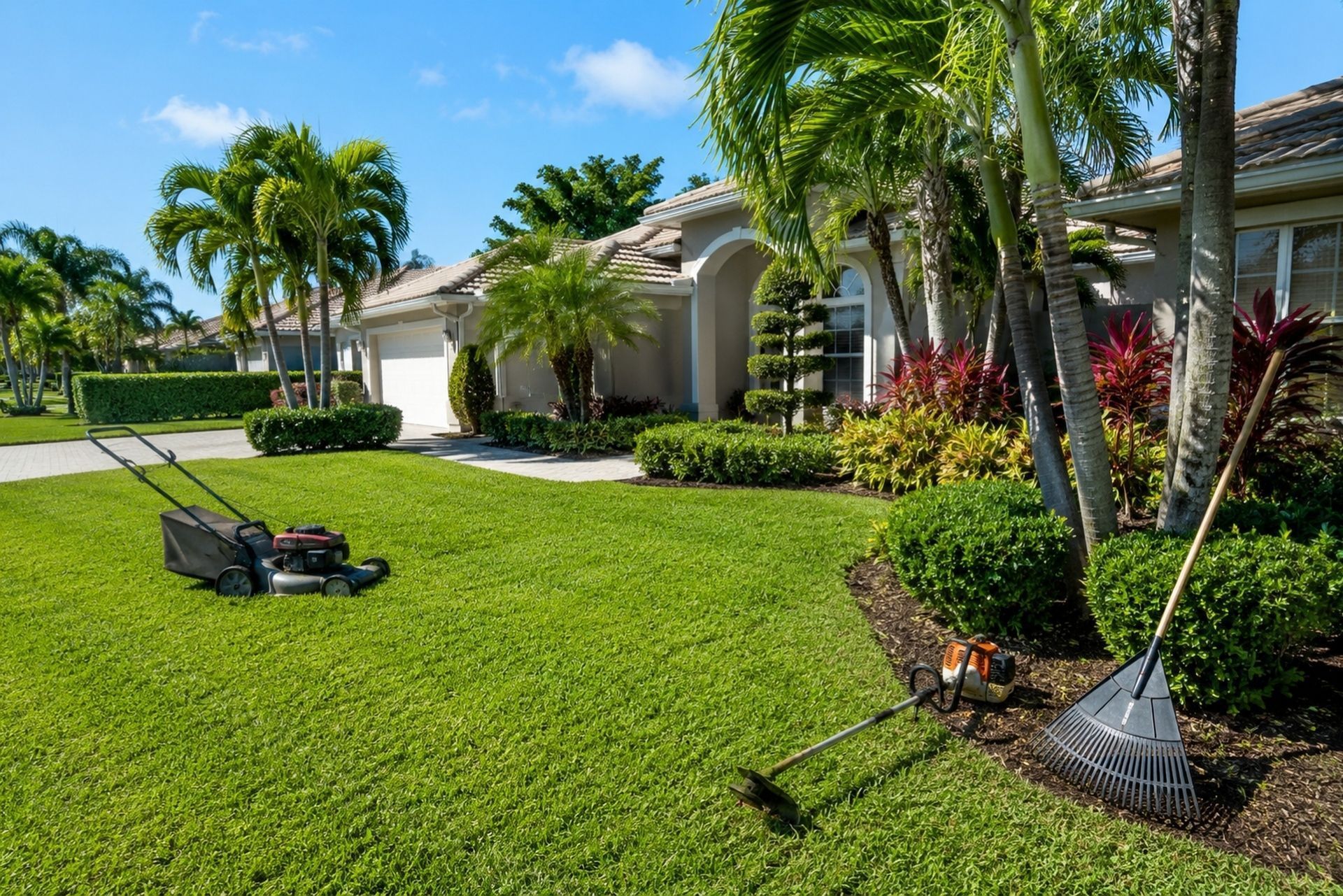
Common claims in Florida include a rock thrown by a mower blade that shatters a car window, a trimmer that gouges a client's vinyl siding, or a customer who trips over equipment left on a walkway. These incidents happen regularly, and even a minor claim can run $5,000 to $15,000 once you factor in repairs and legal costs.
Most Florida lawn care operators carry $1 million per occurrence and $2 million aggregate limits. One thing to keep in mind: general liability does not cover your own injuries, your vehicles, or your equipment. It's strictly for damage or injury you cause to others.

Essential Insurance Types for Landscapers
A complete coverage strategy for Florida landscapers involves layering several policy types. No single policy covers everything, and gaps between policies are where most financial damage occurs.
The four essential coverages are general liability (discussed above), workers' compensation, inland marine (equipment), and commercial auto. Some operators also add professional liability if they offer design or consultation services, and pollution liability if they handle chemical applications. Your specific mix depends on your crew size, service offerings, and contract requirements.
Workers' Compensation in the Sunshine State
Florida law requires workers' compensation insurance for any lawn care or landscaping business with one or more employees. This isn't optional, and the state enforces it aggressively. The Florida Division of Workers' Compensation conducts random audits and can issue stop-work orders to businesses operating without coverage.
The good news is that Florida workers' comp rates have been decreasing steadily over the past decade, with an average 6.4% reduction for 2026, marking the tenth consecutive year of rate decreases. For lawn care businesses, the classification code (9102 for lawn care) still carries higher premiums than office work, but the trend is favorable.
Workers' comp covers medical expenses, lost wages, and rehabilitation costs for employees injured on the job. In a physically demanding trade where heat exhaustion, lacerations, and back injuries are common, this coverage isn't just a legal requirement; it's a financial lifeline.
Inland Marine: Safeguarding Your Mowers and Tools
Inland marine insurance protects your equipment while it's in transit or at a job site. Despite the confusing name, this policy has nothing to do with boats. It covers mobile property that moves between locations, which describes nearly every piece of lawn care equipment you own.
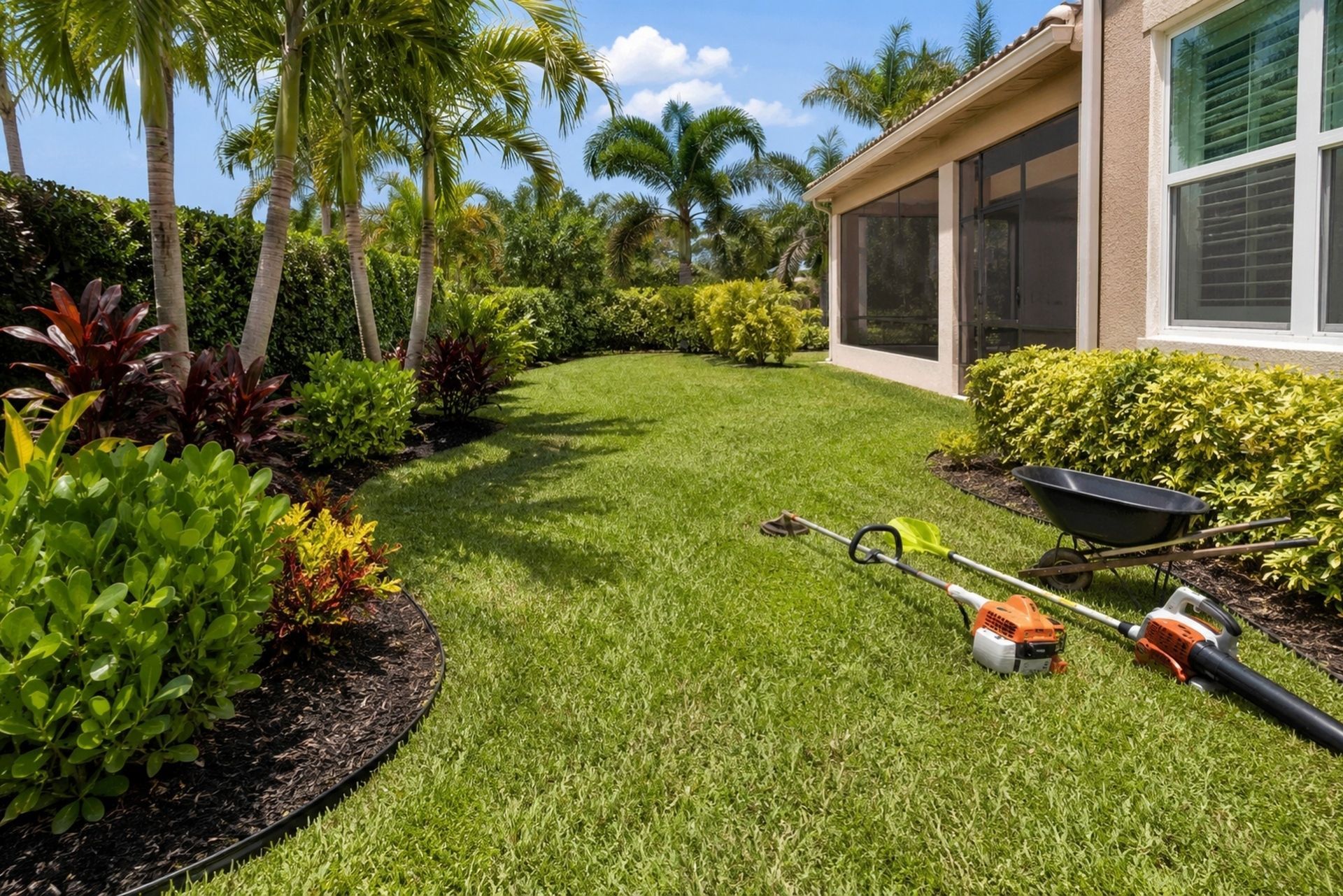
A commercial zero-turn mower costs $8,000 to $15,000. A trailer full of trimmers, blowers, edgers, and hand tools can easily represent $5,000 to $10,000 in value. Theft from open trailers is a persistent problem across Florida, and a single overnight theft can wipe out a small operator's ability to work.
Inland marine policies typically cover theft, vandalism, fire, and accidental damage. The catch is that most policies require you to list high-value items individually, and coverage limits apply per item and per occurrence.
Commercial Auto for Transporting Heavy Equipment
Your personal auto insurance policy will not cover accidents that occur while you're using your vehicle for business purposes. This is one of the most common and costly coverage gaps in the lawn care industry.
Commercial auto insurance covers your trucks, vans, and trailers while they're being used for work. It includes liability coverage for damage you cause to others, collision coverage for your own vehicle, and can be extended to cover hired and non-owned vehicles if your employees occasionally drive their own cars for work purposes.
In Florida, commercial auto policies must meet the state's
minimum liability requirements, but most landscapers carry higher limits to satisfy contract requirements. Policies that include trailer and attached equipment coverage protect the full rig, not just the truck.
Comparison: Basic vs. Comprehensive Protection
The difference between a bare-minimum insurance setup and a comprehensive one is often the difference between surviving a claim and closing your doors.
| Coverage Type | Basic Protection | Comprehensive Protection |
|---|---|---|
| General Liability | $500K per occurrence | $1M/$2M with completed operations |
| Workers' Comp | State minimum only | Includes employer's liability |
| Equipment | Not covered or limited | Inland marine with scheduled items |
| Commercial Auto | Liability only | Full coverage with hired/non-owned |
| Chemical Application | Not covered | Pollution liability endorsement |
| Annual Cost Estimate | $2,500 - $4,500 | $5,000 - $9,000 |
The basic setup meets minimum legal requirements but leaves significant gaps. A single equipment theft or chemical overspray incident could cost more than several years of premium difference.
Florida has specific insurance and licensing requirements that affect lawn care operators differently than in other states. Understanding these rules keeps you compliant and competitive.
The state requires workers' comp for all employers in the landscaping industry with one or more employees. General liability isn't technically mandated by state law, but most municipalities and commercial clients require it as a condition of doing business. If you're bidding on HOA contracts or government work, you'll need certificates of insurance showing specific coverage limits.
Herbicide and Pesticide Application Endorsements
If your services include applying herbicides, pesticides, or fertilizers, you need a pollution liability endorsement or a standalone pollution policy. Standard general liability policies exclude pollution-related claims, and Florida's Department of Agriculture and Consumer Services requires a limited commercial landscape maintenance license for anyone applying restricted-use chemicals.
A pollution liability endorsement typically adds $500 to $1,200 per year to your policy, depending on the volume and types of chemicals you apply. Without it, a claim involving chemical drift onto a neighbor's garden or contamination of a water feature would be entirely out of pocket.
Proof of Insurance for Local Contracts
Florida counties and municipalities frequently require contractors to carry specific insurance minimums before issuing business tax receipts or contractor licenses. Miami-Dade, Broward, and Palm Beach counties, for example, often require $1 million in general liability and proof of workers' comp before you can pull permits or bid on public contracts.
Many property management companies and HOAs have similar requirements written into their service agreements. Showing up without proper certificates of insurance means losing the contract to a competitor who has them. Your insurance agent can issue certificates of insurance, often called COIs, directly to your clients at no additional cost.
Common Questions About Florida Lawn Insurance
Do I really need workers' comp if I only have one helper?
Yes. Florida requires workers' compensation for lawn care and landscaping businesses with one or more employees. There is no exemption for small crews. Operating without it can result in a stop-work order and fines of up to twice the premium you would have paid.
Will my personal truck insurance cover me while I'm working?
No. Personal auto policies contain business-use exclusions. If you're involved in an accident while hauling equipment or driving between job sites, your personal insurer will likely deny the claim. You need a commercial auto policy.
How much does a standard policy cost in Florida?
A general liability policy for a small lawn care operation typically costs $800 to $2,000 per year. Workers' comp runs $1,500 to $4,000 depending on payroll size. Commercial auto varies widely based on vehicles and driving records. A complete package for a two-to-three person crew usually falls between $5,000 and $8,000 annually.
What happens if I accidentally spray the wrong chemical?
Without a pollution liability endorsement, you're personally responsible for all damages. Chemical overspray claims can involve property remediation, plant replacement, and even health-related lawsuits. A pollution endorsement covers these scenarios and typically costs less than $1,200 per year.
Making the Right Choice for Your Business
Choosing the right insurance for your Florida lawn care company isn't about buying the cheapest policy available. It's about matching your coverage to your actual risk exposure. A solo operator with a push mower has different needs than a crew of eight running commercial zero-turns across three counties.
Start by identifying your exposures: employees, vehicles, equipment value, chemical applications, and contract requirements. Then gather quotes from at least four to six carriers using identical coverage levels so you can make a fair comparison. Working with an independent agent who understands the lawn care industry in Florida can save you time and help you avoid coverage gaps that only show up after a claim.
The Florida lawn care insurance market is competitive, and rates for workers' comp have been trending downward for a decade. That means there's no better time to get properly covered. Don't wait for a claim to find out what your policy doesn't include. Review your coverage annually, update your equipment schedules, and keep your certificates of insurance current with every client who requires them. Your business depends on it.
About The Author:
Evan Marcotte
As an Auto Insurance Specialist at 5-Star Insurance, I’m passionate about helping drivers get the protection they need with speed, clarity, and confidence. My goal is to make every policy simple to understand and every client fully supported — from quote to claim.
Menu Pop-Up
Real Reviews from Florida Drivers
At 5-Star Insurance, we help drivers across Florida get insured quickly and affordably even in challenging situations. Whether it’s handling SR-22 and FR-44 filings or finding the most budget-friendly policy, our clients count on us to make the process fast, simple, and stress-free. Here’s what some of them have shared

Coverage Tailored to Your Needs
We specialize in essential auto insurance products for Florida drivers:
Auto Insurance
Standard auto coverage for Florida drivers, including liability, comprehensive, and collision options.
Commercial Auto Insurance
Protection for vehicles used for business and commercial purposes.
Liability-Only Auto Insurance
Basic, affordable coverage meeting Florida’s minimum requirements.
SR-22 Insurance
Required filing for drivers needing to reinstate their license after violations.
Motorcycle Insurance
Affordable insurance for motorcycles, scooters, and similar vehicles.
Clear Answers to Your Auto Insurance Questions
At 5-Star Insurance, we make sure every driver understands their options. Whether you are dealing with a suspension, DUI, or just need affordable coverage, we are here to help you get back on the road with confidence.
Stay Informed with Our Latest Articles
Gain insights to make smarter decisions about your insurance coverage:
Check out Our Latest Videos
Quick clips to keep you up to date on SR22 and FR44 insights and news
Contact Us
