

A single falling branch can generate a six-figure liability claim in minutes. For tree care professionals working across Florida, the combination of towering palms, aging oaks near power lines, and an annual hurricane season creates a risk profile unlike any other state. Carrying the right insurance isn't just a regulatory checkbox: it's the difference between a thriving business and one lawsuit away from closure.
Florida's
tree trimming insurance requirements span general liability, workers' compensation,
commercial auto, and tools and equipment coverage. Each policy addresses a distinct category of risk, and gaps between them can leave you exposed. Whether you're a solo operator with a
pickup truck and a chainsaw or you manage a crew of ten handling storm damage contracts, understanding how these coverages work together is essential. This guide breaks down every major policy type, explains the risks unique to Florida's environment, and offers practical strategies for keeping your premiums manageable without sacrificing protection.
Essential Insurance for Florida Tree Care Professionals
Running a tree service in Florida without proper coverage is a gamble you can't afford to take. The state's regulatory environment, combined with the physical dangers of the work, means you need multiple policy types working in coordination. Each one protects a different part of your operation.
General Liability for Property Damage and Injuries
General liability insurance is the foundation of any tree trimming business. It covers third-party bodily injury and property damage: if a limb you're cutting crashes through a client's roof or a passerby trips over debris at your job site, this policy responds. Most Florida municipalities and HOAs require proof of general liability before they'll approve a tree service contractor.
Policy limits typically start at $1 million per occurrence and $2 million aggregate. For tree trimmers, though, higher limits are common because the potential for catastrophic property damage is real. A single misjudged cut near a structure can result in claims that quickly exceed a basic policy. You should also confirm that your policy includes completed operations coverage, which protects you if a tree you trimmed later falls and causes damage due to improper work.
Workers' Compensation Florida State Requirements
Florida law requires workers' compensation for any tree service business with one or more employees. The tree care industry falls under construction classification codes, which means the threshold for mandatory coverage is lower than in many other industries. Even subcontractors you hire may need to carry their own workers' comp, or you could be held liable for their injuries.
The good news for 2026 is that Florida workers' compensation rates saw a 6.9% average decrease in the voluntary market effective January 1, 2026. That reduction reflects improved loss experience across multiple industries, though tree care remains one of the higher-rated classifications due to the inherent physical danger. The NCCI's filing with the Florida Office of Insurance Regulation confirmed this adjustment, which should translate into meaningful savings for compliant businesses.
Commercial Auto and Specialized Equipment Coverage
Your trucks, chippers, stump grinders, and aerial lifts need dedicated coverage. Personal auto insurance won't cover vehicles used for commercial purposes, and a standard commercial auto policy may exclude specialized equipment mounted on or towed behind your trucks.
You'll want a commercial auto policy that covers liability, collision, and comprehensive damage for every vehicle in your fleet. For equipment like bucket trucks and wood chippers, inland marine insurance (often called a tools and equipment floater) fills the gap. This policy covers your gear against theft, vandalism, and accidental damage, whether it's on a job site, in transit, or stored at your shop. One thing to keep in mind: the replacement cost of a professional-grade chipper alone can exceed $50,000, making this coverage a necessity rather than a luxury.
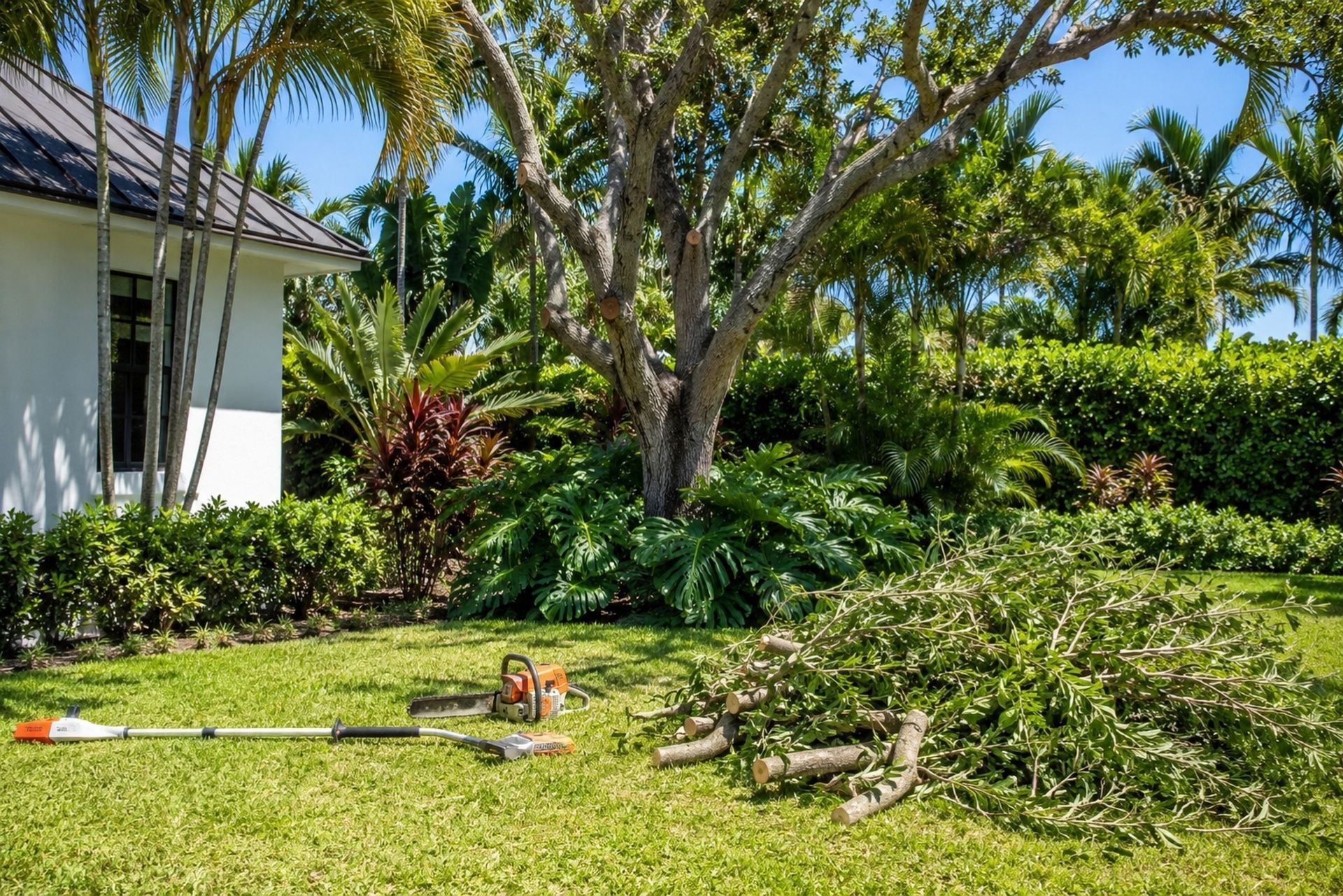

Why Florida Tree Trimmers Face Unique Risks
Florida's climate and geography create hazards that tree care professionals in other states rarely encounter. These risks directly influence your insurance needs and premium costs.
Hurricane Season and Storm Cleanup Liabilities
Hurricane season runs from June through November, and Florida's tree service operators often see their busiest months during and after major storms. Storm cleanup work carries elevated risks: weakened trees can collapse unpredictably, downed power lines create electrocution hazards, and the pressure to clear roads quickly can lead to rushed decisions.
Your general liability exposure increases substantially during storm response. South Florida's competitive property insurance market in 2026 means homeowners are filing more claims than ever, and their insurers may pursue subrogation against your business if your crew causes additional damage during cleanup. Make sure your policy doesn't contain exclusions for work performed during declared emergencies: some carriers include these restrictions.
High-Risk Tree Species and Power Line Proximity
Florida is home to species that present unusual challenges. Coconut palms drop heavy fruit from extreme heights. Banyan trees have complex root systems that make removal unpredictable. Australian pines are notoriously brittle and prone to sudden failure. Each of these species increases the likelihood of a claim.
Power line proximity is another major factor. FPL and other utilities require specific clearances and certifications before any work can be performed near energized lines. If your crew accidentally contacts a power line, you're looking at potential electrocution injuries, widespread outages, and utility damage claims that can reach hundreds of thousands of dollars. Your insurer needs to know about this exposure so your policy is rated appropriately.
Comparing Coverage Levels and Policy Limits
Not all tree service insurance policies are created equal. The difference between a basic package and a comprehensive one can determine whether a single claim puts you out of business.
Table: Basic vs. Comprehensive Tree Service Insurance
| Coverage Feature | Basic Policy | Comprehensive Policy |
|---|---|---|
| General Liability Limit | $500K/$1M | $1M/$2M or higher |
| Workers' Comp | State minimum | State minimum + employer's liability |
| Commercial Auto | Liability only | Liability + collision + comprehensive |
| Tools & Equipment | Not included | Inland marine floater up to $100K+ |
| Completed Operations | Often excluded | Inland marine floater up to $100K+ |
| Umbrella/Excess Liability | Not included | $1M-$5M excess layer |
| Pollution Liability | Not included | Included (fuel spills, chemical treatments) |
The catch is that basic policies look affordable on paper but leave significant gaps. A comprehensive approach, while more expensive upfront, protects your business against the full spectrum of risks that Florida tree trimmers face. Many operators find that an
Orlando-area tree service insurance guide helps illustrate the real-world cost differences between these tiers.
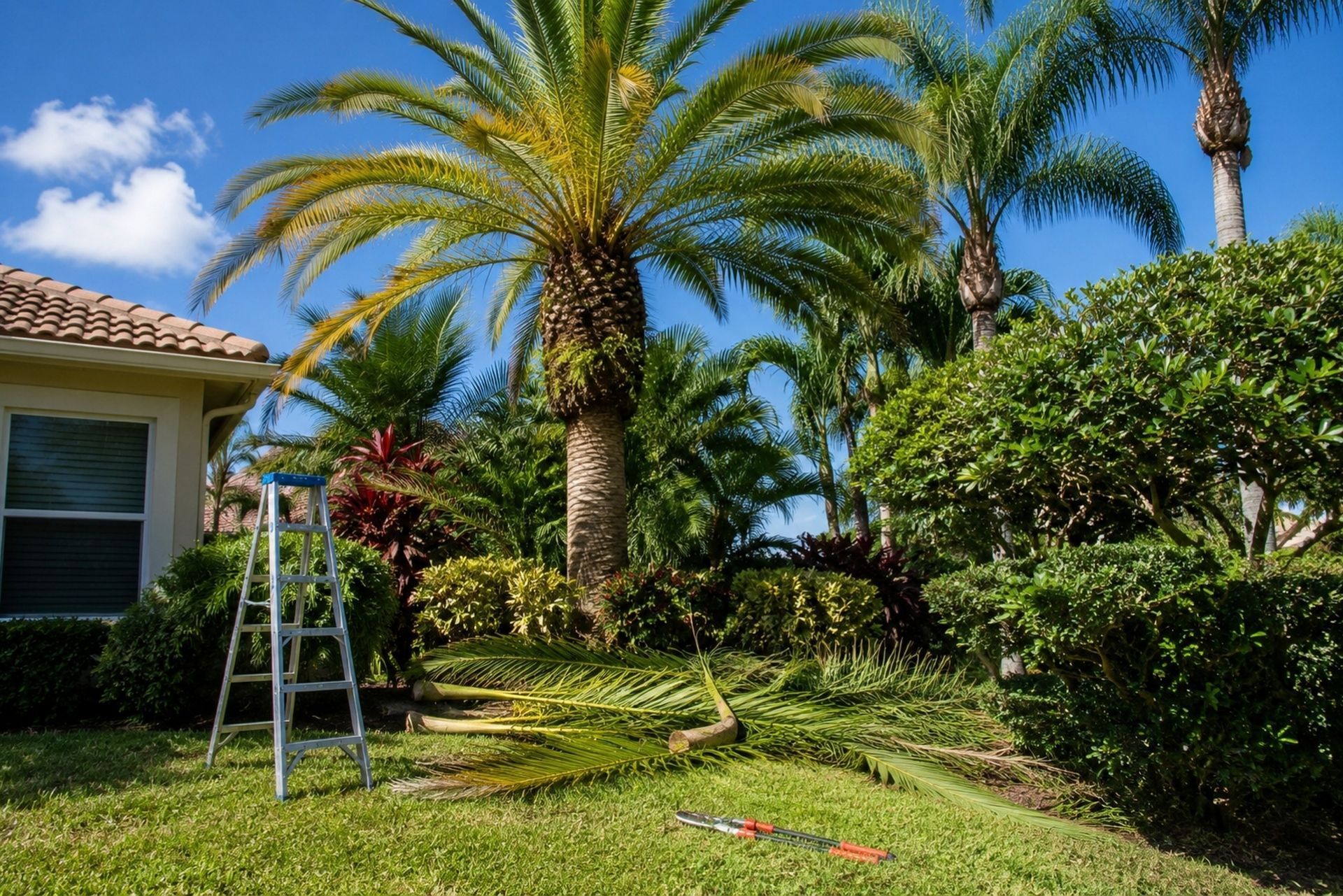
Insurance is a significant expense for tree care businesses, but there are legitimate ways to reduce what you pay without cutting corners on coverage.
Safety Training and Certification Discounts
Carriers reward businesses that demonstrate a commitment to safety. ISA (International Society of Arboriculture) certification for you and your crew members can reduce your general liability and workers' comp premiums. OSHA 10-hour or 30-hour training completions also signal lower risk to underwriters.
Maintaining written safety protocols, conducting regular toolbox talks, and documenting all training creates a paper trail that your agent can present during renewal negotiations. Some insurers offer discounts of 5-15% for businesses with formal safety programs. A clean claims history over three to five years amplifies these savings further.
Choosing the Right Deductible for Your Cash Flow
Your deductible directly affects your premium. A higher deductible means lower monthly costs, but you need enough cash reserves to cover that amount if a claim occurs. For most small tree service operations, a $1,000 to $2,500 deductible on general liability strikes a reasonable balance.
On commercial auto policies, consider your fleet's age and value. Older trucks with lower replacement values may not justify comprehensive coverage at all, which eliminates that premium entirely. That said, newer vehicles and expensive specialized equipment should carry lower deductibles to protect your investment. Get quotes from at least four to six carriers using identical coverage levels so you're comparing prices accurately. Working with a local independent agent who understands Florida's
2026 insurance market conditions can help you find the best combination of coverage and cost.
Frequently Asked Questions About Tree Trimming Insurance
Do I really need insurance if I only trim small trees?
Yes. Even small tree trimming can result in property damage or injury claims. A branch falling on a car, a client tripping over debris, or a cut that damages underground utilities can all generate claims regardless of tree size. Most clients and municipalities will require proof of insurance before hiring you.
Does general liability cover my own tools if they are stolen?
No. General liability covers third-party claims against your business. Your own tools, chainsaws, and equipment need a separate inland marine or tools and equipment policy. Without it, a theft from your truck or job site comes out of your pocket.
Is Workers' Comp required for a one-person business in Florida?
Sole proprietors in the tree care industry can exempt themselves from workers' comp requirements by filing for an exemption with the state. However, if you hire even one employee, including part-time or seasonal workers, you must carry coverage. Many general contractors also require proof of workers' comp from subcontractors before allowing them on a job site.
How much does a typical tree service policy cost per month?
Costs vary widely based on your crew size, revenue, claims history, and coverage limits. A solo operator might pay $250-$500 per month for a basic package. A crew of five to ten with full coverage, including workers' comp, commercial auto, and inland marine, could pay $1,500-$3,000 or more monthly. The 2026 workers' comp rate decrease helps offset some of these costs.
What happens if a tree falls on a neighbor's house while I am working?
Your general liability policy should cover the damage to the neighbor's property, including structural repairs and any personal property inside the home. The neighbor's homeowner's insurance may also respond, but their carrier will likely pursue your insurer for reimbursement through subrogation. This is why carrying adequate policy limits, ideally $1 million or more per occurrence, is critical.
Making the Right Choice for Your Business
Florida tree trimming insurance isn't a single policy: it's a coordinated set of coverages that protect every aspect of your operation. General liability shields you from third-party claims. Workers' comp keeps you compliant with state law and protects your crew. Commercial auto and equipment policies cover the tools that make your work possible.
The risks unique to Florida, from hurricane season surge work to power line proximity, make proper coverage even more critical here than in most states. Take advantage of the 2026 workers' comp rate reductions, invest in safety training for premium discounts, and work with an independent agent who can quote multiple carriers side by side.
Your next step is straightforward: gather your current policies, identify any gaps using the comparison table above, and request updated quotes. A few hours of effort now can save your business from a claim that would otherwise be devastating.
About The Author:
Evan Marcotte
As an Auto Insurance Specialist at 5-Star Insurance, I’m passionate about helping drivers get the protection they need with speed, clarity, and confidence. My goal is to make every policy simple to understand and every client fully supported — from quote to claim.
Menu Pop-Up
Real Reviews from Florida Drivers
At 5-Star Insurance, we help drivers across Florida get insured quickly and affordably even in challenging situations. Whether it’s handling SR-22 and FR-44 filings or finding the most budget-friendly policy, our clients count on us to make the process fast, simple, and stress-free. Here’s what some of them have shared

Coverage Tailored to Your Needs
We specialize in essential auto insurance products for Florida drivers:
Auto Insurance
Standard auto coverage for Florida drivers, including liability, comprehensive, and collision options.
Commercial Auto Insurance
Protection for vehicles used for business and commercial purposes.
Liability-Only Auto Insurance
Basic, affordable coverage meeting Florida’s minimum requirements.
SR-22 Insurance
Required filing for drivers needing to reinstate their license after violations.
Motorcycle Insurance
Affordable insurance for motorcycles, scooters, and similar vehicles.
Clear Answers to Your Auto Insurance Questions
At 5-Star Insurance, we make sure every driver understands their options. Whether you are dealing with a suspension, DUI, or just need affordable coverage, we are here to help you get back on the road with confidence.
Stay Informed with Our Latest Articles
Gain insights to make smarter decisions about your insurance coverage:
Check out Our Latest Videos
Quick clips to keep you up to date on SR22 and FR44 insights and news
Contact Us
