

A single fallen limb through a client's roof can cost your tree service tens of thousands of dollars before lunch. Florida's combination of hurricane-prone weather, dense residential canopy, and year-round growing seasons makes arborist work both profitable and risky. If you're running a tree service in this state, the right insurance coverage isn't optional; it's the difference between surviving a bad claim and closing your doors.
This guide covers the essential insurance policies Florida arborists need: general liability, tools and equipment protection, commercial auto, and workers' comp. Each of these lines of coverage addresses a distinct category of risk, and understanding how they work together is what separates a well-protected operation from one that's dangerously exposed. Whether you're a solo climber or managing a crew of fifteen, the stakes are the same. One uncovered claim can wipe out years of hard work. Florida's insurance market has shifted considerably in recent years, and 2026 brings both new opportunities and persistent challenges for tree care professionals looking to build a complete coverage plan.
Core Insurance Requirements for Florida Arborists
Every Florida arborist needs a foundation of coverage that addresses the most common and costly risks in tree care. Three policies form the core: general liability, workers' compensation, and commercial auto. Skipping any one of these creates a gap that could expose your business to lawsuits, regulatory penalties, or catastrophic out-of-pocket expenses.
Florida law imposes specific requirements on contractors, and tree service operators fall squarely within that classification. You'll need proof of insurance to bid on municipal contracts, work in HOA-governed communities, and maintain your professional credentials. The state's Department of Financial Services actively audits contractors for compliance, particularly around workers' comp.
General Liability for Tree Services
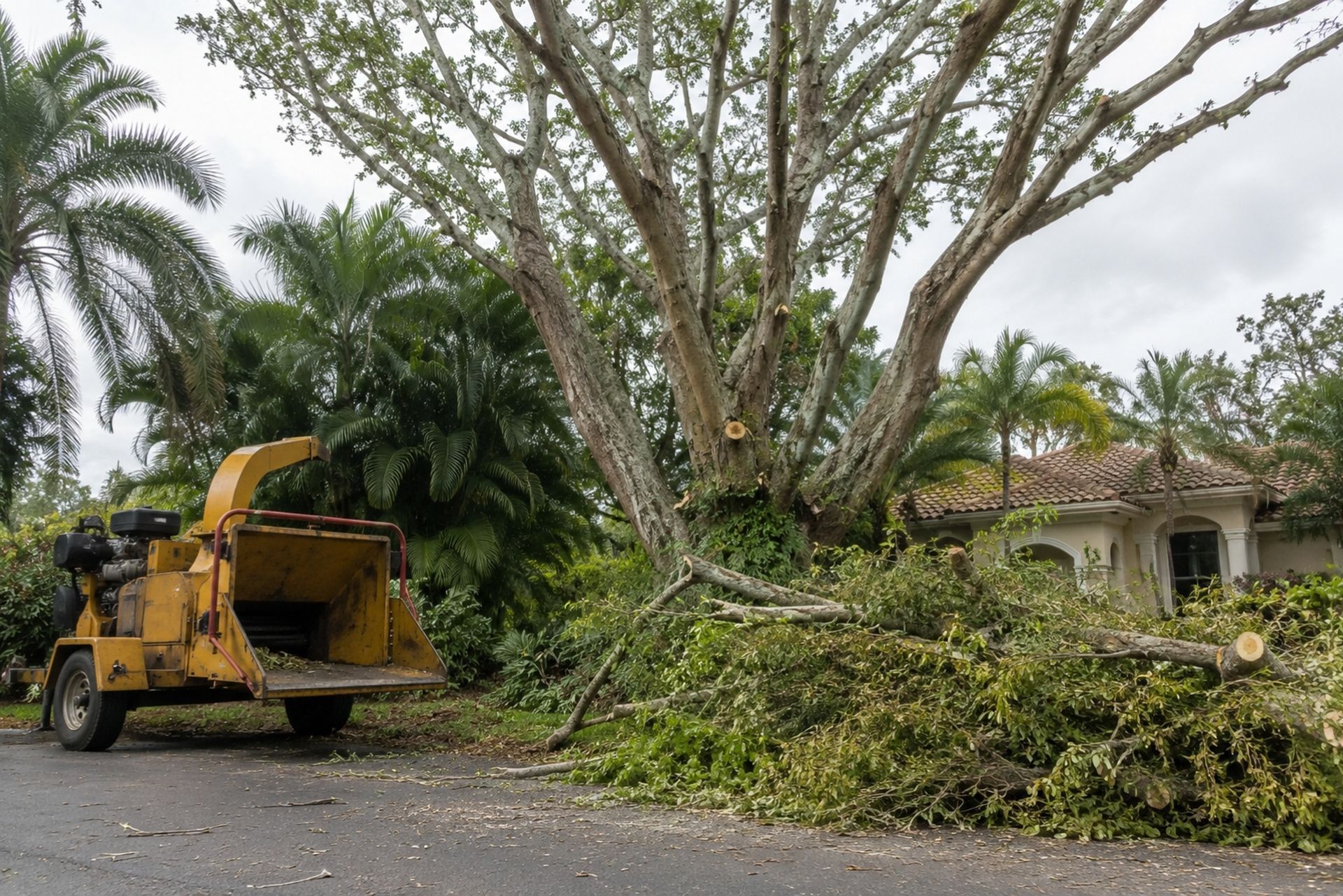
General liability insurance covers third-party bodily injury and property damage that results from your operations. If a branch drops onto a neighbor's car, or a client trips over debris your crew left behind, this policy responds. For tree services, the most common claims involve damage to structures, fences, driveways, and underground utilities during removals or stump grinding.
Most Florida arborists carry between $1 million and $2 million in general liability limits. Tree service general liability typically costs between $1,500 and $3,000 annually for small operations, though premiums climb with revenue, crew size, and the scope of work you perform. Crane-assisted removals and work near power lines push rates higher because insurers view those activities as substantially riskier.
One thing to keep in mind: your general liability policy won't cover damage to your own equipment or injuries to your employees. Those require separate coverage, which is exactly why a single policy is never enough.
Florida Workers' Compensation Compliance
Florida requires workers' compensation coverage for any construction-related business with one or more employees. Tree services fall under the construction classification, so even a two-person crew triggers the mandate. Operating without it can result in stop-work orders, fines of $1,000 per day, and personal liability for any injuries.
The 2026 filed rate for NCCI Class Code 0106, which covers tree pruning, spraying, repairing, and trimming, reflects one of the higher rate categories in Florida's classification system. You can review the current approved rate tables to see exactly where your classification falls. That said, Florida's workers' comp rates have decreased for nine consecutive years, bringing some relief to an industry that historically pays steep premiums.
Your experience modification rate, or mod rate, plays a significant role in what you actually pay. A clean claims history can push your mod below 1.0, reducing premiums by 10 to 30 percent. Conversely, frequent or severe claims inflate your costs for three full years.
Commercial Auto and Fleet Coverage
Your trucks, chippers, and trailers spend hours on Florida roads every day. Commercial auto insurance covers liability and physical damage for vehicles used in business operations. Personal auto policies explicitly exclude commercial use, so any accident in an uninsured work truck leaves you fully exposed.
Florida's auto insurance market has seen some positive movement. The state's top five auto insurance groups have announced significant rate decreases in 2026, which may benefit commercial policyholders as well. Your fleet's driving records, vehicle age, and radius of operations all factor into pricing.
Telematics programs like Progressive's Snapshot and State Farm's Drive Safe & Save can reduce premiums by tracking driving behavior: hard braking, speeding, and idle time. The trade-off is that your insurer collects detailed data on your drivers' habits, which some business owners find intrusive. For fleets with disciplined drivers, the savings often justify the monitoring.

Specialized Add-ons for High-Risk Tree Work
Beyond the core policies, Florida arborists face risks that standard coverage doesn't address. Specialized endorsements and standalone policies fill these gaps, and the cost of adding them is typically modest compared to the exposure they cover.
Inland Marine for Heavy Equipment
Inland marine insurance, sometimes called equipment floaters, covers your tools and heavy equipment while in transit or at job sites. Your general liability policy doesn't cover damage to your own property, and your commercial auto policy only covers items permanently attached to insured vehicles.
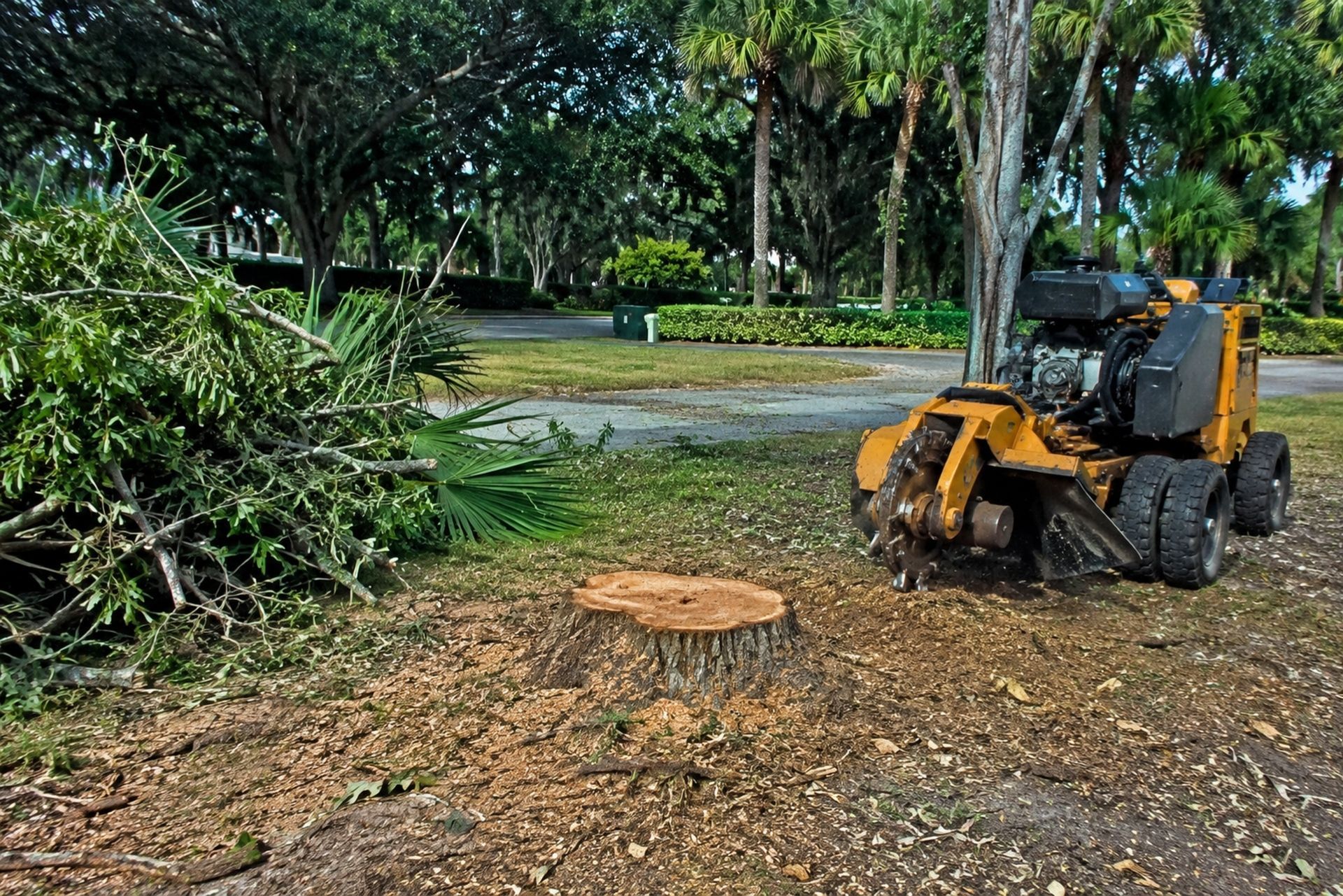
Chainsaws, stump grinders, aerial lifts, and chippers represent significant capital investments. A single chipper can cost $30,000 to $80,000 to replace. Inland marine policies cover theft, vandalism, accidental damage, and sometimes even equipment breakdown. Premiums are typically 1 to 3 percent of the total insured value annually, making this one of the most cost-effective coverages available to tree care companies.
Errors and Omissions for Consulting Arborists
If you provide tree risk assessments, health evaluations, or written recommendations, you're exposed to professional liability claims. Errors and omissions coverage protects you when a client alleges that your professional advice caused them financial harm, such as a tree you certified as healthy falling and destroying property.
This coverage matters most for ISA-certified arborists who provide consulting services alongside physical tree work. E&O policies for consulting arborists typically run $800 to $2,500 per year depending on revenue and the scope of consulting performed.
Pollution Liability for Herbicide Application
Many tree services apply herbicides, fungicides, or insecticides as part of their integrated pest management offerings. Standard general liability policies contain pollution exclusions that eliminate coverage for chemical drift, soil contamination, or groundwater damage caused by these applications.
A standalone pollution liability policy fills this gap. If your spray drifts onto a neighbor's organic garden or contaminates a
retention pond, this coverage responds. Florida's proximity to environmentally sensitive areas, including the Everglades watershed and coastal estuaries, makes pollution claims particularly expensive when they occur.
Comparing Coverage: Basic vs. Comprehensive Protection
Understanding the difference between minimum coverage and full protection helps you make informed decisions about where to invest your premium dollars.
| Coverage Area | Basic Protection | Comprehensive Protection |
|---|---|---|
| General Liability | $1M per occurrence | $2M per occurrence with umbrella |
| Workers' Comp | State minimum compliance | Lower mod rate with safety program |
| Commercial Auto | Liability only | Liability + collision + comprehensive |
| Equipment | None | Inland marine for all tools/equipment |
| Professional | None | E&O for consulting services |
| Pollution | Excluded | Standalone pollution liability |
A basic package might cost $8,000 to $15,000 annually for a small crew. Comprehensive protection for the same operation could run $18,000 to $30,000. The gap between those figures is the cost of covering risks that don't happen often but can be financially devastating when they do.
Florida's insurance market presents unique challenges for tree service operators. Your premiums reflect both your individual risk profile and broader market conditions that affect every policyholder in the state. The 2026 Florida insurance market has stabilized somewhat after years of volatility, but arborists still pay more than most contractor classifications.
Impact of Storm and Hurricane Season
Hurricane season runs from June through November, and it drives a significant portion of your annual risk exposure. Insurers price tree service policies with the understanding that post-storm demand surges create rushed working conditions, fatigued crews, and higher injury rates. Some carriers restrict new policy issuance during active storm periods.
Your geographic location within Florida matters too. Coastal operations from Miami to Jacksonville face higher wind-related risk premiums than inland operations near Orlando or Gainesville. Construction and contractor insurance in Florida continues to reflect these regional risk differences in 2026 pricing.
Safety Protocols and Claims History
Insurers reward tree services that demonstrate a commitment to crew safety. Documented training programs, OSHA compliance, proper PPE requirements, and regular equipment maintenance all signal lower risk to underwriters. Some carriers offer premium credits of 5 to 15 percent for companies with formal safety programs.
Your claims history over the past three to five years is the single most influential factor in your premium calculation. A company with zero lost-time injuries will pay dramatically less than one with multiple claims, even if they perform identical work. Investing in safety training isn't just about protecting your crew; it directly reduces your insurance costs.
Common Questions About Arborist Insurance
Do I need workers' comp if I'm a sole proprietor with no employees? Florida exempts sole proprietors in construction from mandatory workers' comp, but you can elect coverage for yourself. Many general contractors and municipalities require proof of workers' comp before they'll hire subcontractors, regardless of employee count.
What NCCI class code applies to tree services? Most tree care operations fall under Class Code 0106, which covers tree pruning, spraying, repairing, and trimming. If you also perform landscaping or lawn maintenance, those activities may fall under separate codes.
Does my general liability cover damage from a tree falling after I've pruned it? Completed operations coverage, which is typically included in general liability policies, covers damage that occurs after you've finished the job. However, there's usually a statute of limitations, and the insurer will investigate whether the damage resulted from negligent work.
How much does arborist insurance cost in Florida? Total annual premiums for a complete coverage package range from $10,000 to $35,000 depending on crew size, revenue, equipment value, and claims history. Small operations with clean records fall on the lower end.
Can I get coverage if I've been denied by other carriers? Yes. Florida's residual market, including the
Florida Workers' Compensation Joint Underwriting Association, exists specifically for businesses that can't obtain coverage in the voluntary market. Rates are higher, but coverage is available.
Making the Right Choice for Your Business
Building the right insurance program for your Florida tree service requires balancing adequate protection against realistic budget constraints. Start with the non-negotiables: general liability, workers' comp, and commercial auto. These three policies address the risks most likely to generate claims and the legal requirements most likely to be enforced.
From there, evaluate your specific operations. If you own expensive equipment, inland marine coverage pays for itself the first time a chainsaw is stolen from a job site. If you consult on tree health, E&O coverage protects your professional reputation. If you apply chemicals, pollution liability keeps a drift incident from becoming a six-figure nightmare.
Get quotes from at least four to six carriers using identical coverage levels so you can make genuine comparisons. Work with an independent agent who understands contractor classifications and Florida's unique market conditions. The right coverage plan doesn't just protect you from financial loss; it positions your business to take on larger contracts, satisfy municipal requirements, and operate with confidence through hurricane season and beyond.
About The Author:
Evan Marcotte
As an Auto Insurance Specialist at 5-Star Insurance, I’m passionate about helping drivers get the protection they need with speed, clarity, and confidence. My goal is to make every policy simple to understand and every client fully supported — from quote to claim.
Menu Pop-Up
Real Reviews from Florida Drivers
At 5-Star Insurance, we help drivers across Florida get insured quickly and affordably even in challenging situations. Whether it’s handling SR-22 and FR-44 filings or finding the most budget-friendly policy, our clients count on us to make the process fast, simple, and stress-free. Here’s what some of them have shared

Coverage Tailored to Your Needs
We specialize in essential auto insurance products for Florida drivers:
Auto Insurance
Standard auto coverage for Florida drivers, including liability, comprehensive, and collision options.
Commercial Auto Insurance
Protection for vehicles used for business and commercial purposes.
Liability-Only Auto Insurance
Basic, affordable coverage meeting Florida’s minimum requirements.
SR-22 Insurance
Required filing for drivers needing to reinstate their license after violations.
Motorcycle Insurance
Affordable insurance for motorcycles, scooters, and similar vehicles.
Clear Answers to Your Auto Insurance Questions
At 5-Star Insurance, we make sure every driver understands their options. Whether you are dealing with a suspension, DUI, or just need affordable coverage, we are here to help you get back on the road with confidence.
Stay Informed with Our Latest Articles
Gain insights to make smarter decisions about your insurance coverage:
Check out Our Latest Videos
Quick clips to keep you up to date on SR22 and FR44 insights and news
Contact Us
