

Renting a cargo van for a weekend
delivery run or leasing a fleet of sedans for your sales team might seem straightforward, but the insurance implications are anything but simple. Virginia businesses that rely on rented or leased vehicles face a unique set of risks that standard commercial auto policies don't always cover. If you're trying to get a handle on Virginia
commercial auto insurance for hired vehicles, the coverage options, and what you'll actually pay, this guide breaks down the specifics. Virginia's 2026 liability minimums, contributory negligence rules, and audit-based premium calculations all play a role in shaping your costs. Understanding these factors before you sign a rental agreement can save you from expensive coverage gaps and unexpected audit adjustments at policy renewal.
Understanding Hired Auto Coverage in Virginia
Hired auto coverage fills a critical gap that many Virginia business owners overlook. Your standard commercial auto policy covers vehicles your company owns and schedules on the policy. The moment an employee rents a car for a business trip or you lease a truck for a seasonal project, that vehicle isn't on your schedule, and you're exposed.
This coverage applies to vehicles your business rents, leases, or borrows for commercial purposes. It typically covers liability for bodily injury and property damage caused by employees operating those hired vehicles. Some policies also offer physical damage protection for the rented vehicle itself, though this is often a separate endorsement.
Definition of Hired Vehicles for Business Use
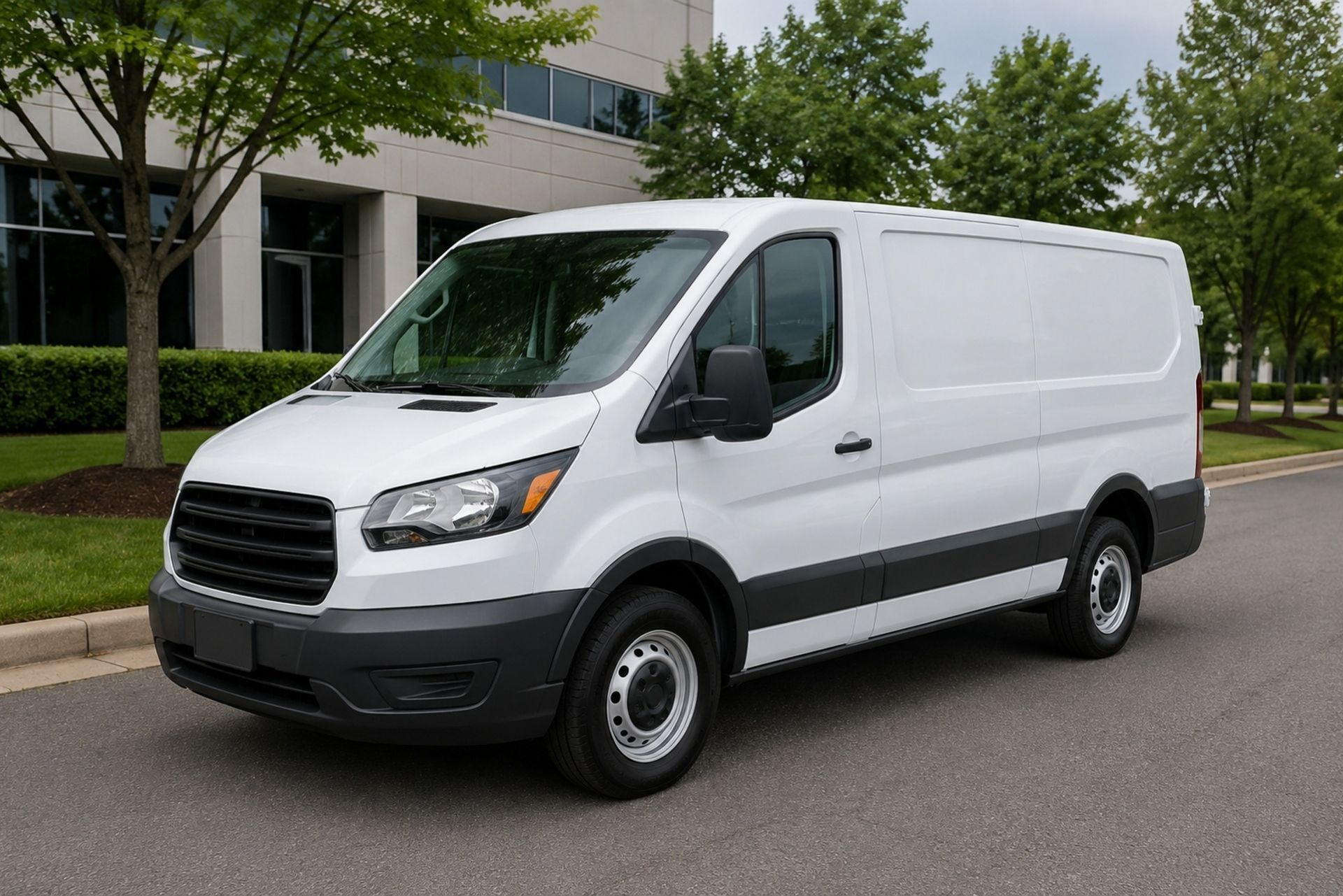
A hired vehicle is any car, truck, or van that your business temporarily uses under a rental or lease agreement but doesn't own. This includes short-term rentals from agencies like Enterprise or Hertz, equipment haulers leased for a construction project, or even a vehicle borrowed from another company under a formal arrangement.
The catch is that the vehicle must be used for business purposes. An employee renting a car for a personal vacation doesn't qualify. But if that same employee rents a sedan to drive to a client meeting three states away, the vehicle falls squarely under your hired auto exposure. Seasonal businesses in Virginia, particularly those in agriculture, construction, and
hospitality, frequently rely on hired vehicles to handle demand spikes without the capital outlay of purchasing additional fleet units.
Distinction Between Hired and Non-Owned Auto Liability
These two coverages are often bundled together on the same endorsement, but they protect against different risks. Hired auto liability covers vehicles your business rents or leases. Non-owned auto liability covers vehicles owned by employees but used for company business, like a salesperson driving their personal car to a client site.
Here's what that means for you: if your employee causes an accident while driving their own car on company time, the employee's personal auto policy responds first. Your non-owned auto coverage acts as excess liability. With hired vehicles, your business is typically the primary responsible party. Virginia courts don't distinguish kindly here. A common client mistake is assuming the rental company's insurance is sufficient. Rental counter coverage often carries low limits and significant exclusions for commercial use.

Your hired auto premium isn't a flat rate. Insurers calculate it based on several variables specific to your business operations, vehicle usage, and
risk profile.
Estimated Annual Cost of Hire
The single largest factor in your premium is the estimated annual cost of hire, which represents the total amount your business expects to spend on vehicle rentals and leases during the policy period. If you budget $30,000 annually on rental vehicles, your premium will be significantly higher than a company spending $5,000.
Insurers use this figure as a proxy for exposure. More rental spending generally means more miles driven, more vehicles on the road, and more potential claims. At the end of each policy year, your insurer will audit your actual rental expenditures and adjust the premium accordingly. Underestimating this number to lower your initial premium is a common mistake that leads to a painful audit surcharge.
Vehicle Type and Intended Business Operations
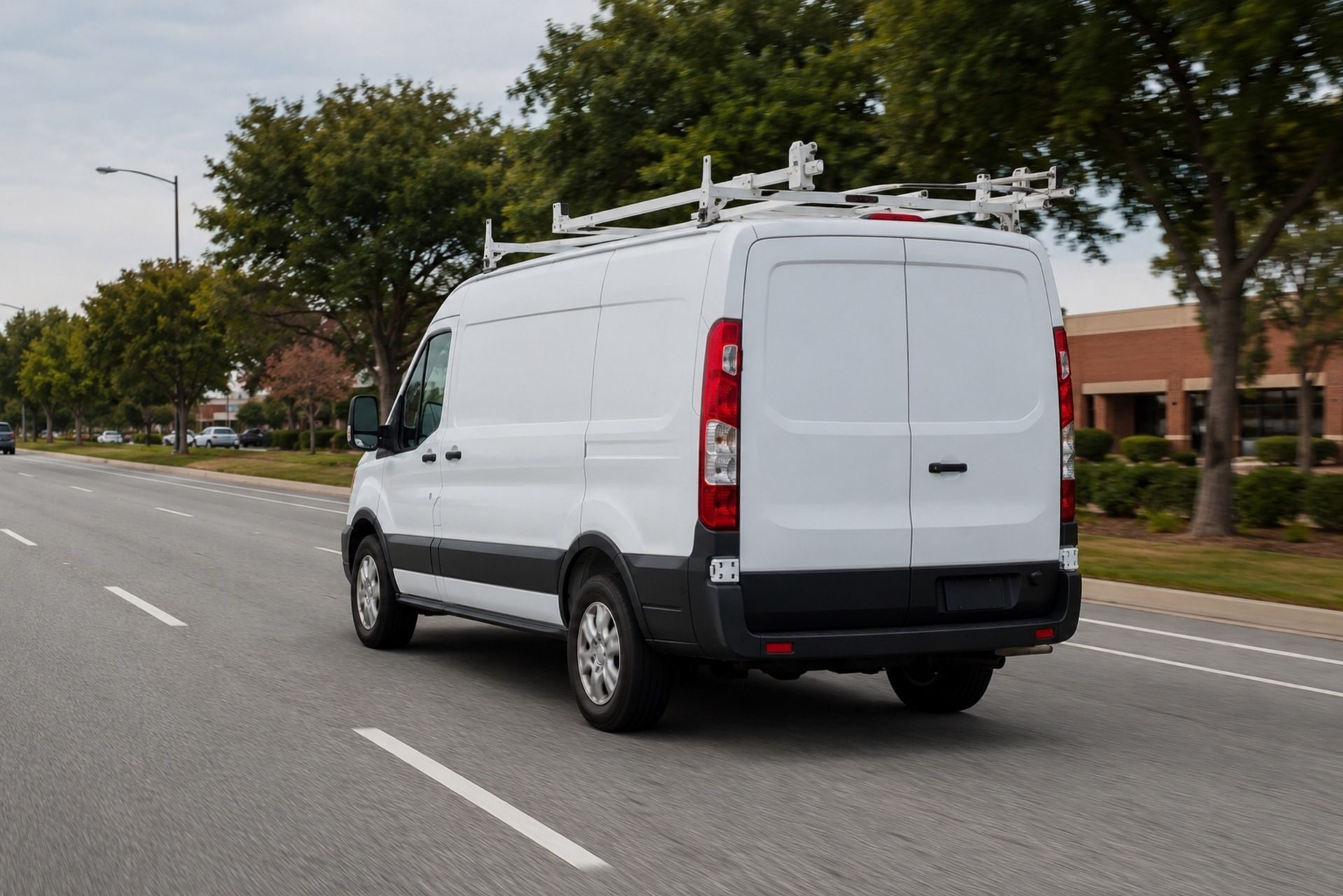
A florist renting a minivan for deliveries presents a very different risk than a contractor leasing a 26-foot box truck. Insurers evaluate the types of vehicles you hire and the operations you perform with them. Heavy vehicles, refrigerated trucks, and specialized equipment carriers all carry higher premiums because they're associated with more severe accidents and higher claim payouts.
Your industry classification matters too. Virginia businesses in transportation, construction, and
courier services typically face steeper rates than consulting firms or accounting practices. The radius of operation, whether local, regional, or interstate, also influences pricing.
Driver Records and Virginia Risk Classifications
Every driver who might operate a hired vehicle on your behalf affects your premium. Insurers pull motor vehicle reports (MVRs) and evaluate violations, at-fault accidents, and license suspensions. Virginia uses a point-based system for driver records, and drivers accumulating points face increased scrutiny from commercial insurers.
One thing to keep in mind: a single employee with a
DUI conviction can spike your entire hired auto premium. Many insurers require you to maintain a list of authorized drivers and will exclude specific individuals whose records fall outside acceptable thresholds. Implementing a driver qualification program that checks MVRs at least annually is one of the most effective ways to control this cost.
Virginia State Requirements and Liability Limits
Virginia imposes specific insurance requirements on commercial vehicles, and these minimums directly affect what you'll pay for hired auto coverage.
Minimum Liability Thresholds for Commercial Entities
Virginia's mandatory minimum liability requirements stand at 50/100/25: $50,000 per person for bodily injury, $100,000 per accident for bodily injury, and $25,000 for property damage. These thresholds apply to all commercial motor vehicles operating in the state, including hired vehicles used for business purposes.
That said, these minimums are rarely adequate for real-world commercial claims. A multi-vehicle accident on I-95 or I-64 can produce medical bills and property damage that dwarf these limits. Most insurance professionals recommend carrying at least $500,000 in combined single limits, with a commercial umbrella policy layered on top. The table below compares common coverage tiers:
| Coverage Tier | Bodily Injury (Per Person/Per Accident) | Property Damage | Typical Annual Premium Range |
|---|---|---|---|
| State Minimum | $50,000 / $100,000 | $25,000 | $800 - $1,500 |
| Standard | $250,000 / $500,000 | $100,000 | $1,500 - $3,000 |
| Enhanced | $500,000 / $1,000,000 | $250,000 | $2,500 - $5,500 |
| Umbrella Add-On | $1,000,000+ excess | Included | $1,200 - $3,000 additional |
The Impact of Virginia's Contributory Negligence Laws
Virginia is one of only a handful of states that still follows the pure contributory negligence doctrine. This means that if your driver is found even 1% at fault in an accident, your business could be barred from recovering any damages from the other party. On the flip side, this same rule can protect you if the other driver contributed to the accident at all.
This legal framework makes adequate liability coverage even more critical for Virginia businesses. A hired vehicle accident where your driver shares partial fault could leave your company absorbing the full cost of vehicle repairs, medical expenses, and lost productivity. Virginia's
contributory negligence standard creates a higher-stakes environment than the comparative negligence systems used in most other states.:
Calculating the Cost of Hire for Audit Purposes
Your hired auto premium is provisional. At the start of your policy, you provide an estimated annual cost of hire. At renewal, your insurer audits your actual expenditures and adjusts the premium up or down.
The cost of hire includes all rental fees, lease payments, and related charges for vehicles used in your business. It does not typically include fuel, tolls, or parking fees. Keep meticulous records of every rental receipt, lease agreement, and vehicle-related invoice throughout the policy year.
Here's a practical example: if your estimated cost of hire was $20,000 but your actual spending came in at $35,000, your insurer will charge additional premium based on that $15,000 difference. The rate per $1,000 of cost of hire varies by insurer and risk class but commonly falls between $3 and $8 per $1,000. A company with $35,000 in actual hire costs at a $6 rate would pay $210 in hired auto premium, separate from any non-owned auto charges.
Maintaining a centralized tracking system for all rental expenditures prevents audit surprises. Some businesses designate a single corporate credit card for all vehicle rentals, making reconciliation straightforward.
Strategies to Reduce Hired Auto Insurance Expenses
Premium reduction starts with operational decisions, not just shopping for the cheapest quote.
Implementing Corporate Rental Agreements
Negotiating a corporate rental agreement with a national agency can reduce both your direct rental costs and your insurance premiums. These agreements often include loss damage waivers and supplemental liability coverage that can reduce your insurer's exposure.
Corporate accounts also centralize your rental activity, making audit documentation cleaner and more predictable. Some rental companies offer
insurance products bundled into corporate rates that coordinate with your commercial policy, reducing overlap and waste. Before signing any agreement, have your insurance agent review the terms to confirm the rental company's coverage doesn't conflict with your policy.
Bundling with General Liability Policies
Many Virginia insurers offer hired and non-owned auto coverage as an endorsement to your commercial general liability (CGL) policy rather than as a standalone product. Bundling typically reduces the total cost because the insurer is writing more premium under a single account.
Getting quotes from at least four to six carriers using identical coverage levels ensures you're comparing real differences in pricing, not just variations in coverage. A local independent agent familiar with Virginia's commercial market can run these comparisons efficiently. Telematics programs, like Progressive's Snapshot or State Farm's Drive Safe & Save, are increasingly available for commercial accounts and can provide premium credits based on actual driving behavior, though they do require sharing GPS and driving data with the carrier.
Securing the Right Coverage for Virginia Businesses
Virginia's combination of contributory negligence laws, increasing liability minimums, and audit-based premium structures makes hired vehicle coverage a topic that deserves careful attention. The right policy protects your business from claims that could otherwise threaten its financial stability, while smart operational choices keep premiums manageable.
Start by accurately estimating your annual cost of hire, maintaining clean driver records across your team, and carrying liability limits well above the state minimum. Work with an independent agent who understands Virginia's commercial insurance landscape and can place your coverage with carriers that specialize in your industry. The difference between a policy that merely satisfies state requirements and one that genuinely protects your business is often smaller in premium cost than you'd expect, but enormous in claim outcomes.
Frequently Asked Questions
Does the rental company's insurance cover my business if an employee has an accident? Rental counter insurance is designed for personal use and typically carries low limits. Commercial use may void that coverage entirely, leaving your business exposed.
How often do insurers audit hired auto costs? Most insurers conduct an annual audit at policy renewal. Some may request interim documentation if your estimated cost of hire changes significantly mid-term.
Can I exclude specific drivers from my hired auto policy? Yes. Most insurers allow named driver exclusions, which can lower your premium if a high-risk employee is removed from eligibility to operate hired vehicles.
Is hired auto coverage required by law in Virginia? Virginia doesn't specifically mandate hired auto coverage, but it does require liability insurance on all vehicles operated commercially. If your employee causes an accident in a rented vehicle without proper coverage, your business faces direct financial liability.
What's the difference between physical damage and liability on a hired vehicle? Liability pays for injuries and property damage you cause to others. Physical damage covers repairs to the rented vehicle itself. Many policies include liability by default but require a separate endorsement for physical damage.
Your Path Forward
Getting the right hired vehicle coverage in Virginia doesn't require an insurance degree, but it does require honest assessment of your rental habits, driver quality, and risk tolerance. Review your past 12 months of rental spending, pull MVRs on every employee who might drive a hired vehicle, and sit down with an independent agent to compare quotes from multiple carriers. The businesses that handle this proactively spend less on premiums and face far fewer surprises when claims arise. Your next step is a simple one: gather your rental receipts and make that call.
About The Author:
Evan Marcotte
As an Auto Insurance Specialist at 5-Star Insurance, I’m passionate about helping drivers get the protection they need with speed, clarity, and confidence. My goal is to make every policy simple to understand and every client fully supported — from quote to claim.
Menu Pop-Up
Real Reviews from Florida Drivers
At 5-Star Insurance, we help drivers across Florida get insured quickly and affordably even in challenging situations. Whether it’s handling SR-22 and FR-44 filings or finding the most budget-friendly policy, our clients count on us to make the process fast, simple, and stress-free. Here’s what some of them have shared

Coverage Tailored to Your Needs
We specialize in essential auto insurance products for Florida drivers:
Auto Insurance
Standard auto coverage for Florida drivers, including liability, comprehensive, and collision options.
Commercial Auto Insurance
Protection for vehicles used for business and commercial purposes.
Liability-Only Auto Insurance
Basic, affordable coverage meeting Florida’s minimum requirements.
SR-22 Insurance
Required filing for drivers needing to reinstate their license after violations.
Motorcycle Insurance
Affordable insurance for motorcycles, scooters, and similar vehicles.
Clear Answers to Your Auto Insurance Questions
At 5-Star Insurance, we make sure every driver understands their options. Whether you are dealing with a suspension, DUI, or just need affordable coverage, we are here to help you get back on the road with confidence.
Stay Informed with Our Latest Articles
Gain insights to make smarter decisions about your insurance coverage:
Check out Our Latest Videos
Quick clips to keep you up to date on SR22 and FR44 insights and news
Contact Us
