

A single hailstorm in Virginia can turn a $30,000 roof into an emergency expense overnight. Whether you live in the Shenandoah Valley, the Tidewater region, or Northern Virginia's suburban sprawl, your roof is the most exposed part of your home, and your insurance policy is the financial shield that stands between you and a catastrophic bill. Yet most Virginia homeowners don't fully understand what their policy covers until they're standing in their kitchen watching water drip from the ceiling. Understanding your
roofing contractor insurance coverage and cost factors specific to Virginia is not optional; it's a financial necessity. The state's geographic diversity means coastal homeowners face hurricane-force winds while inland residents contend with severe thunderstorms and ice damage. Your premiums, your deductibles, and your out-of-pocket costs all hinge on details buried in your policy's fine print. This guide breaks down the coverage types, cost variables, claims process, and savings strategies that every Virginia homeowner should know before the next storm season arrives.
Understanding Homeowners Insurance for Virginia Roofs
Your standard Virginia homeowners policy, typically an HO-3 form, covers your roof under Dwelling Coverage (Coverage A). This portion of your policy pays for damage to the physical structure of your home, including the roof, caused by covered perils. The key phrase here is "covered perils," because not every type of damage qualifies.
Most Virginia insurers write policies on an open-peril basis for the dwelling itself, meaning everything is covered unless specifically excluded. That said, the real-world application of this principle gets complicated fast when you're dealing with a 15-year-old roof and a claims adjuster who sees wear patterns alongside storm damage.
Covered Perils: Storms, Hail, and Wind Damage
Wind and hail are the two most common causes of roof damage claims in Virginia. A standard HO-3 policy covers both, along with damage from falling trees, lightning strikes, fire, and the weight of ice or snow. If a summer thunderstorm tears shingles off your roof or a nor'easter drives rain under your flashing, you're generally covered.
Hail damage is particularly tricky because it isn't always visible from the ground. A
licensed inspector may find granule loss, cracked shingles, or dented metal components that you'd never notice yourself. Virginia sees hail events most frequently between April and September, and even moderate hailstones can shorten a roof's lifespan by years.
General Exclusions and Maintenance Responsibilities
Here's what your policy won't cover: gradual deterioration, neglect, and wear and tear. If your roof leaks because you failed to replace cracked flashing or ignored moss buildup for a decade, your insurer will deny that claim. Insurers draw a firm line between sudden accidental damage and long-term maintenance failures.
Other common exclusions include flood damage (requiring a separate NFIP or private flood policy), earthquake damage, and pest infestations. Virginia homeowners near the coast should pay special attention to their windstorm deductible, which is often a separate, higher percentage-based deductible rather than a flat dollar amount. One thing to keep in mind: mold resulting from a covered water intrusion event may be partially covered, but standalone mold remediation typically is not.
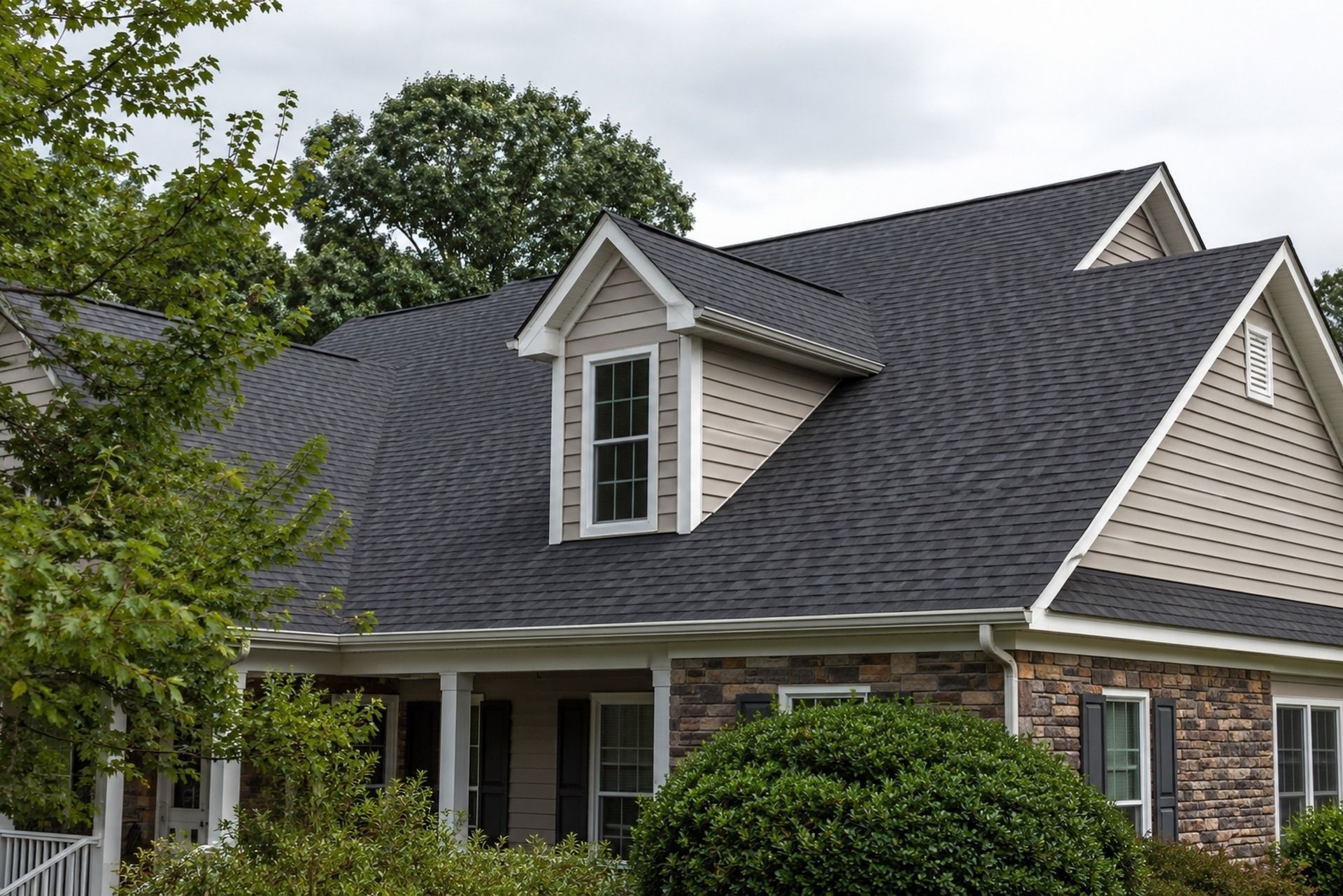

Factors Influencing Roofing Insurance Costs in Virginia
Virginia roofing insurance costs vary dramatically depending on where you live, what your roof is made of, and how old it is. The average Virginia homeowner pays between $1,200 and $2,400 annually for homeowners insurance, but roofing-related factors can push premiums well above or below that range.
Your insurer evaluates your roof as a risk factor during underwriting. A newer roof with impact-resistant materials in a low-risk zip code earns favorable rates. An aging asphalt shingle roof in a hurricane-prone coastal area does the opposite.
Regional Climate Risks and Coastal Considerations
Virginia's geography creates distinct risk zones. The Hampton Roads area, Virginia Beach, and the Eastern Shore face hurricane and tropical storm exposure that inland cities like Roanoke or Charlottesville simply don't. Insurers price this risk accordingly, and some carriers won't write new policies in the highest-risk coastal zones during hurricane season.
Northern Virginia faces its own challenges. Severe thunderstorms, high winds, and occasional tornadoes in the Piedmont region generate thousands of roof claims each year. The catch is that even homeowners in "lower-risk" areas can face premium increases after a single large regional storm event triggers a wave of claims in their county.
Roofing Materials and Impact on Premiums
Your choice of roofing material directly affects your premium. Here's a comparison of common options:
| Material | Typical Lifespan | Premium Impact | Hail Resistance |
|---|---|---|---|
| 3-Tab Asphalt | 15-20 years | Baseline cost | Low |
| Architectural Shingles | 25-30 years | Slight reduction | Moderate |
| Metal Roofing | 40-60 years | 10-20% discount | High |
| Slate/Tile | 75-100+ years | Varies widely | High |
| Impact-Resistant (Class 4) | 30+ years | Up to 28% discount | Very High |
Metal and impact-resistant shingles earn the most consistent discounts from Virginia insurers. Slate looks great but can be expensive to repair, which some carriers factor into their pricing. If you're replacing your roof, ask your insurer about approved materials before you commit to a contractor.s:
Replacement Cost Value vs. Actual Cash Value
This is where many Virginia homeowners get an unpleasant surprise. Your policy's valuation method determines how much you'll actually receive after a covered roof loss, and the difference between the two main methods can amount to tens of thousands of dollars.
Replacement Cost Value (RCV) pays to replace your damaged roof with materials of similar kind and quality at current prices. Actual Cash Value (ACV) pays the replacement cost minus depreciation. If you have a 12-year-old architectural shingle roof with a 30-year rated lifespan, an ACV policy would deduct roughly 40% for depreciation before issuing your check.
Depreciation and Out-of-Pocket Expenses
On a $25,000 roof replacement, the difference between RCV and ACV could easily be $10,000 or more. Most newer Virginia policies default to RCV for roofs under a certain age, often 10 to 15 years. After that threshold, many insurers automatically switch to ACV or apply a depreciation schedule.
Some carriers offer endorsements that maintain RCV coverage on older roofs for an additional premium. This endorsement is often worth the cost, especially if your roof is between 10 and 20 years old. Review your declarations page carefully; the valuation method is listed there, and it's the single most important detail affecting your payout after a storm.
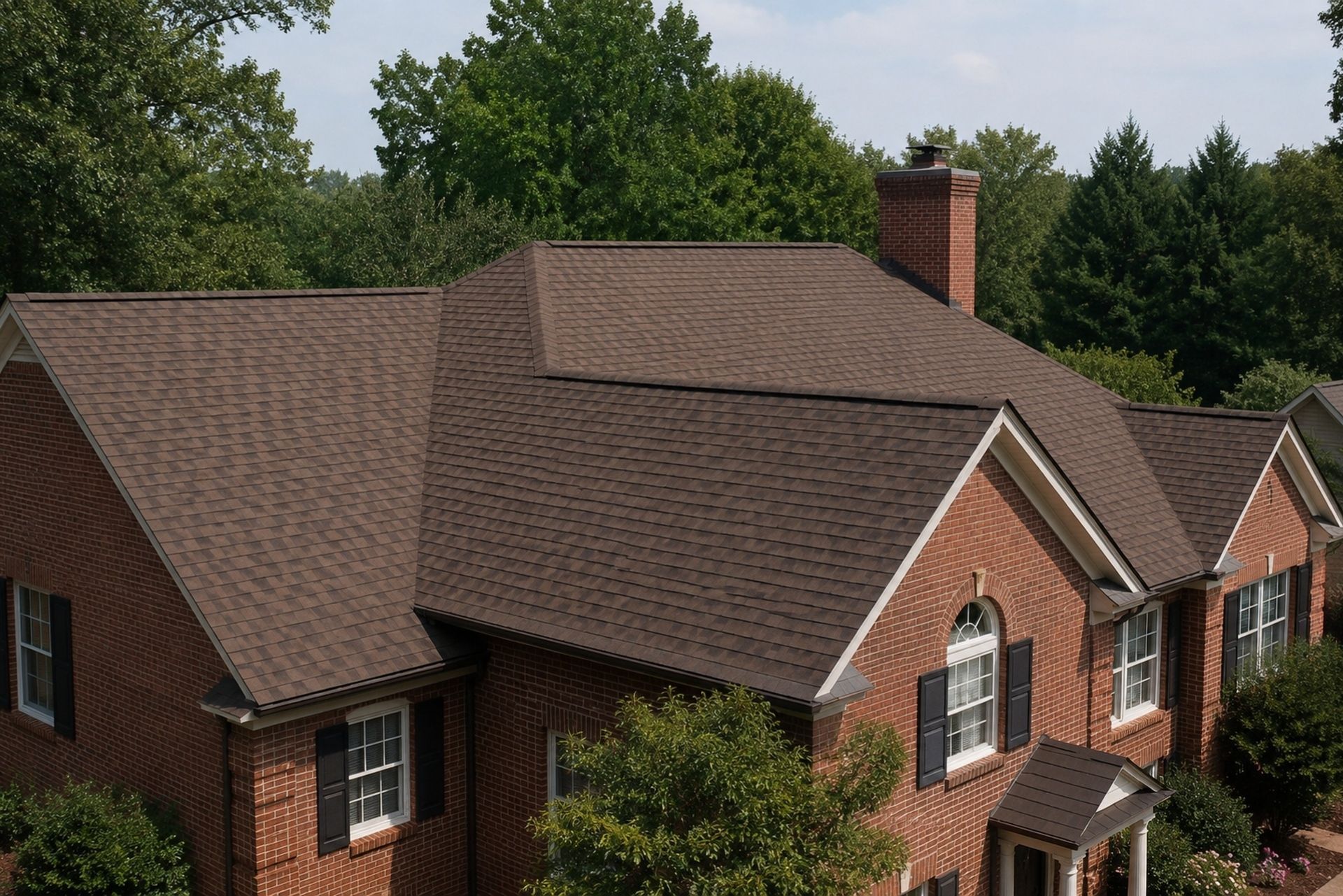
Filing a roof damage claim in Virginia follows a predictable sequence, but missteps at any stage can reduce your payout or result in a denial. Speed matters, but so does documentation.
Documentation and Inspection Requirements
The moment you notice roof damage, take photographs from the ground and, if safe, from a ladder. Document the date, weather conditions, and any interior damage like water stains or ceiling cracks. Contact your insurer within 24 to 48 hours; most Virginia policies require "prompt" notification, and delays can complicate your claim.
Your insurer will send an adjuster, typically within one to two weeks for non-emergency claims. Before the adjuster arrives, don't make permanent repairs. You can and should mitigate further damage by tarping exposed areas, and your policy covers these temporary measures under its "duty to protect" provision. Save every receipt.
Here's a practical checklist for the claims process:
- Photograph all visible damage, interior and exterior
- Note the date and type of weather event
- Contact your insurer and open a claim
- Tarp or cover exposed areas to prevent further damage
- Get at least two independent repair estimates from licensed contractors
- Be present during the adjuster's inspection
- Review the adjuster's report carefully before accepting a settlement
Working with Licensed Virginia Contractors
Virginia requires roofing contractors to hold a Class A, B, or C contractor's license depending on the project value. Any project over $10,000 requires at least a Class B license. Always verify a contractor's license through the Virginia Department of Professional and Occupational Regulation (DPOR) before signing a contract.
Virginia's workers' compensation costs have been trending favorably for contractors, with loss costs decreasing by 12% effective April 2025 due to declining claim frequency and stable medical costs. This reduction can translate into slightly lower overhead for reputable contractors, though it won't dramatically change your repair quote. Be wary of storm chasers, those out-of-state crews that appear after major weather events offering suspiciously low bids. They often lack proper Virginia licensing and insurance, leaving you liable if a worker is injured on your property.
Maximizing Savings and Policy Protection
Smart Virginia homeowners don't just buy a policy and forget about it. Proactive steps can reduce your premiums by 15% to 30% while ensuring you're fully protected when a claim arises.
Fortified Roof Credits and Safety Discounts
The IBHS FORTIFIED Roof designation is gaining traction in Virginia, particularly in coastal areas. Homes with FORTIFIED certification can qualify for significant insurance discounts because the designation confirms your roof meets enhanced wind and water resistance standards. Some Virginia insurers offer 10% to 28% premium reductions for FORTIFIED-certified roofs.
Other discount opportunities include:
- Bundling home and auto policies: typical savings of 10-15%
- Raising your deductible from $1,000 to $2,500: can reduce premiums by 10-20%
- Installing a monitored security system: small but consistent discount
- Maintaining a claims-free history: some carriers offer diminishing deductibles after claim-free years
- Annual roof inspections: documented maintenance can prevent claim denials
Get quotes from at least four to six different carriers using identical coverage levels. Virginia has a competitive insurance market, and pricing varies significantly between companies for the same property. An independent insurance agent who represents multiple carriers can run these comparisons efficiently.
Frequently Asked Questions
Does Virginia homeowners insurance cover roof leaks? It depends on the cause. A leak from storm damage is typically covered. A leak from aging materials, poor maintenance, or gradual wear is not. The distinction between sudden damage and long-term deterioration is what matters most.
How old can my roof be and still get full coverage in Virginia? Most Virginia insurers provide full replacement cost coverage for roofs under 10 to 15 years old. After that, many policies shift to actual cash value, which deducts depreciation. Some carriers offer endorsements to extend RCV coverage on older roofs.
Will filing a roof claim raise my Virginia insurance premiums? Often, yes. A single claim can increase your premium by 10% to 25% at renewal, and the surcharge typically lasts three to five years. If the damage is minor and close to your deductible amount, it may be more cost-effective to pay out of pocket.
Do I need separate windstorm insurance in Virginia? Standard Virginia homeowners policies include wind coverage. However, some coastal-area policies carry a separate wind or hurricane deductible that's a percentage of your dwelling coverage (often 2% to 5%) rather than a flat dollar amount. Check your declarations page.
Can I choose my own roofing contractor after a claim? Yes. Virginia law allows you to select any licensed contractor. Your insurer may recommend preferred vendors, but you're never required to use them.
Your Path Forward
Virginia's insurance landscape for roofing coverage and costs rewards homeowners who stay informed and proactive. The core principles are straightforward: know your valuation method, understand your deductibles, document everything, and work only with licensed Virginia contractors.
If your roof is approaching the 10 to 15 year mark, review your policy now, not after a storm. Confirm whether you have replacement cost or actual cash value coverage, and ask about endorsements that can close gaps. Consider upgrading to impact-resistant materials or pursuing FORTIFIED certification during your next roof replacement.
Gather quotes from multiple carriers annually, and don't assume your current insurer is still offering the best rate. Virginia's market shifts regularly, and a 20-minute conversation with an independent agent could save you hundreds each year while ensuring your most important asset stays fully protected.
About The Author:
Evan Marcotte
As an Auto Insurance Specialist at 5-Star Insurance, I’m passionate about helping drivers get the protection they need with speed, clarity, and confidence. My goal is to make every policy simple to understand and every client fully supported — from quote to claim.
Menu Pop-Up
Real Reviews from Florida Drivers
At 5-Star Insurance, we help drivers across Florida get insured quickly and affordably even in challenging situations. Whether it’s handling SR-22 and FR-44 filings or finding the most budget-friendly policy, our clients count on us to make the process fast, simple, and stress-free. Here’s what some of them have shared

Coverage Tailored to Your Needs
We specialize in essential auto insurance products for Florida drivers:
Auto Insurance
Standard auto coverage for Florida drivers, including liability, comprehensive, and collision options.
Commercial Auto Insurance
Protection for vehicles used for business and commercial purposes.
Liability-Only Auto Insurance
Basic, affordable coverage meeting Florida’s minimum requirements.
SR-22 Insurance
Required filing for drivers needing to reinstate their license after violations.
Motorcycle Insurance
Affordable insurance for motorcycles, scooters, and similar vehicles.
Clear Answers to Your Auto Insurance Questions
At 5-Star Insurance, we make sure every driver understands their options. Whether you are dealing with a suspension, DUI, or just need affordable coverage, we are here to help you get back on the road with confidence.
Stay Informed with Our Latest Articles
Gain insights to make smarter decisions about your insurance coverage:
Check out Our Latest Videos
Quick clips to keep you up to date on SR22 and FR44 insights and news
Contact Us
